Claude Is My Real Estate Marketing Assistant
How I use Claude, the AI assistant, to write, design, and update real estate agent websites and marketing pages, without hiring a developer or...
How I use Claude, the AI assistant, to write, design, and update real estate agent websites and marketing pages, without hiring a developer or...
Most real estate email drip campaigns either do not exist or ask for a call every three days. Here is what a drip sequence...
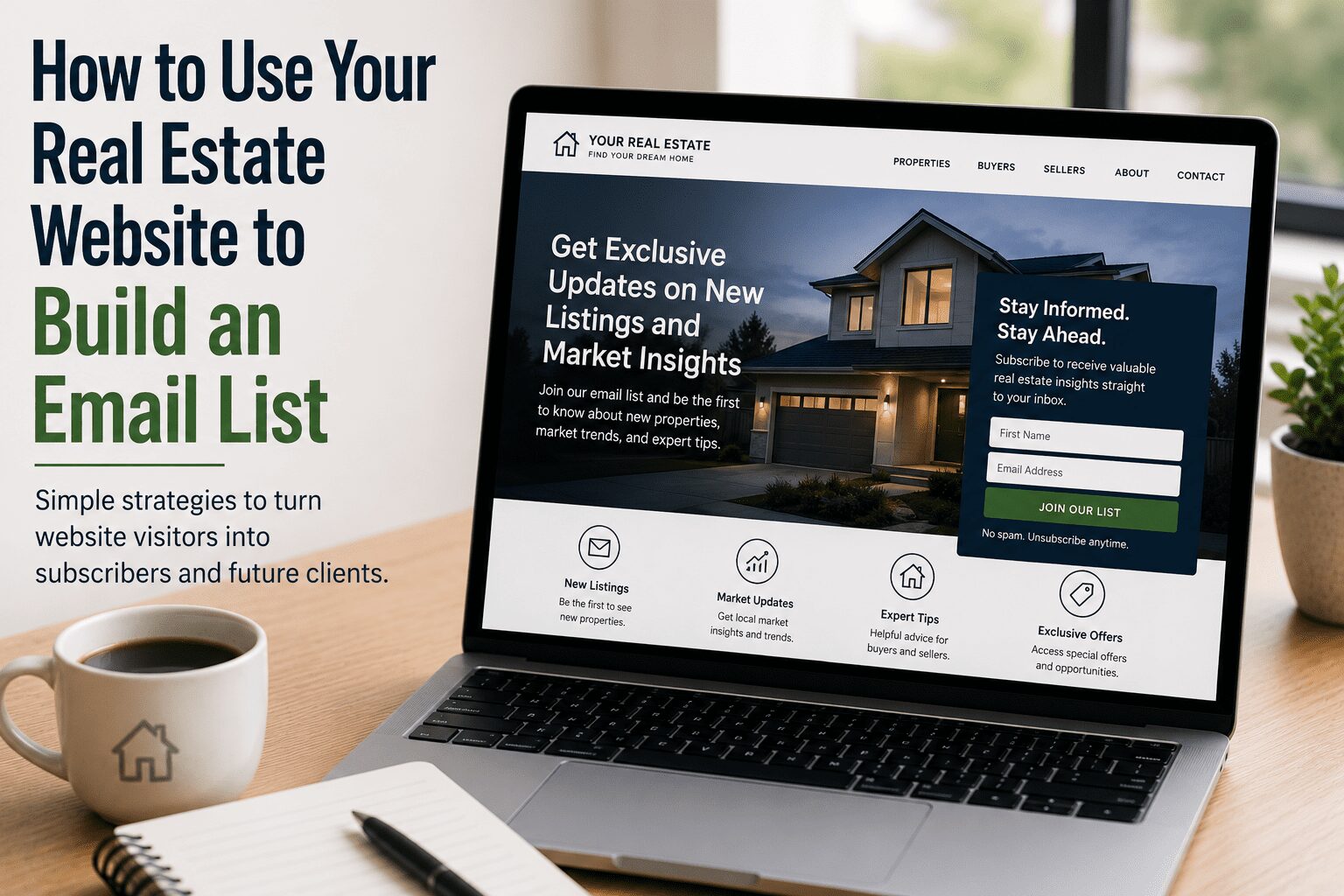
Social media followers belong to the platform. Email subscribers belong to you. Here is how to turn your real estate website into a consistent...
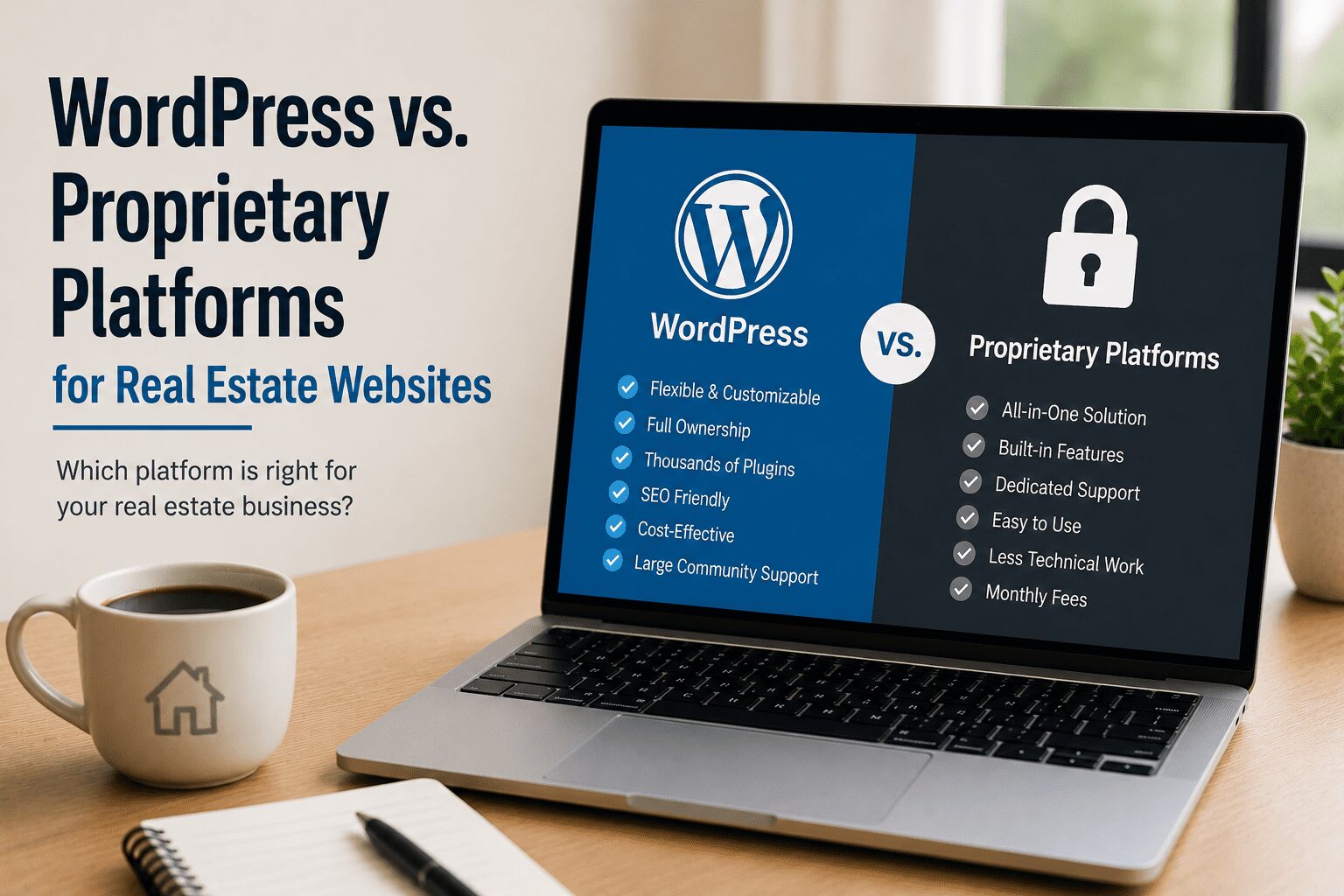
The platform your real estate website runs on affects ownership, SEO, and portability for years. Here is how WordPress and proprietary platforms actually compare.
How long until your real estate website generates leads? The honest answer depends on your traffic source, setup quality, and market. Here is a...
Most agent websites are built for buyers and ignore sellers entirely. Here is how to set up your real estate website to capture seller...
Getting traffic to your real estate website is only half the problem. Here is why most agent sites fail to convert visitors into leads...
Choosing the right IDX provider affects your lead generation and SEO for years. Here's what to actually evaluate before you commit to a platform.
Showcase pages are the most underused feature in IDX Broker. Here's what they are, why they matter for real estate SEO, and how to...
IDX Broker is the property search and lead generation platform I've used and recommended for years. Here's exactly what it is and what it...
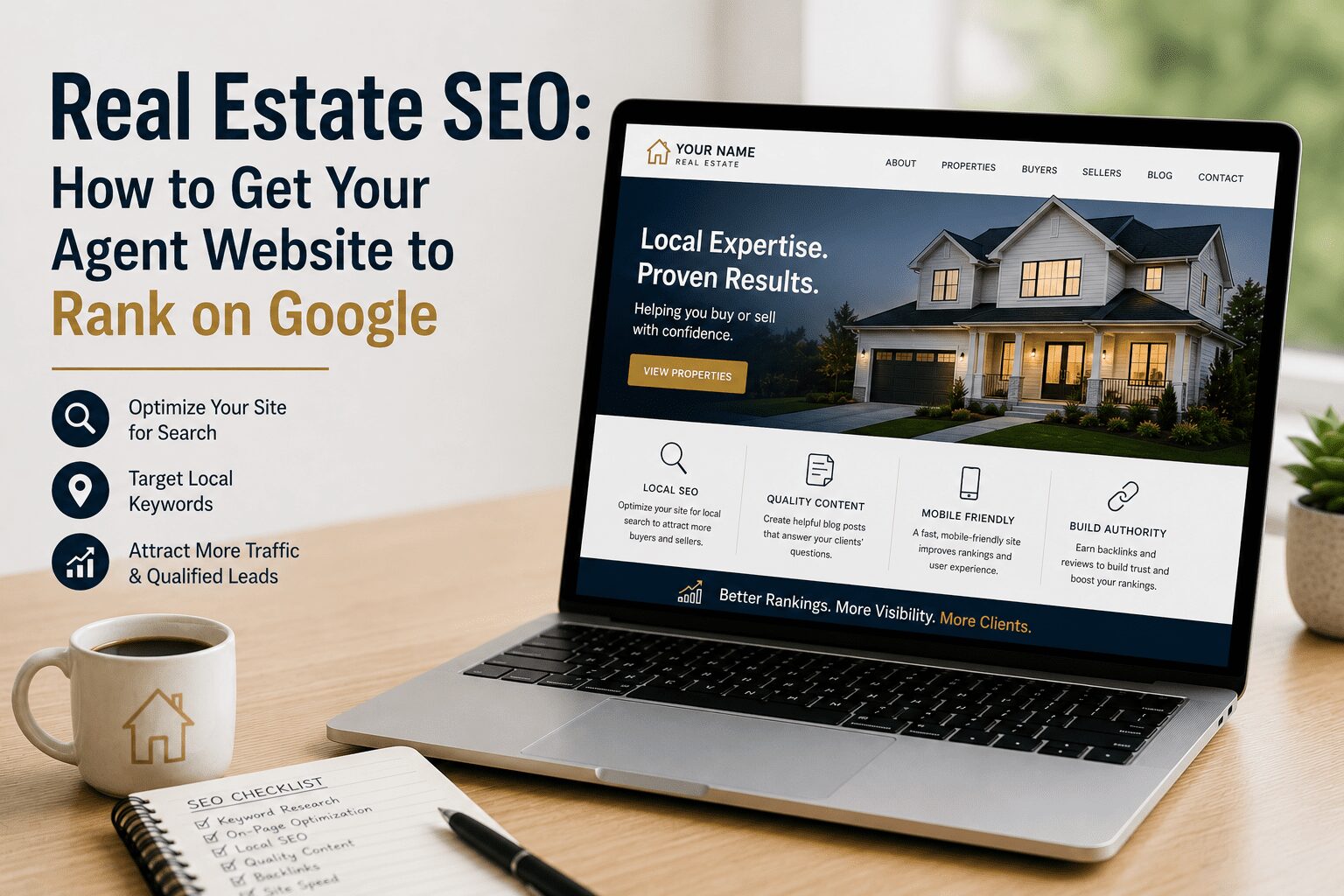
Real estate SEO is local, competitive, and more achievable than most agents think. Here's what actually moves the needle on your agent website rankings.
Your brokerage website looks professional. But it doesn't belong to you. Here's why every real estate agent needs their own website and what's at...
You don't have to keep renting leads from the portals. Here's how to build a real estate website that generates its own leads through...
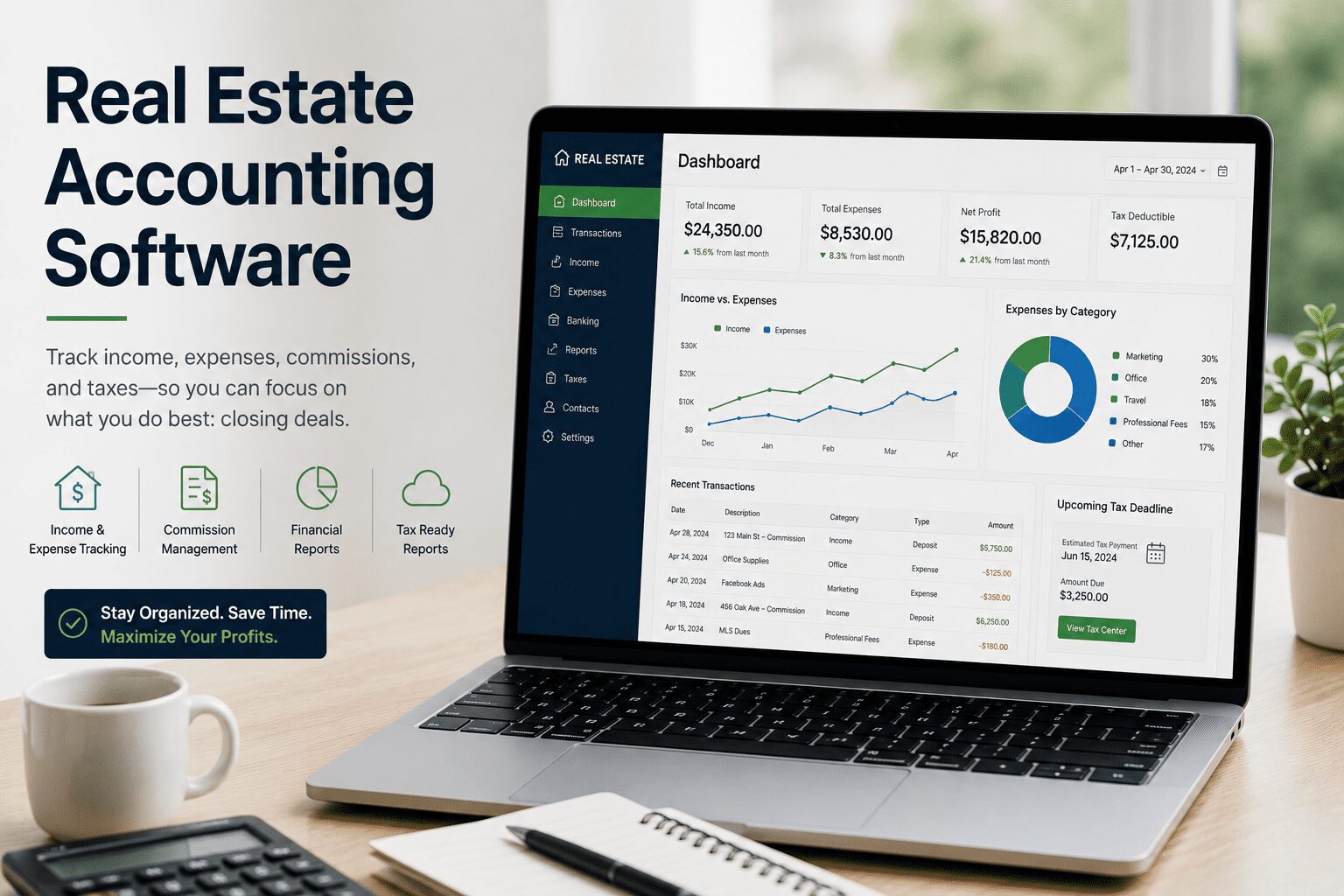
Real estate agent accounting is simpler than most agents make it. Here is what you actually need to track and which tools fit a...
Getting your real estate website right from the start saves you from expensive rebuilds later. Here is what new agents should prioritize and what...
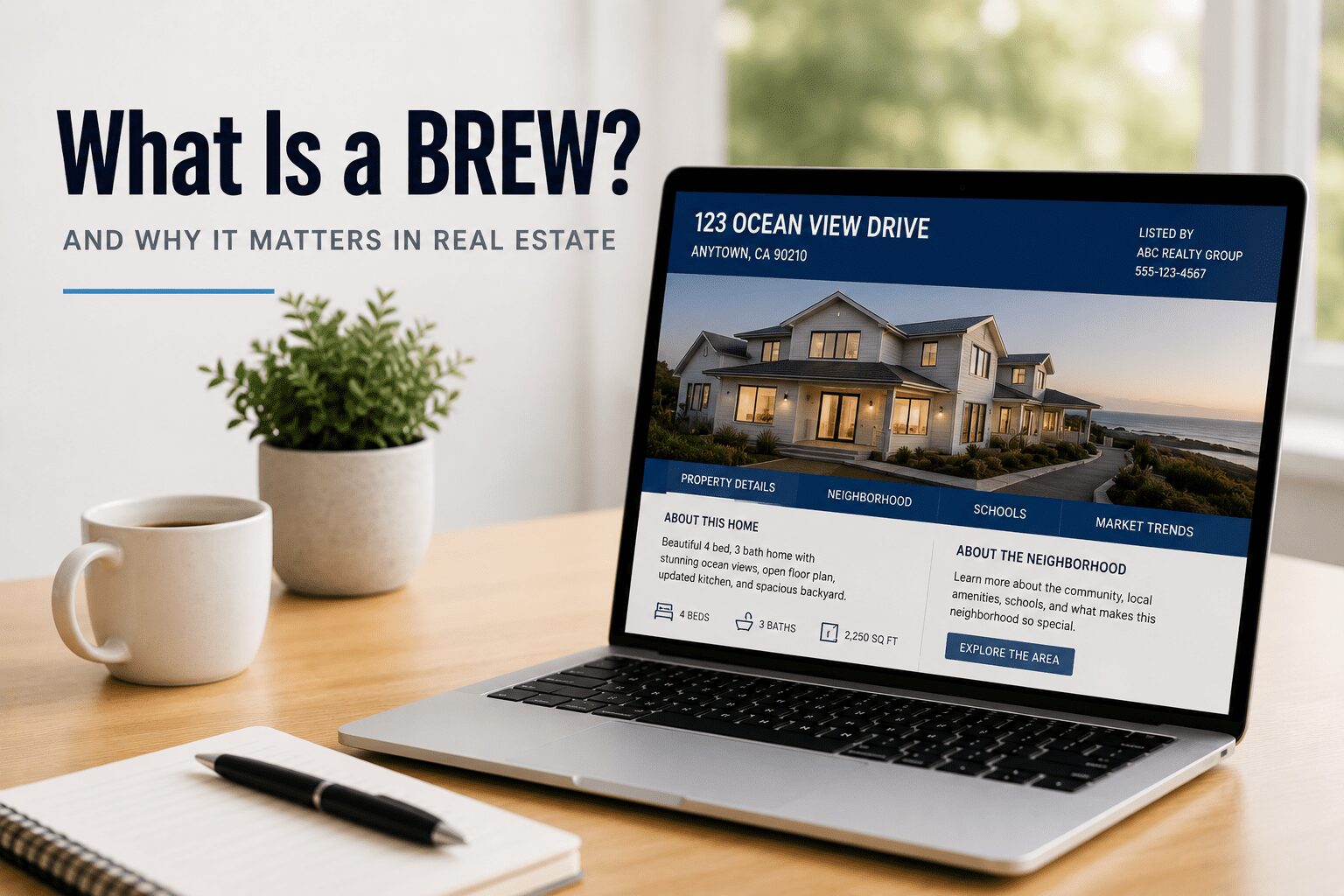
BREW stands for Ballen Real Estate Website. Here is what it is, what it includes, and why it was built by agents for agents.
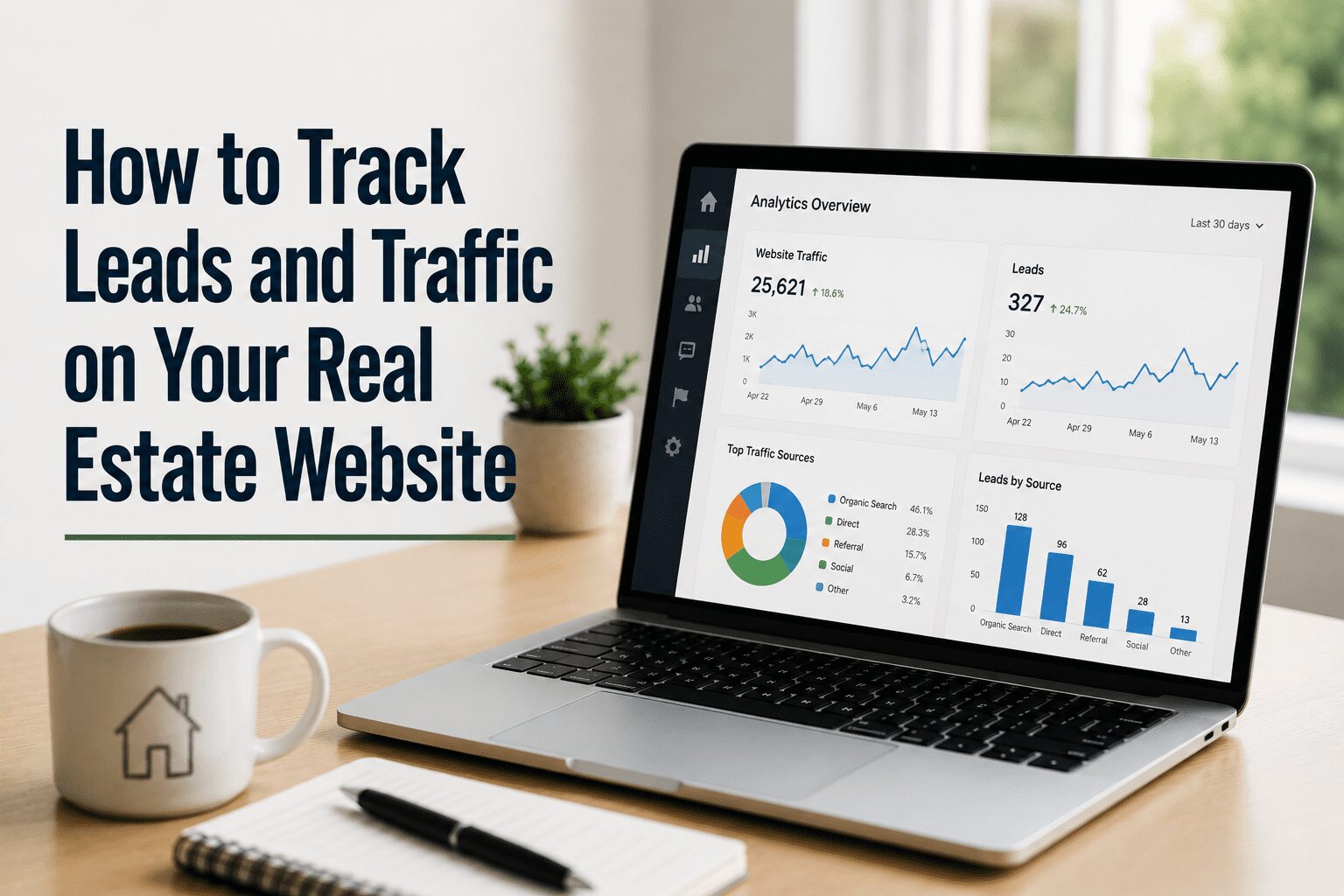
You cannot improve what you are not measuring. Here is how to track leads, traffic, and SEO performance on your real estate website.
The short answer is yes. The longer answer is that the blogging that works for real estate looks different from what most agents try....
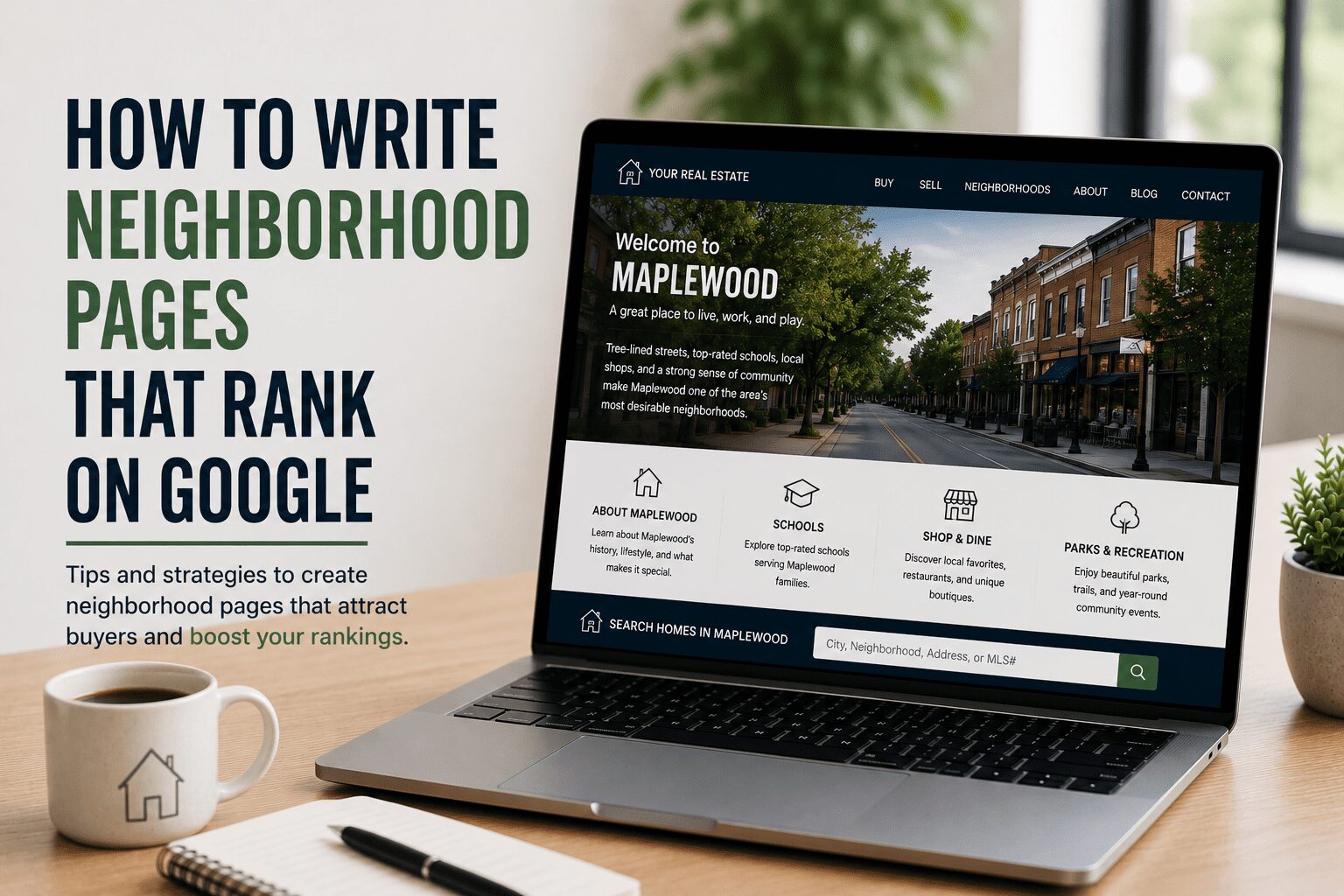
Neighborhood pages are among the highest-value content assets on a real estate website. Here is how to write them in a way that actually...
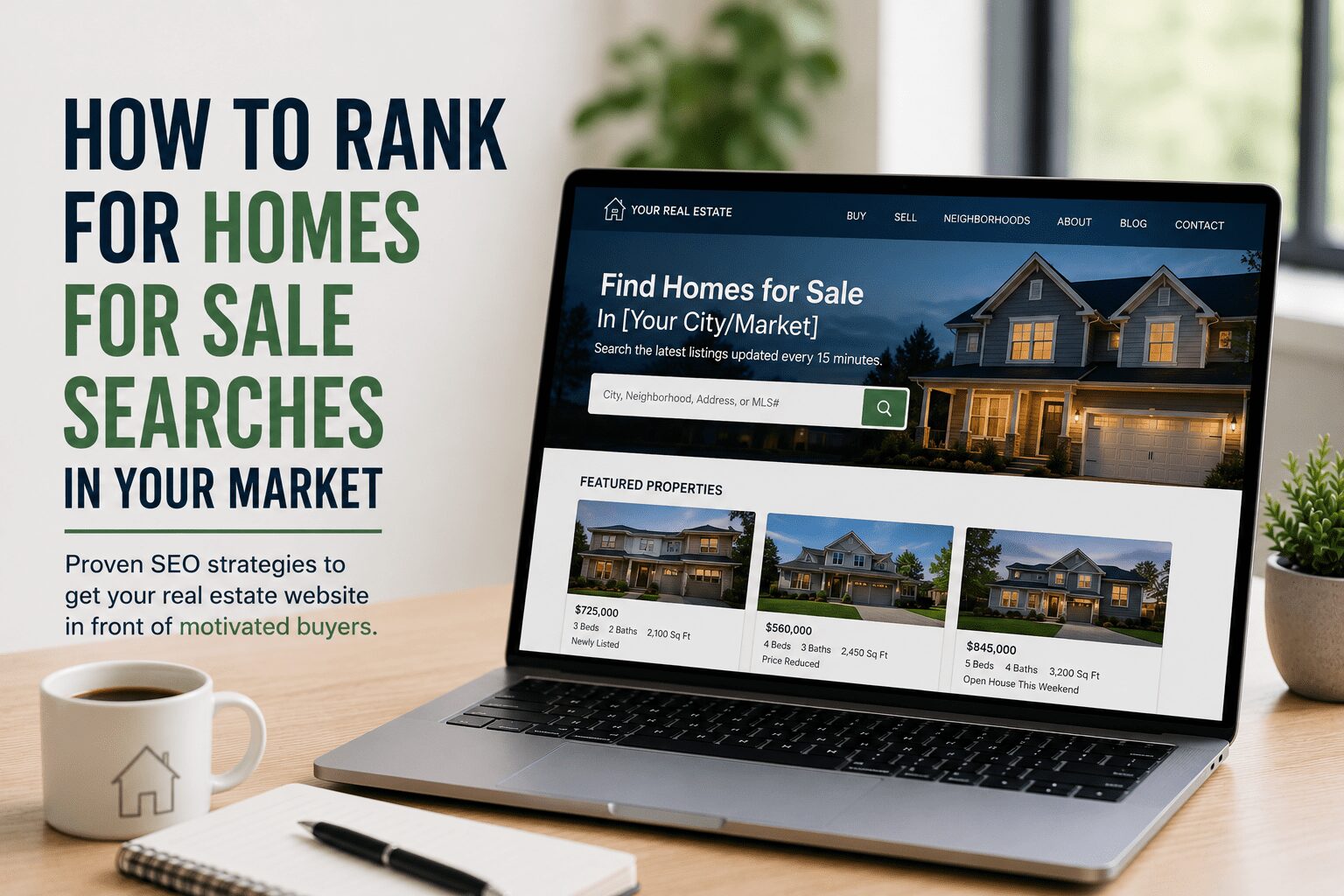
Ranking for local property searches is achievable for agents who start at the neighborhood level. Here is the strategy that actually works.
Solo agent sites and team sites have different structures, different lead routing needs, and different content requirements. Here is what changes and what stays...
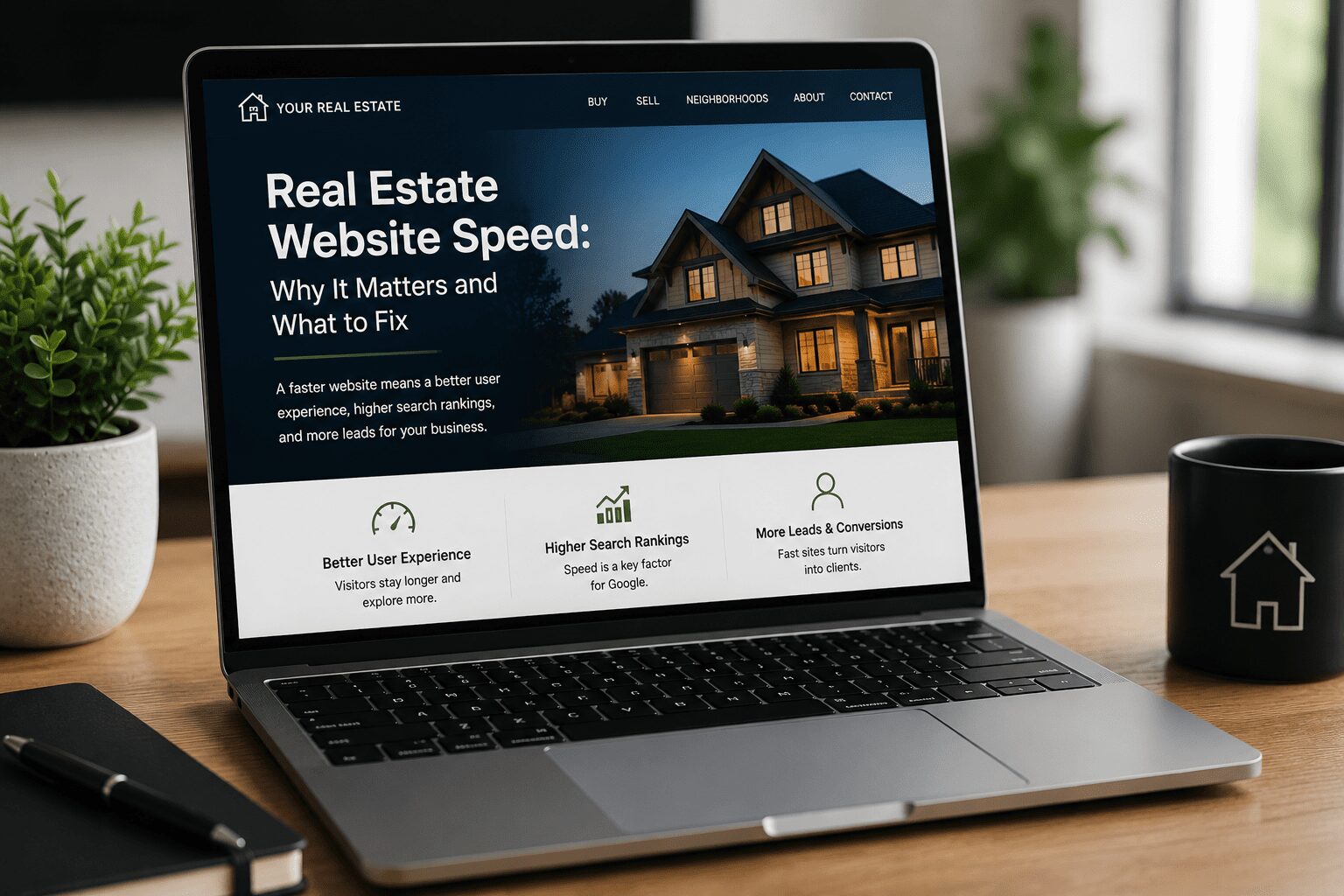
A slow real estate website costs you leads, hurts your search rankings, and drives buyers to competitors before they ever see your listings. Here...
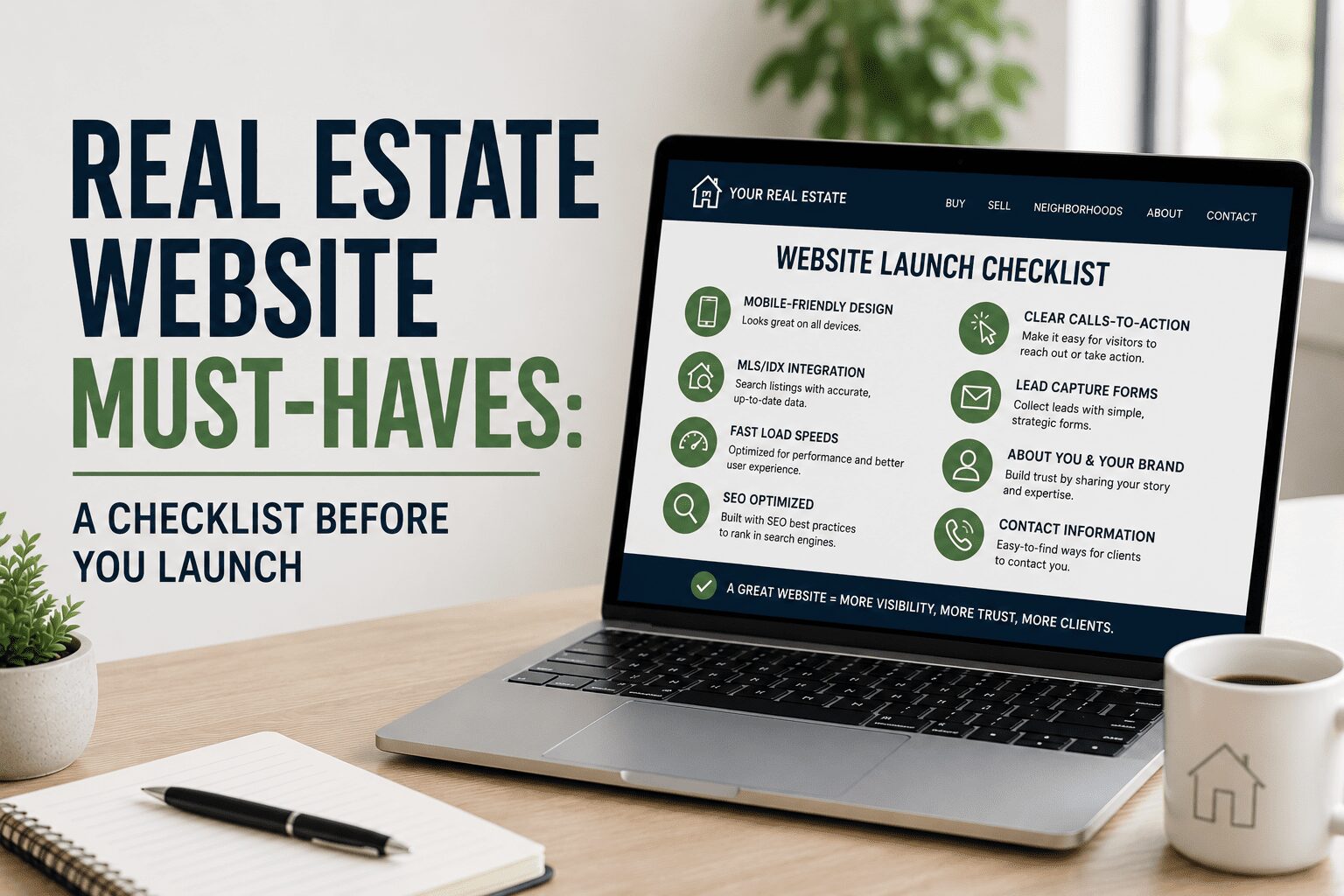
Before you launch or evaluate your real estate website, run through this checklist. These are the components that separate a site that generates leads...
You cannot outrank Zillow on broad searches. But there are specific places where local agents have a real advantage online. Here is where to...
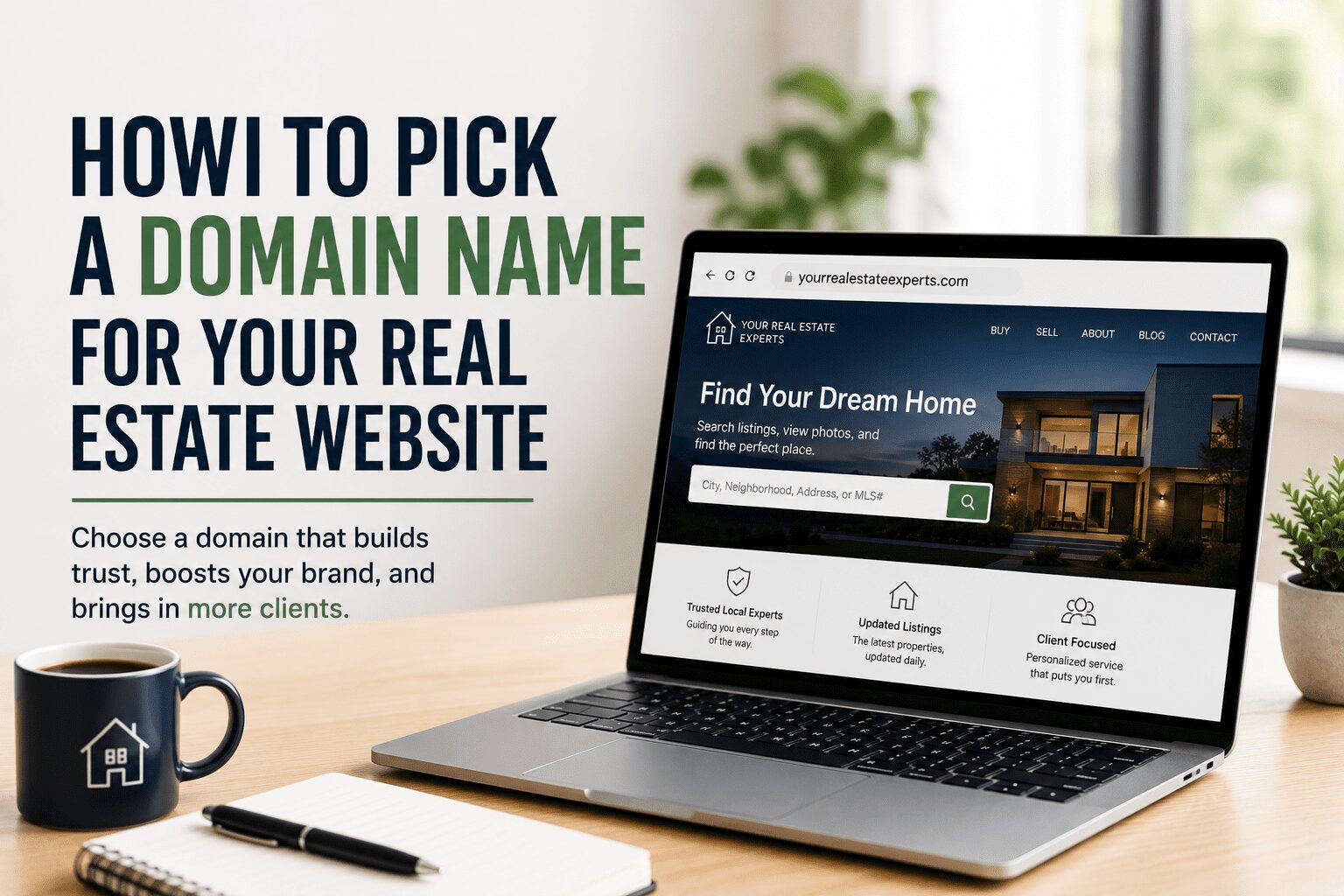
Your domain is the one thing that is genuinely hard to change later. Here is how to pick the right one for a real...
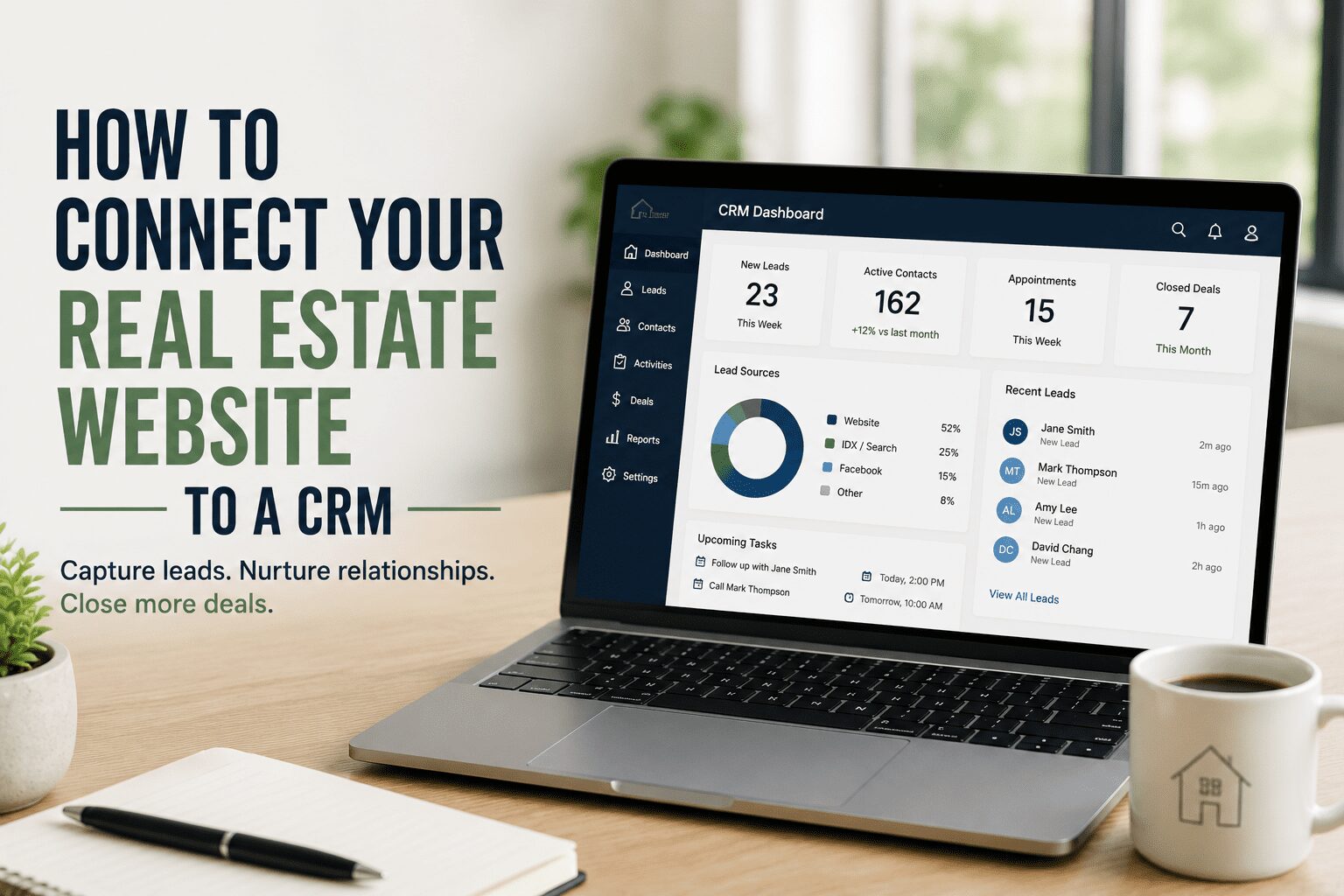
The connection between your real estate website and your CRM determines whether leads turn into conversations or disappear. Here is how to set it...
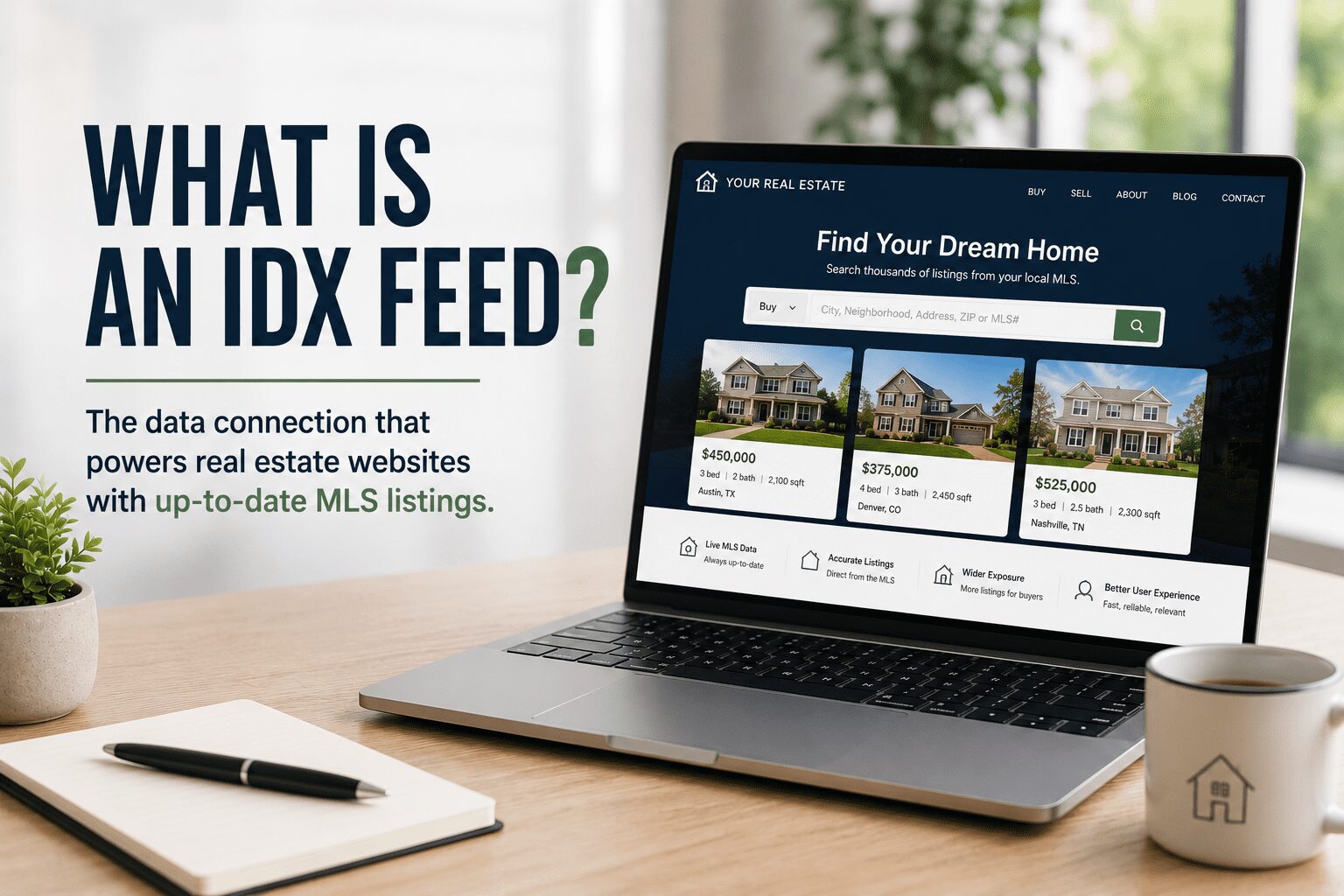
Your IDX search shows live listings because of a data feed running behind the scenes. Here is how that feed works and why the...
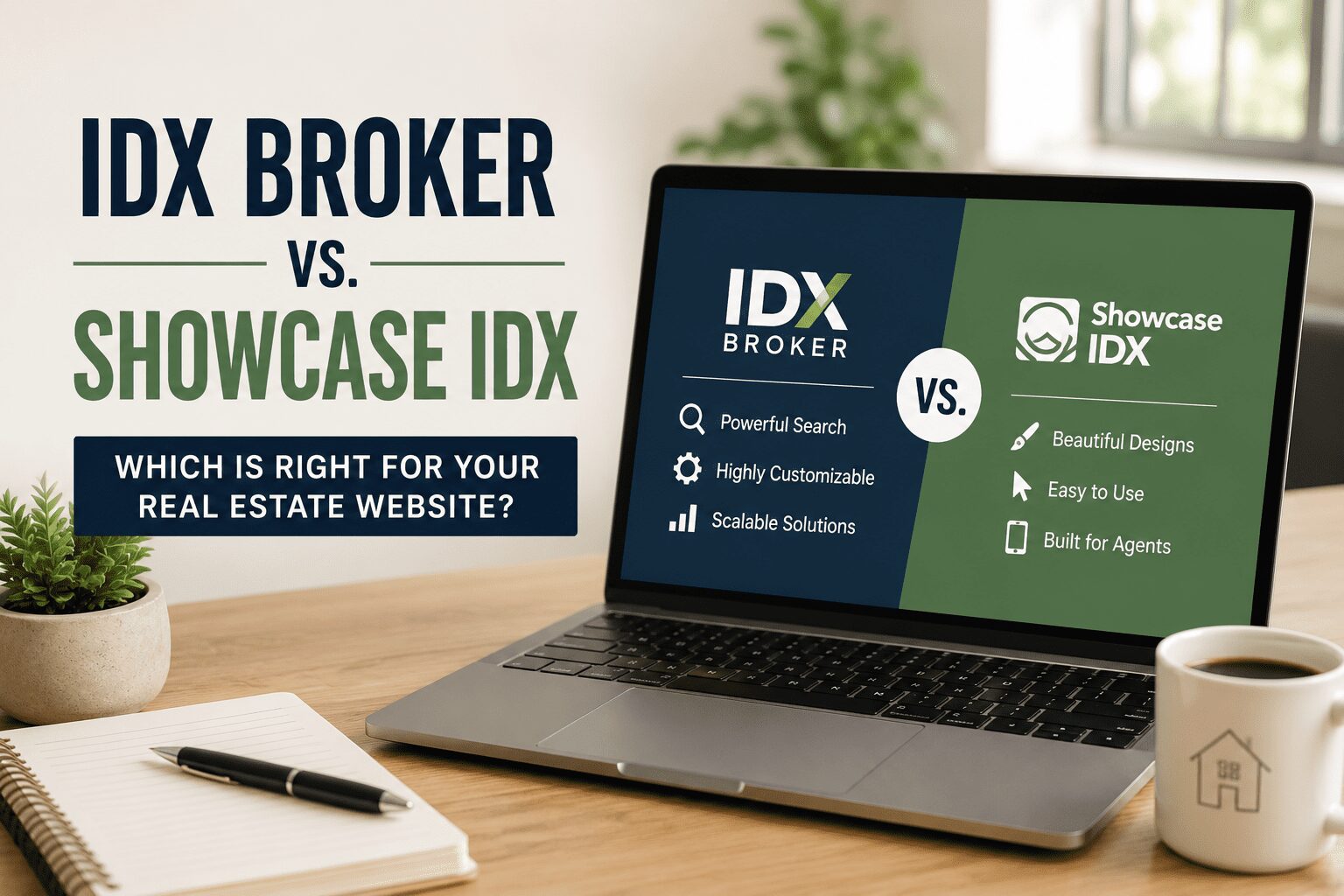
IDX Broker and Showcase IDX are the two most common choices for WordPress real estate websites. Here is how they actually compare.
What happens to your website leads when you switch brokerages depends on one thing: who owns the platform. Here is what agents need to...
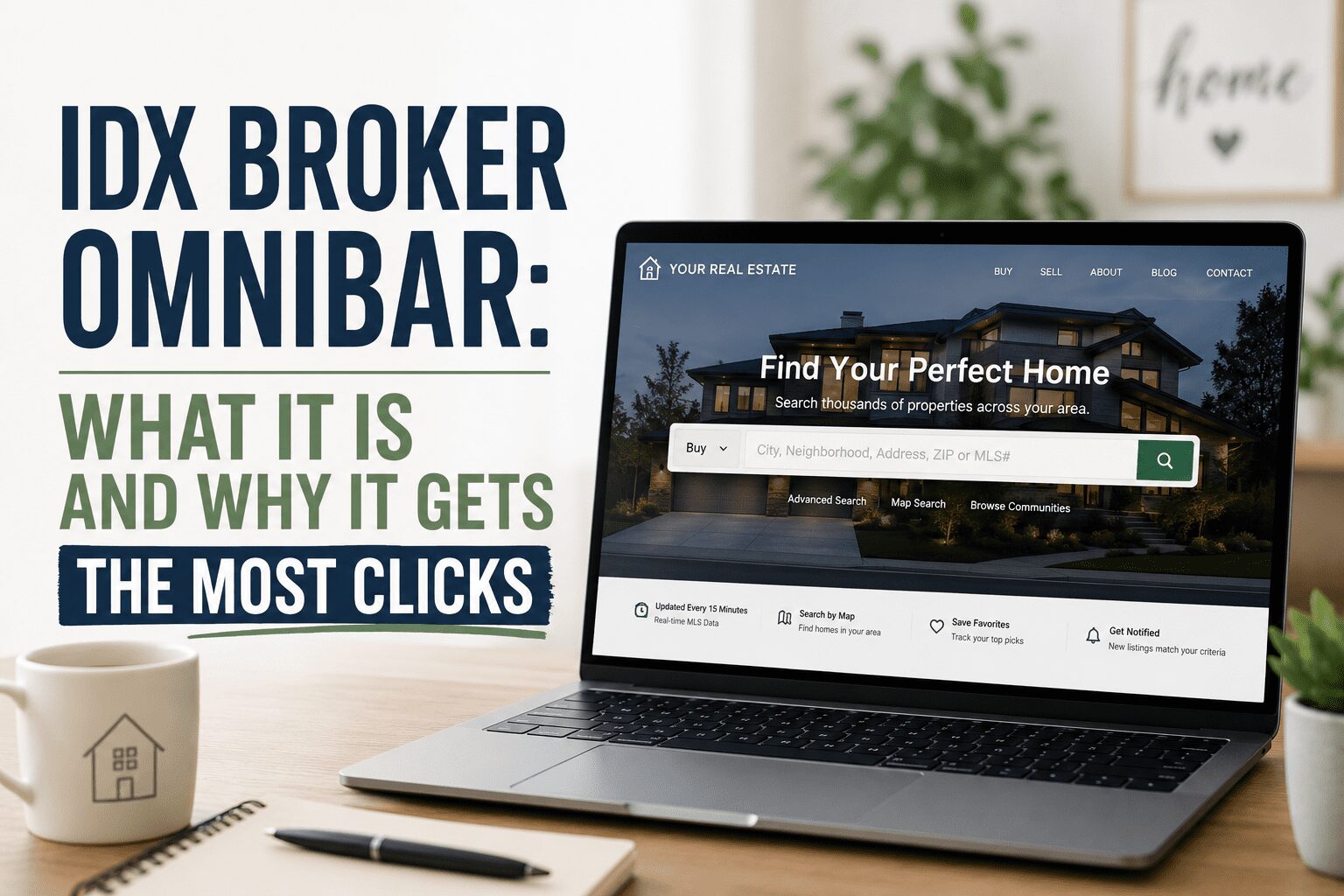
The IDX Broker Omnibar is the search feature that gets the most clicks on real estate websites. Here is what it is and why...
IDX leads registered voluntarily. Here is how to follow up in a way that converts without driving them to a competitor with heavy-handed outreach.
In the next few minutes, I’m going to show you the simple framework that turned my real estate agent website from a ghost town...
IDX turns your real estate website from a digital brochure into a lead generation machine. Here's what it is, how it works, and how...
Real estate website pricing ranges from $59 to $1,000 a month. Here's what you actually get at each level and the hidden costs most...
Most real estate agents have paid for a website that did nothing. You picked a template, uploaded a headshot, and waited for leads that...
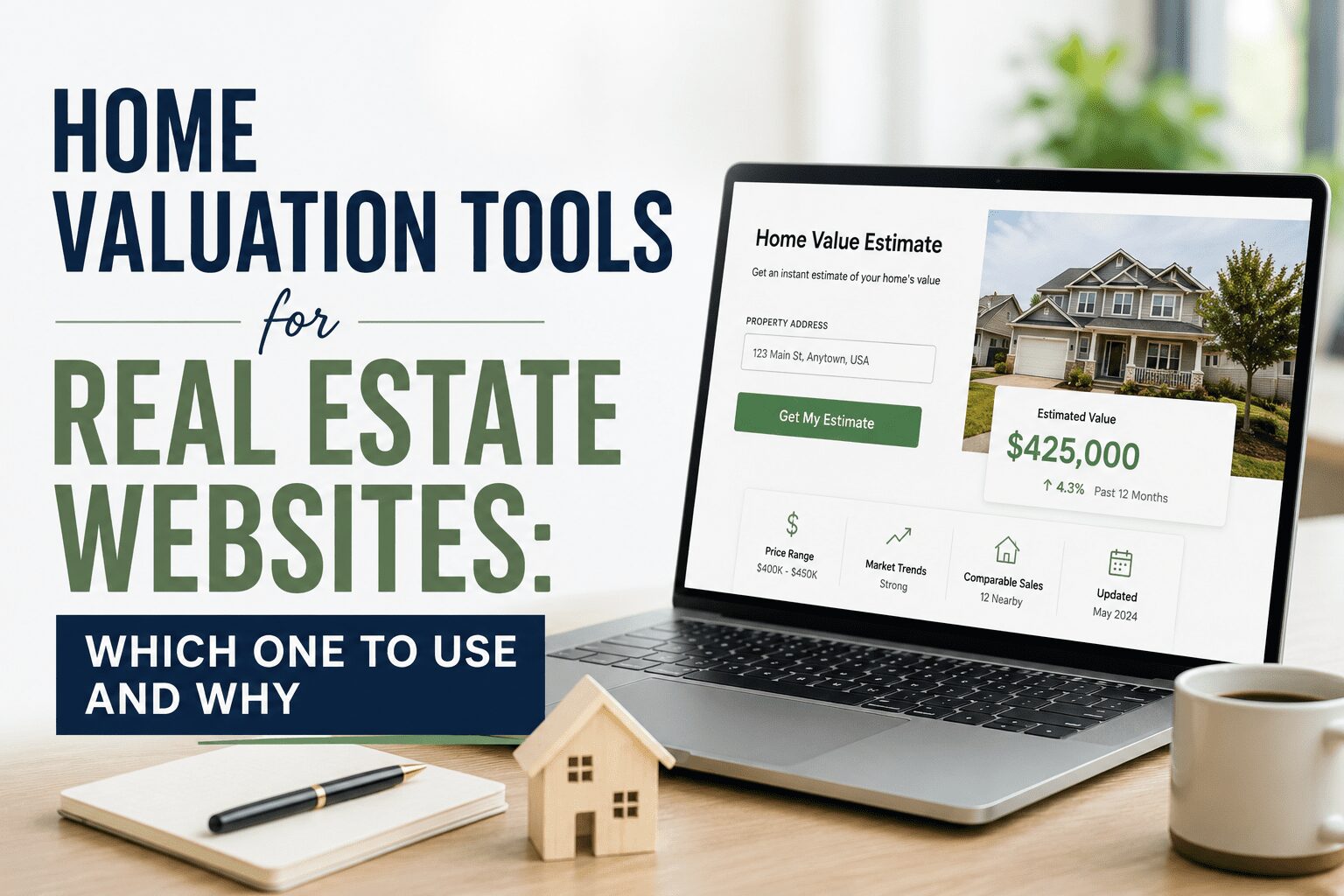
A home valuation tool on your real estate website turns seller curiosity into leads. Here is how the main options compare and which one...
That free website your broker gave you comes with a condition nobody puts in writing but everyone eventually learns the hard way: the moment...
If you're a real estate agent, you already know that most buyers start their home search online. Not with you. Not with a referral....