The tactical playbook for Substack Notes
Cadence, hooks, where the link should go, and how to schedule a week in one sitting. Including which of the popular Notes rules are actually documented and which ones are folklore that got repeated until it sounded official. New to Substack? Start with my plain-English guide to how Substack works.
If you only take four things from this
Notes reach strangers, posts reach subscribers
That is the whole reason to bother. A post goes to people who already said yes. A Note can land in front of somebody who has never heard your name.
Cadence beats brilliance
Substack’s own published finding is about frequency, not quality. Writers who posted three or more notes in their launch week gained 50% more subscribers than those who did not.
Link-heavy notes travel worse
One study of 3,230 notes found the creators who mostly posted plain text earned the most engagement. Substack has never said links are penalized, but the pattern is there.
The comments are the actual room
Notes get you seen. Replies get you read. Almost every writer who grew from zero on Notes describes the same thing: the conversation did the work.
Which Notes rules are real
Most of the advice about Notes traces back to one creator’s experiment or to nothing at all. Here is what each popular claim is actually standing on.
| The claim | Status | What is behind it |
|---|---|---|
| Three or more notes in your launch week gives 50% more subscribers | Documented | Substack’s own publication, July 2024. This is the only frequency figure Substack has ever published. |
| Three to five notes a day is optimal | Anecdotal | One creator’s self-reported volume test. No platform data supports a specific daily number. |
| About 30 notes a day triggers a shadowban | No source at all | Not in Substack’s docs, support articles, terms or content guidelines. No creator has publicly tested it. Treat it as a rumor. |
| Substack’s feed suppresses notes containing links | Unverified mechanism | Substack has never said it, and links were absent from the ranking factors described publicly by the engineer who built the model. |
| Link-attached notes get less engagement | One real study | 3,230 notes across nine creators, March 2026. Measures likes rather than reach, single niche, correlational. |
| A 3% click-through rate on notes is good | Unknowable | No benchmark exists. Substack has not published one and no credible third-party study does either. |
Six parts, in the order they matter
Cadence, and the honest version of the numbers
You will read everywhere that three to five Notes a day is optimal and that thirty a day gets you shadowbanned. I went looking for the source on both. Here is what actually exists.
Documented, from Substack: writers who post three or more thoughtful notes during their launch week gain 50% more total subscribers than those who do not. That is a real published figure from July 2024. Note that it is three notes in a week, not three a day. That single sentence is almost certainly where the three-to-five-daily rule came from.
Not documented anywhere: the shadowban threshold. Substack’s support pages state no posting frequency guidance, no rate limit and no character limit. Their content guidelines prohibit spam in comments and threads and prohibit importing lists without consent, and say nothing about posting volume. I could not find a single creator who has publicly tested at thirty a day. So treat the number as folklore, because that is what it is.
The one real experiment I could find: a writer who ran his own volume test reported roughly 150 to 400 new subscribers a month at one note a day, 400 to 600 at three to five, and a plateau around 600 at ten a day. He attributed the plateau to reader fatigue and said he saw no evidence of throttling. One person, one publication. Useful, not proof.
What I would actually do. Two to four a day, most days, because that is enough to stay in the feed without turning your profile into a firehose. If your numbers stop improving as you add more, that is your ceiling and it has nothing to do with a hidden penalty.
Writing a Note that a stranger stops for
A Note is not a teaser for your post. It is a complete thought that happens to be short. The ones that travel work as writing on their own, and would be worth reading even if there were nothing else to click.
Say the whole idea. The instinct is to hold something back so people have to click. That instinct is wrong on a feed. Withholding reads as marketing, and people scroll past marketing.
Lead with the specific, not the category. “I learned something about pricing” is invisible. “I raised my price by $200 and got more clients, not fewer” is a note somebody stops for.
Make it easy to disagree with. Notes that state a position get replies. Notes that state a truism get likes at best. Replies are worth more, because a reply puts you in front of that person’s followers.
Short lines, real breaks. The feed is read on a phone. A dense block is a scroll.
The curiosity hook and the link in the reply
Here is the tactic, and then here is the honest accounting of why it might work.
The tactic. Post the interesting thought with no link. Let people reply and ask where to read more. Then drop the link in a comment reply rather than in the note itself.
The reasoning people give is that Substack suppresses notes containing external links. Substack has never said that. The engineer who built the Notes ranking model has described the inputs publicly, and they are things like location, language, what you subscribe to and follow, your interests, audience overlap between publications, how often the creator posts, and how people engage. Links did not appear on that list in either direction. Substack’s own Notes documentation actively encourages links and shows you the rich preview.
What there is evidence for. A March 2026 analysis of 3,230 notes across nine creators found that notes with a link attached consistently earned less engagement, and that the creators who posted mostly plain text averaged the highest likes per note in the group. That is a real study with a stated method. It measures likes rather than reach, it is one niche, and correlation is not mechanism.
My read. The tactic is worth using, but the reason is probably simpler than an algorithm penalty. A note built around a link is usually a worse note. It reads like an ad because it is one. Take the link out and you are forced to write something that stands up alone, and that is the thing that actually travels.
The other half nobody mentions: a reply is a second impression. The person came back to your note, and now they are getting the link from a human answering a question rather than from a banner. That converts better for reasons that have nothing to do with ranking.
What the click-through actually looks like
Substack’s Notes analytics do show you the real numbers. You get impressions, which is how many times the note was displayed on screen. You get a breakdown of who saw it, split between people who do not follow you, people who follow you, and people who subscribe. And you get interactions including likes, restacks, shares, profile visits and link clicks.
A number from one of my own notes: roughly 1,700 impressions produced 57 link clicks. That is a little over 3%.
I have no idea whether that is good. And neither does anybody quoting you a benchmark, because Substack has never published one and I could not find a credible third-party study of Notes click-through rates. Anyone telling you what a normal Notes CTR is has made it up.
What to do instead of chasing a benchmark. Track your own. Your third month against your first month is the only comparison that means anything, and it is a comparison you can actually act on.
Recurring formats, and scheduling them in one sitting
The thing that makes a daily cadence survivable is not discipline. It is having formats you do not have to invent from scratch each morning.
A recurring prompt. Something like a standing question your readers answer, posted the same day each week. People start expecting it, and the replies are the point.
A standing observation slot. One thing you noticed this week in your subject area. No conclusion required.
The receipts note. A number from your own work with the story behind it. These consistently do the best for me, because a specific number is the one thing nobody can generate generically.
An evergreen rotation. Your best notes from six months ago will outperform whatever you would write tired on a Thursday. Almost nobody saw them the first time.
Now the scheduling, and an important 2026 update. Substack shipped native Notes scheduling in March 2026. On mobile you open the composer, tap the three dots and choose Schedule. On the web there is a calendar icon. They extended scheduling to Chat threads and added saved Notes in July 2026. So you do not need to buy anything to schedule notes anymore, and any article telling you otherwise is out of date.
Paid tools still exist and some are genuinely useful, but be clear about what you are buying. AutoStackNotes runs from $17 a month on annual billing, and what it adds over the native scheduler is a recurring weekly queue that refills itself, evergreen recycling and A/B testing. If you want those, it is worth a look. If you just want to line up a week of notes on Sunday, Substack now does that for free.
Come for the Notes, stay for the posts
Notes are the top of the funnel and they are not the product. The mistake people make once Notes start working is letting the long-form slide, and then wondering why the subscriber count climbs while nothing else does.
One or two real posts a week is the anchor. That is what somebody sticks around for after a note got their attention. Notes without posts builds a following. Notes plus posts builds a publication.
The three-touch pattern. Somebody sees a note. Later they see another one and recognize the name. Then they check the profile and subscribe. It is almost never one note, which is exactly why cadence matters more than any individual note being great.
And once people are subscribing, the next question is what happens to them. That is a different subject and I have written it up separately: why Substack is not a blog, it is a conversion engine.
Watch the whole system get built
Notes are one piece. This is the complete recorded masterclass covering the setup, the publishing rhythm, the paid turn, and how the parts feed each other.
- The full setup walkthrough, nothing skipped
- What to write and in what order
- How the free-to-paid turn actually happens
- Lifetime access to the recording
The written versions
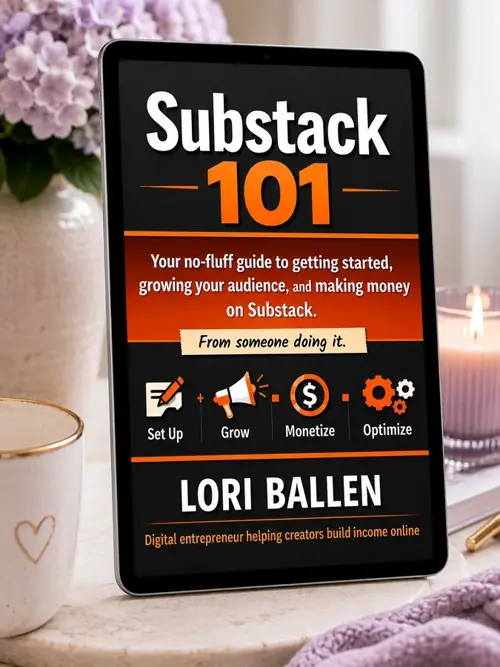
Substack 101
A no fluff guide to building and growing a paid newsletter, start to finish.
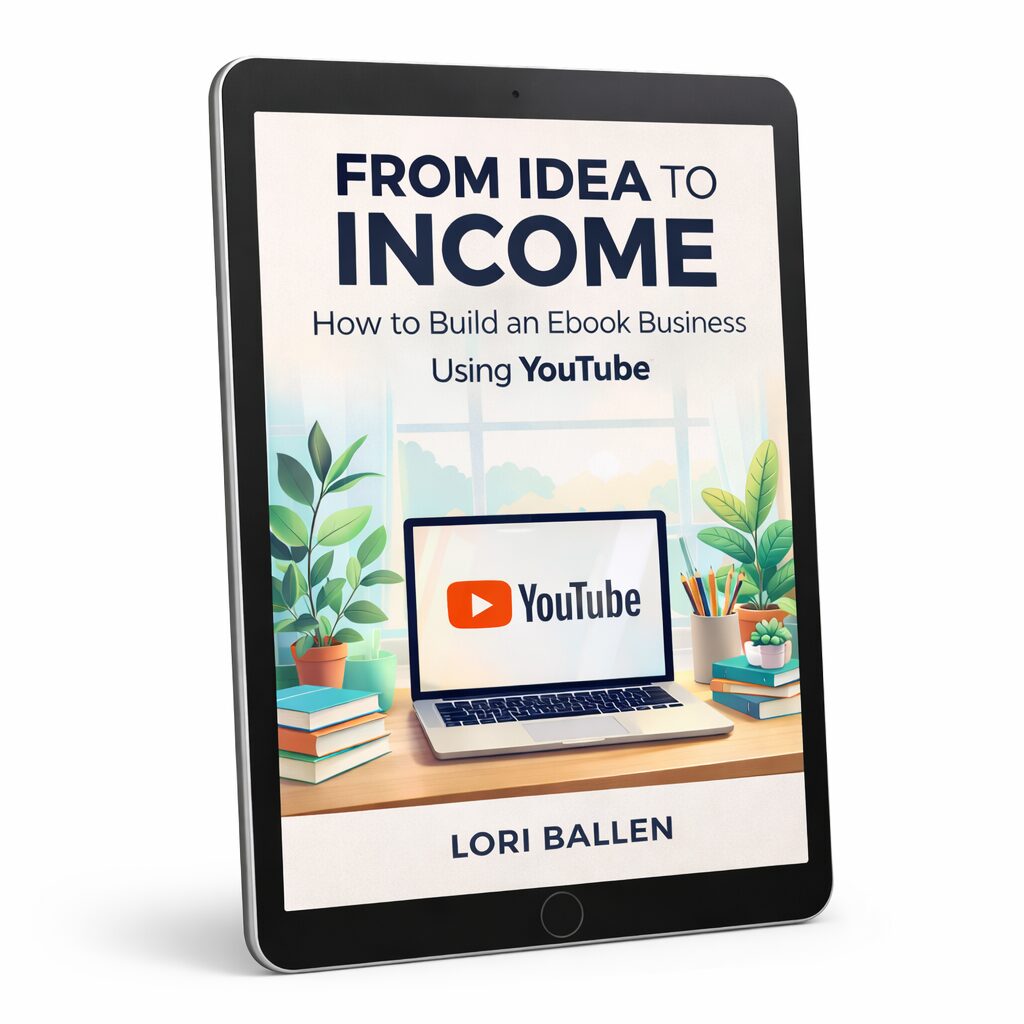
From Idea to Income
Selling something of your own alongside the subscription, so the newsletter is not the only income.
Five ways people waste the feed
- Treating notes as post announcements. New post is up plus a link is the lowest-performing thing you can put in that feed. Say the idea instead.
- Posting and leaving. The replies to your note are where the growth is. If you are not there for the first hour, you gave away the best part.
- Chasing a number you read somewhere. The daily cadence rules floating around are one person’s experiment repeated until it sounded official. Find your own ceiling.
- Never replying in other people’s comments. This is the single highest-return activity on the platform and it costs nothing. A good reply on a bigger publication is a free introduction.
- Letting the long-form slide once notes work. Notes bring people to the door. The posts are the reason they come in. Growth without publishing is just a follower count.
Where to take this next
Starting from zero?
The two growth engines and a milestone ladder. Your first 1,000 subscribers →
Turn readers into revenue
Why treating Substack as a blog leaves money behind. Substack as a conversion engine →
Still choosing a platform?
Substack, Beehiiv, Ghost, Kit and Medium with real pricing. The 2026 comparison →
Build the whole newsletter
Types, cadence and the monetization paths. How to build a newsletter →
Ready to scale?
Where 30,000 subscribers actually come from. The 30K growth breakdown →
See the daily habit
The Notes routine behind the Bestseller badge. My Substack Notes routine →
Why Notes come first
The case for putting your energy into the feed. Why your Substack Notes matter more than your articles →
Skip the batch scheduling
What I do instead of queuing a week of notes. The daily Substack system that converts →
About Notes specifically
How many notes a day should I really post?
Two to four, most days, is a cadence most people can sustain without it eating the writing time. There is no published optimum, so treat any specific number you read as a starting point rather than a rule.
Will I get shadowbanned for posting too much?
There is no documented threshold, no stated rate limit, and no public test showing one exists. What is documented is that spam in comments and threads violates the content guidelines. Posting a lot of real notes is not that.
Should I put links in my notes or not?
Try both and watch your own numbers. The evidence that link-free notes perform better is one study of nine creators, and the reason may simply be that removing the link forces a better note.
Do I still need a scheduling tool?
Not for scheduling. Substack added that natively in March 2026 and it is free. Paid tools now compete on recurring queues, evergreen recycling and A/B testing, so buy one only if you want those specific things.
What is a good click-through rate on a note?
Nobody knows. No benchmark has been published by Substack or by any credible study. Compare your notes to your own notes.
Can Notes alone grow a publication?
They can grow a following. Turning that into a publication needs the long-form, because that is what people stay for. Come for the notes, stay for the posts is not a slogan, it is the actual mechanism.
“Take the link out and you are forced to write something that stands up on its own. That is the thing that travels.“— Lori Ballen
Get Letters from Lori
My weekly notes on building a one-person business after 50: what I’m building, what’s working, and what I’d do if I were starting over. Free, straight to your inbox.
Let’s look at what you are actually posting
Most Notes problems are visible in about ten minutes of scrolling a profile. Inside Substack SKOOL, my community for Substack creators, we look at what you are posting, find the pattern that is costing you reach, and set a cadence you can hold.
Join Substack SKOOL →Post two notes tomorrow with no link in either one. Answer every reply.
Want it in your inbox instead? Get Letters from Lori, my field notes on building a business that earns for the long haul.
The business behind the business — every week, free.
I walked away from a company with 100 employees to build a one-person business. I write down what it actually earns, what it actually costs, and the systems I use to run it alone.
- Real revenue numbers, not screenshots
- The systems that let me run it solo, over 50
- What’s working on Substack right now
Hey there! Just a quick heads-up: some of the links on this site are affiliate links, meaning I may earn a small commission if you make a purchase (including through the Amazon Associates program), at no extra cost to you. Occasionally, products featured here are gifted by brands.
I also use AI tools to help research and create content for you! While I love sharing strategies to help you succeed, please remember that everyone's journey is unique—individual results vary, and there are no guarantees. Thanks so much for stopping by!
