Escaping the void: your first 1,000 Substack subscribers
Publishing into silence is not a sign the writing is bad. It is a sign that only half the job is getting done. Here are the two growth engines, why your first hundred should not be friends and family, and a milestone ladder you can actually act on this week.
If you only take four things from this
Substack hosts you, it does not promote you
It has a network, and the network is real. But it does not owe you an audience, and nothing arrives just because you published.
Writing is about half the job
The other half is distribution, and most people who quit were doing the first half beautifully and the second half not at all.
Your friends and family will wreck your numbers
They subscribe out of love and never open. Enough of those and your deliverability suffers and your open rate stops telling you anything true.
A thousand is the wrong target
It is too far away to steer by. Ten is a target you can actually act on this week, and ten is the only one that teaches you anything.
The six things that move the number
The empty room, and why it is not a sign you are bad at this
Almost everybody arrives at Substack with the same quiet assumption. That there is an audience in there, and publishing is how you get introduced to it.
There is an audience in there. It is just not looking for you yet. One writer in a thread I keep coming back to put it about as bluntly as it can be put: Substack is a hosting platform. It does not gift people a platform. Writing is at most half the work involved in growing.
That is the whole reframe. If you have been publishing for two months into silence and concluding that the writing is the problem, the writing is probably not the problem. You have simply been doing one of the two jobs.
The good news buried in that. The half you have been skipping is the more learnable half. Distribution is a set of behaviors. You can start doing them on a Tuesday.
The internal engine: Notes, comments and recommendations
This is the growth that happens without you leaving the platform, and for a lot of people it is now the majority of it. Substack has published its own numbers here. Back in February 2024 they said recommendations alone drove half of all new subscriptions on the platform and a quarter of new paid ones.
Notes is the part you control. It is the short-form feed inside the app, and unlike your posts, a Note can be shown to people who have never heard of you. Writers who grew from nothing on Notes describe the same rhythm: a few short standalone thoughts a day, and real time spent in other people’s comment sections.
I have written the tactical version of this separately, because it deserves its own page. The Substack Notes playbook is here.
Comments are the underrated half. A thoughtful reply on a bigger publication puts your name in front of that writer’s readers, and it does it in a context where you have already demonstrated you are worth reading. Nobody clicks a profile because it is there. They click because the comment was good.
Recommendations come later and mostly come to you. They arrive once other writers have a reason to point at you, which is a downstream effect of the first two, not a thing to chase on day one.
The external engine, or climbing cringe mountain
The other camp in that thread was equally direct. You have to promote it on social media. You have to climb cringe mountain essentially.
Cringe mountain is real and it is worth naming, because the discomfort is not a sign you are doing something distasteful. It is a sign you are doing something unfamiliar in public. Almost everyone who now shares their work comfortably felt exactly like this for the first few months.
What actually works off-platform. Not “new post is up” with a link. That is the version everybody tries, and it converts terribly. What travels is the idea itself, delivered whole, in the format that platform rewards. A micro-essay on LinkedIn or Threads. A short video where you say the one thing. A single strong paragraph that does not need the click to make sense.
Then the link is the follow-up, not the offer. People subscribe because a piece of your thinking was good, not because you announced that more thinking exists elsewhere.
Pick one outside platform. One. Doing three badly is how people conclude that external promotion does not work.
The first hundred, and why they should not be people who love you
The most useful thing in that whole thread was the least comfortable. Those who love you will not read you. If you make the list full of those, you are only lying to yourself, and eventually the open rate goes low.
Your sister subscribes. Your old coworker subscribes. Neither opens. Now you have forty subscribers and a 20% open rate, and you cannot tell whether that means your writing is not landing or your list is full of people who were never going to read it. You have destroyed your only instrument.
It gets worse than misleading. Email providers watch engagement. A list full of people who never open teaches the inbox that your mail is ignorable, and that starts affecting the people who did want it.
What to do instead. Describe the one person you are writing for in a single sentence, then go find where they already gather and be useful there without pitching. Twenty strangers who chose you are worth more than two hundred people being kind to you.
The best question I saw asked in that thread reframes the whole thing: rather than how do I get a thousand people, ask what could I publish that ten people would immediately want to send to someone else.
Growth that does not depend on any algorithm
Interviews are the most underused move for someone with no audience. You ask an expert five good questions. They answer. You publish it, and they share it, because people share things they appear in. You have just borrowed their distribution and their credibility in one go.
It also solves the authority problem sideways. You do not have to be the expert. You have to be the person who asked the expert well.
Collaborating with peers works on the same principle at smaller scale. Two writers at three hundred subscribers each, doing something together, both reach an audience they did not have. Neither needs to be big.
And then there is the cornerstone piece. One genuinely useful thing that answers a real question completely. A resource, a walkthrough, a comparison somebody would bookmark. That piece keeps working for a year while your Notes work for a day.
The milestone ladder, because a thousand is unusable as a target
Zero to a thousand is paralyzing because there is no action attached to it. Nobody knows what to do differently on a Tuesday to get a thousand subscribers. But everybody knows what to do to get ten.
First 10. People who know your work, not people who know you. Reply to five posts a day in your subject area. This is the stage where you learn to write a Note that anyone reads.
10 to 50. Establish a cadence you can sustain on a bad week. Notes most days, one real post a week. The point of this stage is proving to yourself that you will keep going.
50 to 100. Publish the cornerstone piece. Find out what people actually ask you and answer it completely. Somewhere in here you will get your first note from a stranger, and it changes something.
100 to 250. Add the second engine. If you have only been internal, pick one outside platform. If you have only been external, get serious about Notes.
250 to 500. Collaborations and interviews. You are now big enough that other small publications will say yes.
500 to 1,000. Recommendations start arriving on their own, and the compounding you were promised finally shows up. This is also the point where turning on paid stops being premature.
Zero to a thousand, in stages you can act on
Do not aim at a thousand. Aim at the next row.
| Stage | What you are building | The actual move |
|---|---|---|
| First 10 | People who know your work | Five thoughtful comments a day on publications in your subject area. |
| 10 to 50 | A cadence you can keep on a bad week | Notes most days. One real post a week. Nothing clever. |
| 50 to 100 | Something worth bookmarking | One cornerstone piece that answers a real question completely. |
| 100 to 250 | The second engine | Whichever one you have been avoiding, internal or external. Pick one platform, not three. |
| 250 to 500 | Borrowed distribution | Interviews and collaborations. Other small publications will say yes now. |
| 500 to 1,000 | Compounding | Recommendations start arriving unprompted. This is when paid stops being premature. |
The whole build, watched over my shoulder
If you would rather see it than read it, this is the complete recorded masterclass. Setup, what to publish, how the paid side works, and the pieces that took me from starting to bestseller.
- The full setup walkthrough, nothing skipped
- What to write and in what order
- How the free-to-paid turn actually happens
- Lifetime access to the recording
The written versions
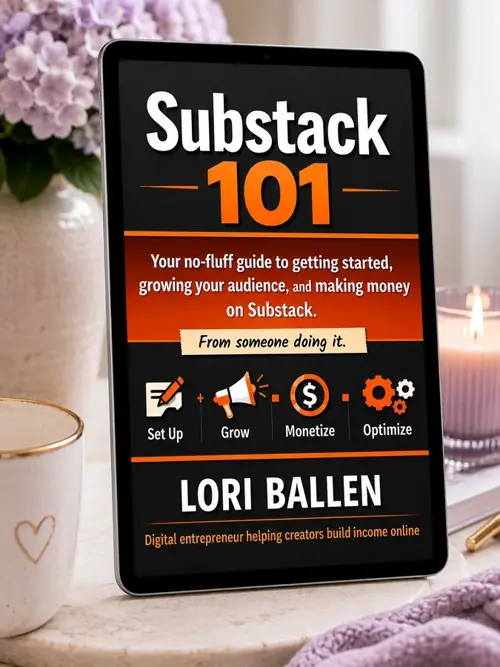
Substack 101
A no fluff guide to building and growing a paid newsletter, start to finish.
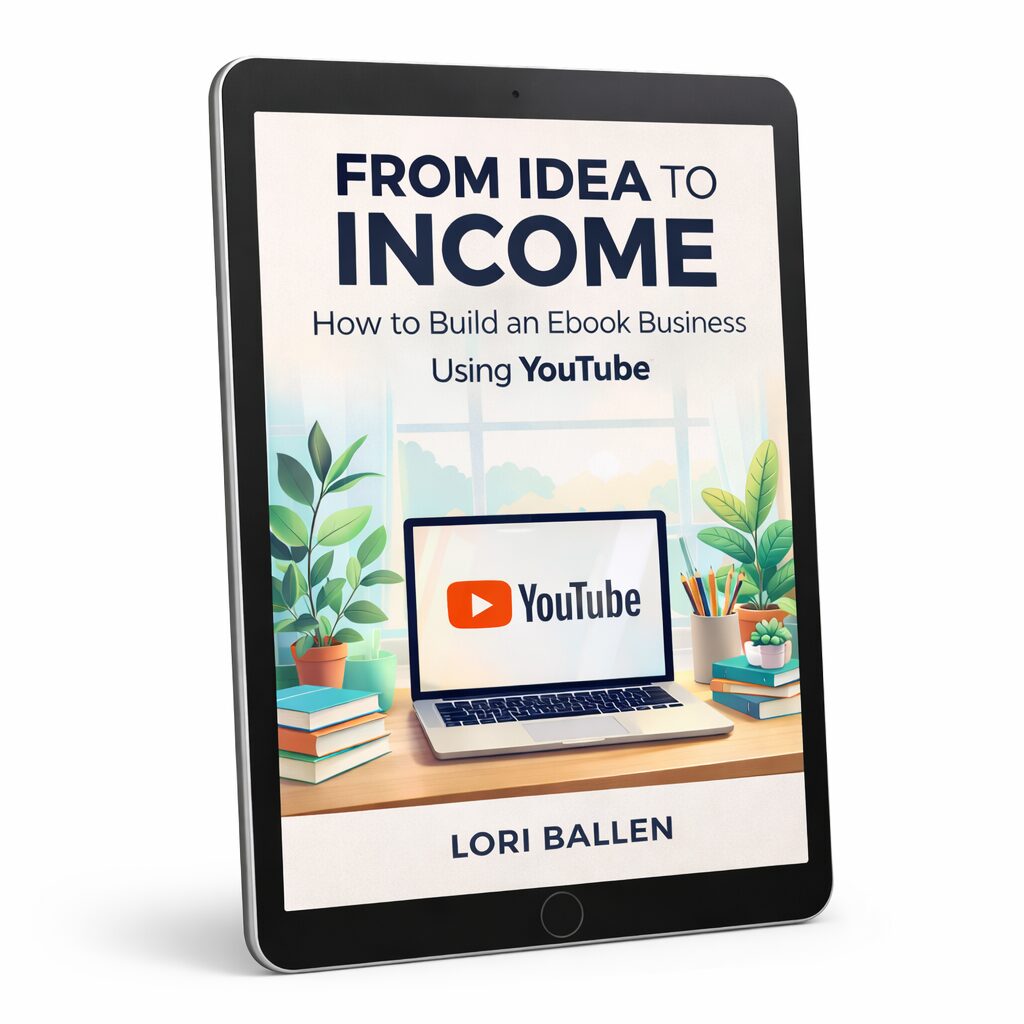
From Idea to Income
Selling something of your own alongside the subscription, so the newsletter is not the only income.
Five ways people stall at forty subscribers
- Importing your contacts. Every one of them is a person who did not choose this. They will not open, and they will teach the inbox to ignore you.
- Follow for follow and engagement pods. You end up with a number and no readers. The number feels good for a week and then it lies to you for a year.
- Posting the link and calling it promotion. Nobody clicks an announcement. Give away the idea in full, in the format that platform rewards, and let the link be the follow-up.
- Trying every platform at once. Three platforms done badly produce nothing and prove nothing. One platform for ninety days produces an answer.
- Judging it at week six. Almost nothing shows up by week six. Give it a real season before you decide the subject or the format is wrong.
Where to take this next
The Notes tactics in full
Cadence, hooks, and where the link should go. The Substack Notes playbook →
Make it convert, not just grow
Why treating Substack as a blog leaves money behind. Substack as a conversion engine →
Still choosing a platform?
Substack, Beehiiv, Ghost, Kit and Medium with real pricing. The 2026 comparison →
Not sure of the subject yet?
The lane matters more than the platform. Pick one profitable niche →
About the first thousand
How long should the first thousand take?
Longer than the screenshots suggest. Somewhere between six months and two years is normal for someone starting with no audience anywhere. The people who got there in ten weeks almost always brought an audience with them from somewhere else.
Should I turn on paid before a thousand?
You can turn it on early, and a lot of people do, but do not expect much until there are enough readers for a small percentage to be a real number. Substack’s own guidance points at 5 to 10% of free subscribers converting. The median across real publications is closer to 3%.
Is it too late to start?
There are more publications than there used to be and less patience in the feed. Both true. Neither has anything to do with whether one specific person finds your writing useful, which is still the only mechanism that has ever worked.
Do I need to be on video?
No. It helps on the external engine because short video travels further than text on most platforms. But plenty of people have built entirely on writing, using Notes and comments as the whole distribution strategy.
What if I genuinely hate self-promotion?
Then lean hard on the internal engine and on interviews, because both let the work do the promoting. Commenting well is not self-promotion. It is being useful in public, and it happens to be the highest-return activity on the platform.
How often should I actually publish?
One real post a week is enough, and two is plenty. The cadence that matters more is the short-form one, because that is what strangers see. Come for the Notes, stay for the posts.
“Stop asking how to get a thousand people. Ask what you could publish that ten people would immediately send to someone else.“— From a thread of writers who did it
Want my one person business field notes?
The three buckets I run everything through, and how I decide what to build next. Short, free, and the same map I use.
Let’s find the half you are skipping
Almost everyone stalled in the void is doing one engine well and the other not at all. In group coaching we look at what you have actually been doing for the last month, name which half is missing, and build the routine that fixes it.
Join group coaching →Forget the thousand. Go get ten people who chose you.
Want it in your inbox instead? Get Letters from Lori, my field notes on building a business that earns for the long haul.
The business behind the business — every week, free.
I walked away from a company with 100 employees to build a one-person business. I write down what it actually earns, what it actually costs, and the systems I use to run it alone.
- Real revenue numbers, not screenshots
- The systems that let me run it solo, over 50
- What’s working on Substack right now
Hey there! Just a quick heads-up: some of the links on this site are affiliate links, meaning I may earn a small commission if you make a purchase (including through the Amazon Associates program), at no extra cost to you. Occasionally, products featured here are gifted by brands.
I also use AI tools to help research and create content for you! While I love sharing strategies to help you succeed, please remember that everyone's journey is unique—individual results vary, and there are no guarantees. Thanks so much for stopping by!
