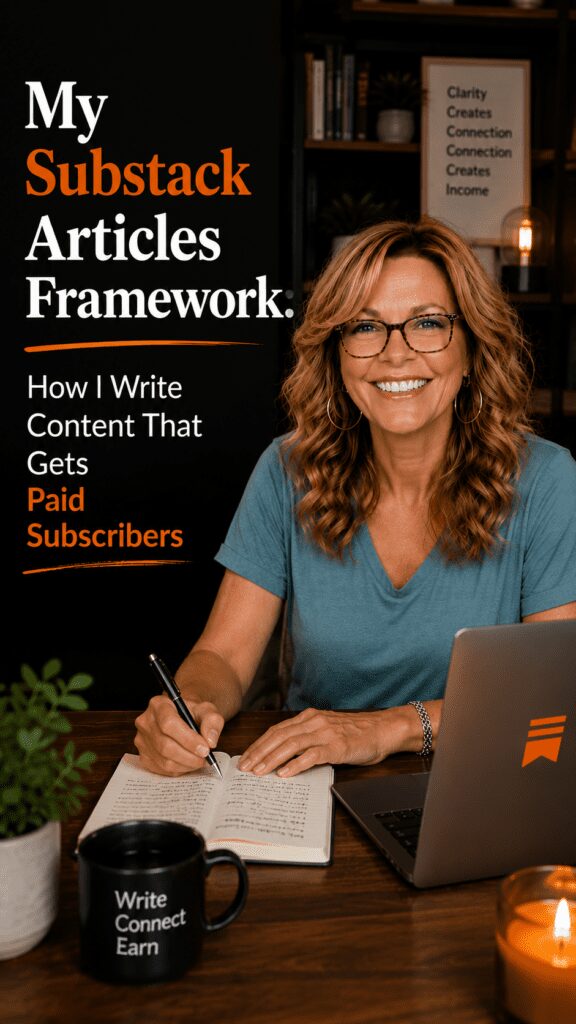
The first few Substack articles I wrote were fine. They were honest, they were well-structured, and they got almost no engagement. I kept telling myself that I needed more subscribers before the engagement would come, but that was backwards. Engagement comes from writing the kind of article that earns it, and there is a specific structure that does that on Substack better than any other approach I have tried.
New to Substack? Start with my plain-English guide to how Substack works.
I cover the full writing framework, including what goes behind the paywall and the paywall strategies that actually convert, in my ebook Substack 101: A No-Fluff Guide to Building and Growing a Paid Newsletter. It is $27 at ballenpublishing.com. Here is the articles framework specifically.
The Substack Article Is Not a Blog Post
This was the first thing I had to unlearn. I came from blogging, where the goal is to comprehensively answer a search query and rank in Google. Substack articles serve a different purpose. They are sent to someone’s email inbox. The reader did not search for the topic. They subscribed because they trust the writer, and they opened the email because the subject line earned the click.
That changes everything about how to write. A Substack article needs to feel personal and direct, like something written for a specific person who knows the writer, not for a general audience looking for information.
The best Substack articles read like a brilliant friend sharing something they just figured out, not like a Wikipedia entry or an SEO listicle.
My Article Framework
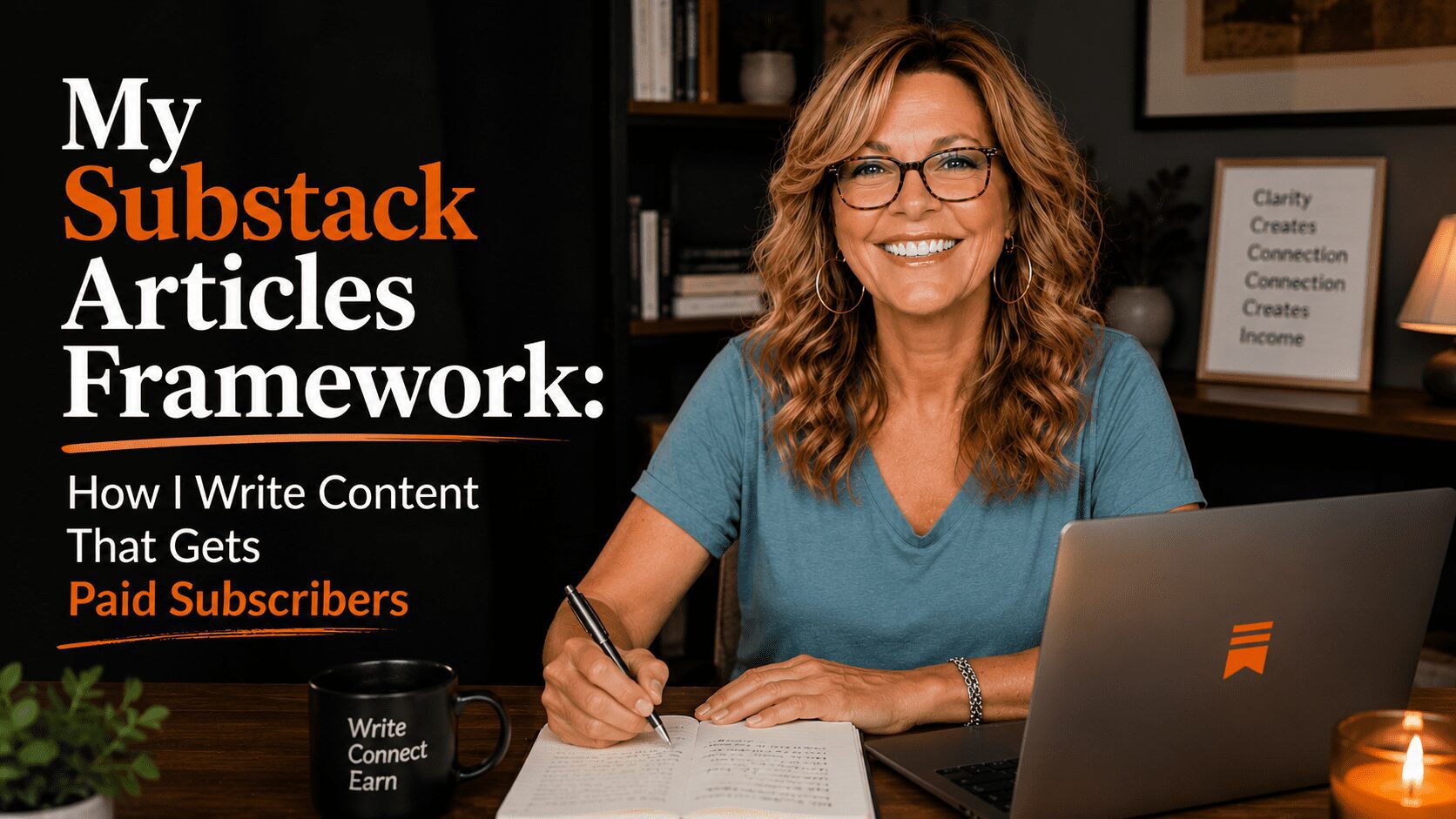
Every Substack article I write follows the same underlying structure, even though they do not feel formulaic to read. The structure is: open with a specific true thing, establish what is at stake for the reader, deliver the substance in the clearest way I know how, then close with something that stays with the reader after they close the email.
The opening is the most important sentence I write. Not the subject line, not the headline, the first sentence of the actual email body. That sentence determines whether someone keeps reading or closes the tab. I write my openers last, after I have figured out what the piece is actually about.
The real opening of an article is usually the clearest sentence in it, and I rarely know what that sentence is until I have finished the draft.
The subject line is the headline. It determines whether the email gets opened. I write three or four subject line options for every article and choose the one that creates the most specific curiosity without being misleading. Vague subject lines get low open rates. Specific subject lines that make the reader feel like this email was written for them get high ones.
How Often I Publish
I publish on a consistent schedule and I do not miss it. This is more important than frequency. A newsletter that publishes twice a week unreliably is worse than one that publishes once a week every single week. Readers train themselves to expect your newsletter.
When it arrives consistently, opening it becomes a habit. When it arrives randomly, it becomes noise.
I chose a schedule I could sustain even during the weeks when nothing feels easy. Then I kept it. The consistency is what built my list faster than any other single factor in the first six months.
What Gets Shared
Articles get shared when they say something the reader immediately wants someone else to read. That sounds obvious but most newsletter articles are not written with shareability in mind. They are written to inform or to demonstrate expertise. Those are useful goals but they do not produce shares.
What produces shares is an article that either articulates something the reader has felt but could not say, or challenges something they believed in a way that makes them curious rather than defensive. When a reader thinks someone I know needs to see this, they share it. I write every article with that response in mind.
My Paywall Strategy
The paywall decision is one of the most consequential choices in running a Substack newsletter. Put too much behind it and free subscribers have no reason to stay. Put too little and paid subscribers have no reason to upgrade. I landed on a specific ratio and a specific type of content for each tier that I explain in detail in the ebook.
The short version: free content builds trust and demonstrates what the newsletter is worth. Paid content delivers the thing that readers are willing to pay for, which is usually more depth, more specificity, or more direct access to the writer’s actual thinking rather than the polished public-facing version of it. The free tier should make someone want the paid tier. Every free article is an advertisement for the subscription.
The Article Types That Convert Free to Paid
Not all article types are equally good at converting free subscribers to paid ones. The article types that convert best in my experience are the ones that open a door and stop partway through. A free article that presents a problem, starts the solution, and then puts the most valuable part of the solution behind the paywall converts better than a free article with a simple upgrade prompt at the bottom.
The reader is already invested when they hit the paywall. The decision to upgrade feels like finishing something rather than starting something.
Keep reading: see how this framework played out in my most profitable Substack post, how the free-to-paid pieces fit together in my paid newsletter playbook, and why Substack is not a blog.
The Full Writing and Monetization System
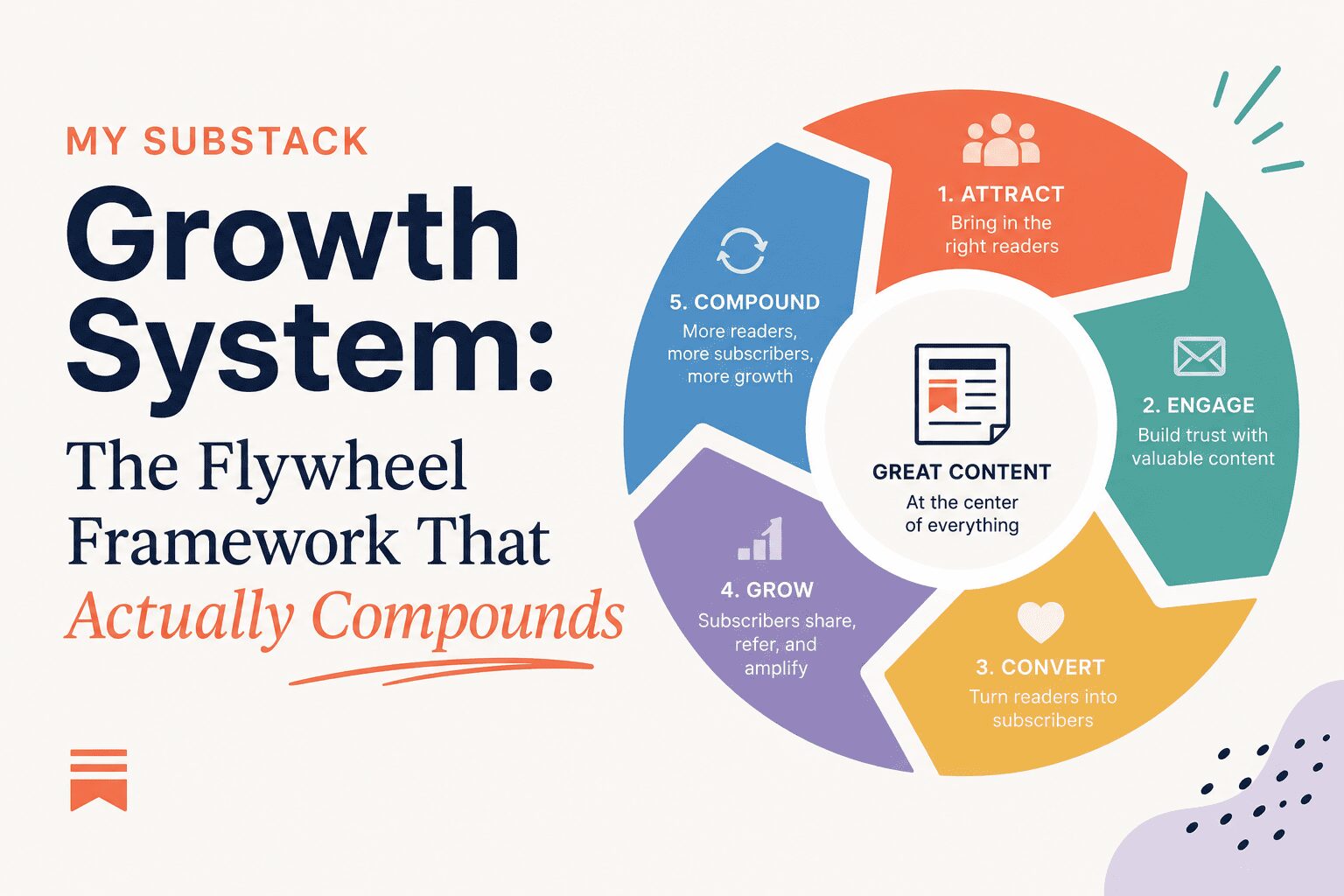
The writing framework is one piece of a system that also includes how you grow your list, how you use Notes to reach new readers within the platform, how you leverage recommendations from other writers, and how you build income streams from a single audience that go beyond just paid subscriptions. I laid all of it out across 16 chapters in my ebook Substack 101: A No-Fluff Guide to Building and Growing a Paid Newsletter. It is $27 at ballenpublishing.com. This is the system I actually use, not a theoretical framework built from reading other newsletters.
Hey there! Just a quick heads-up: some of the links on this site are affiliate links, meaning I may earn a small commission if you make a purchase (including through the Amazon Associates program), at no extra cost to you. Occasionally, products featured here are gifted by brands.
I also use AI tools to help research and create content for you! While I love sharing strategies to help you succeed, please remember that everyone's journey is unique—individual results vary, and there are no guarantees. Thanks so much for stopping by!