Get Distributed on Substack
Almost nobody subscribes the first time they see your name. Here is how the platform decides who gets shown to strangers, which subscribers are actually worth having, and what to do on day one.
Kit
Where my email list actually livesMy email list does not live on Substack. It never has.
It lives here, and it did years before I opened a publication. That sounds like a contradiction. It is the opposite.
On Substack you rent the relationship. You cannot email those people off the platform. My list is a CSV I can download tonight, and it is what you export from in step one.
Affiliate link. If you sign up through it I may earn a commission at no extra cost to you.
Tap any card to open it up
The migration, in order
Check them off as you go. The whole thing is an afternoon.
Subject: I moved. Here is where to find me.

I am writing in a new place now.

Same person, same topics, different address. From here on you get one email a week from me there instead of here. If that is what you signed up for, do nothing. You are already on the list.

If it is not, the unsubscribe link still works and there are no hard feelings.

Here is the first thing I published there: [link]
Where your subscribers came from decides what they are worth
Click through the four channels. The verdicts are mine, from tracing my own paid subscribers back to the source.
These arrive during somebody else’s signup flow. A reader joins another publication, gets a screen of suggestions with the boxes pre-ticked, taps continue, and now subscribes to six things including you.
They did not choose you. They chose to get past a screen.
How to spot it
Your count jumps and the open rate on your next send drops. That is the tell, every time.
What to do
Nothing dramatic. Do not chase it, do not celebrate it, and never price or plan around it.
Another writer publicly points at you. Someone subscribes to them, sees you listed as a publication they trust, and comes over on that endorsement.
Quality tracks topic distance. Same lane sends people who want you. Huge and unrelated sends volume that behaves like onboarding traffic.
How to spot it
A steady trickle instead of a spike, and it keeps running for months after setup.
What to do
Recommend generously and specifically. Point at publications in your actual lane, not the biggest ones you can find.
Someone reads a note, a comment you left, or a restack with your take on it. They liked the thinking, clicked your name, and subscribed on purpose.
A real decision happened. That is a different act from tapping continue.
How to spot it
Smaller numbers, much better open rates. These are the people who reply to you.
What to do
Post daily, work up to three notes a day, watch which lands, delete the ones that flop. Notes do not send notifications, so you are not spamming anyone.
They came from outside. A search result, a pin, a video description, your own blog. They were already looking for something and found you.
These convert to paid better than anything else I have tracked, and the reason is intent. Nobody suggested you to them.
How to spot it
Usually the smallest bucket and the biggest share of revenue. When I traced every paid subscriber I have ever had, this is where they were hiding.
What to do
Keep one outside traffic source pointed at your publication permanently. Mine is Pinterest and YouTube.
Three touches before anyone subscribes
First time you are a stranger. Second time something registers. Third time your byline is familiar, and familiarity is what people mean when they say trust. Tap each one.
“Notes bring followers. Followers bring free subscribers. The paywall brings paid subscribers.”Lori Ballen
What I get asked every single time
My list is tiny. Is it worth importing?
Yes, and it matters more when it is small. Fifty people who know your name open at a rate that makes the whole publication look healthy. Fifty is also enough for a first paid subscriber, and that one changes how you behave.
You do not need a big list for the import to count. You need a real one.
How many notes a day is too many?
I have not found the ceiling. I post at least three, sometimes back to back. Notes do not trigger notifications or emails, so there is no inbox to clutter.
Post several, see which one moves, delete the ones that went nowhere, then ask what was different about the winner. Topic? First line? Bolded the right sentence? You cannot learn that from one post a week.
What do I write notes about?
Stories, not tips. This is the big adjustment coming from blogging. “Three ways to change your life in thirty seconds” is blog language and it dies here.
What works: I spent years doing this, then I found that, here is what happened. Personal story into lesson into strategy.
Keep a running note file on your phone. When you are out with nothing to say, you have twenty things better than anything you would improvise.
Should I run more than one publication?
No. I tried it. My second one was doing well and I deleted it anyway, because it split the energy. Readers could not tell which to subscribe to and my main count started slipping.
One profile, one publication, one lane.
How often do I have to send an article?
One a week, minimum. I tested three and got unsubscribes, so more is not automatically better. Skipping weeks is worse than either.
Tell them the rhythm and keep it. I say weekly and leave myself a little room rather than promising a day I might miss.
Do I have to charge money?
No, but know the tradeoff. The platform earns a cut of paid subscriptions, so writers who charge are writers it has a reason to promote. The bestseller badge also signals authority to readers deciding whether you are worth their time.
You can run free and sell your own products instead. Plenty do. You are just opting out of one of the strongest tailwinds available.
The 3-Bucket Business Field Notes
The one person business model I actually run. What to build, what to buy back, and what to leave alone.
The two guides that pair with this
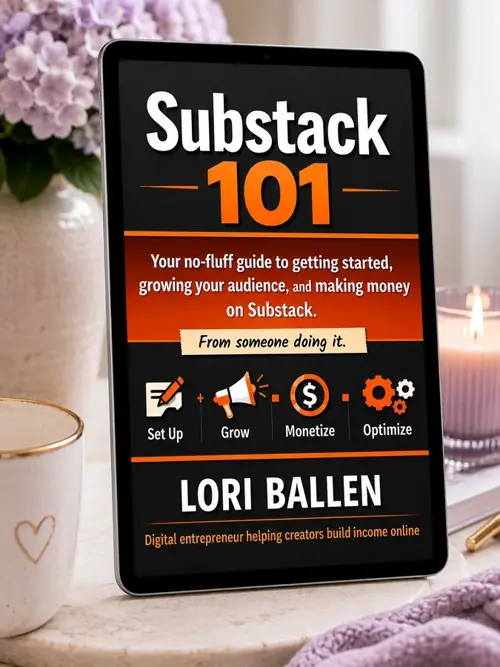
Substack 101
Setup, note formats, article structure, paywall placement, and how the money arrives.
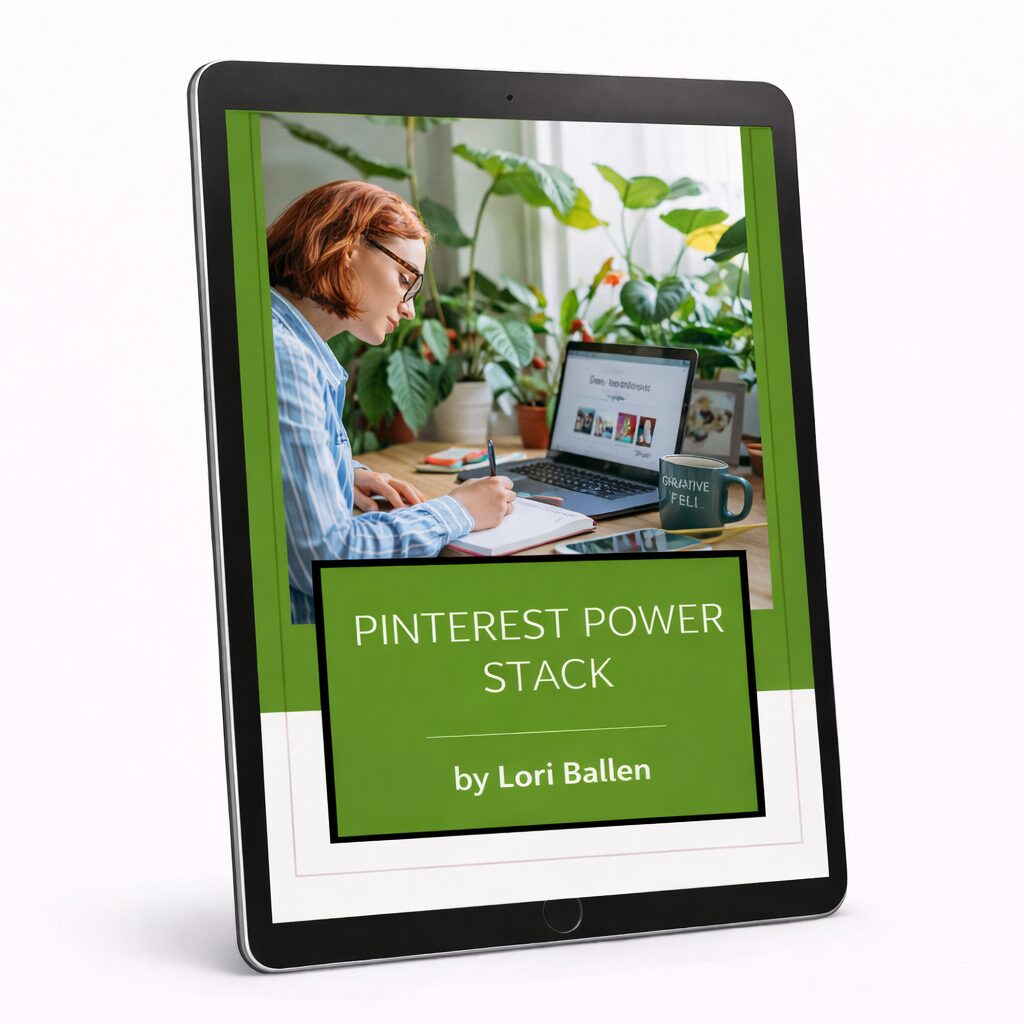
Pinterest Power Stack
Turn one post into many. This is how you build the off-platform traffic that converts best.
Affiliate link. If you sign up or buy through it I may earn a commission at no extra cost to you.
Your list is not the platform’s list. Move it, then go earn the byline.
Affiliate link. If you sign up or buy through it I may earn a commission at no extra cost to you.
Next up: where to put the paywall once people are actually reading.
Hey there! Just a quick heads-up: some of the links on this site are affiliate links, meaning I may earn a small commission if you make a purchase (including through the Amazon Associates program), at no extra cost to you. Occasionally, products featured here are gifted by brands.
I also use AI tools to help research and create content for you! While I love sharing strategies to help you succeed, please remember that everyone's journey is unique—individual results vary, and there are no guarantees. Thanks so much for stopping by!
