This page contains affiliate links — if you click through and sign up or buy, I may earn a commission at no extra cost to you. I only ever recommend tools and programs I actually use.
The AI Trick That Writes It In My Voice, Not Its Own
Most people brain dump into AI and let it write the whole thing. I do the opposite. I let AI interview me, then I use my own answers, in my own words, as the raw material for the digital product. Here’s exactly how that works.
Turn your own words into a product
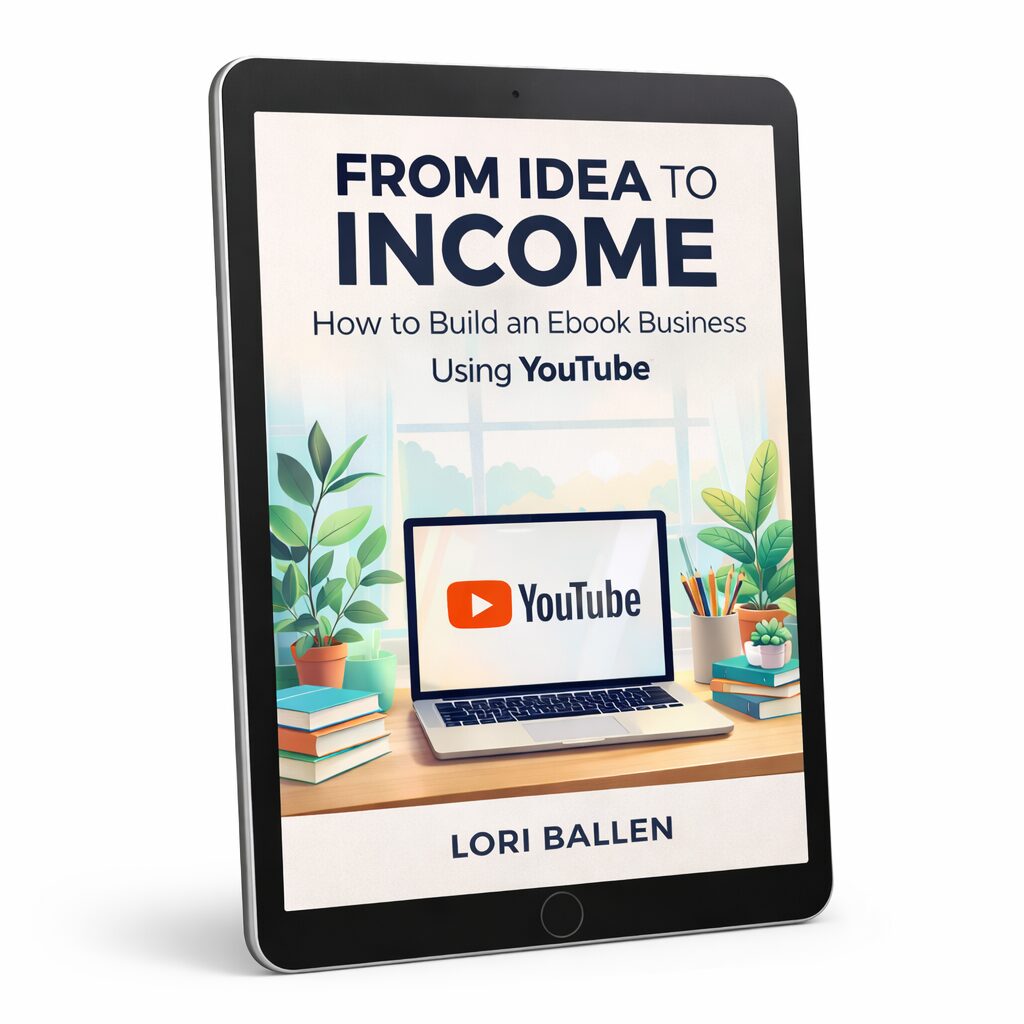
From Idea to Income
Take a simple idea and shape it into a digital product people actually buy.
Claude 101 for Creators
The prompts and workflow I actually use to get AI to sound like me, not like a robot.
Why this works when a brain dump doesn’t
AI asks, you answer
Instead of typing everything you know into a box, you tell AI to interview you. It asks the questions. You give the answers, out loud or typed, in your own words.
Talk it out on a walk
I do this on a 45-minute walk with headphones in, just talking through what I did that day, what worked, what didn’t. That raw talk becomes the source material.
Your words stay your words
The product that comes out the other end sounds like you, because it’s built from your actual answers, not from AI guessing what you might say.
It’s reusable, over and over
Once AI knows your voice and your topic, you can hand it a new transcript or voice memo any time and say “do the same thing with this.”
How I let AI interview me instead of writing for me
This is the exact process, whether it turns into an ebook, a worksheet, or a spreadsheet template.
Brain dump first, out loud
Go for a walk or just talk into your phone. Cover what you did, what you liked, what you didn’t. Don’t edit yourself, just talk.
Ask AI to interview you back
Instead of asking for a finished product right away, ask AI to ask you questions about what you just said. Let it dig for the specific moment or lesson.
Answer in your own words
Your answers, not AI’s guesses, are the raw material. This is the step that keeps the final product sounding like you instead of like a generic AI voice.
Turn the transcript into a product
Take that whole conversation and ask AI to shape it into an ebook, a worksheet, a spreadsheet template, or a set of prompts, whatever fits what you were talking about.
Ask what’s missing
At the end, ask what you should have included that you didn’t. It’ll point out a missing warning, a personal story, or a number worth adding.
Want the full walkthrough?
From Idea to Income covers this whole process, start to finish, so you can turn your own voice into your first digital product.
Get From Idea to Income →“The more you use AI conversationally, just chatting, the better it gets at creating valuable things for you.”— Lori Ballen
The Walk That Started It
I found this by accident. I was on a 45-minute walk, headphones in, just talking. Not writing. Not typing. Talking. I ran through what I’d done that day, what worked, what didn’t. No script. No outline. Just noise, out loud, into my phone.
That noise is the whole trick.
Stop Handing AI a Blank Page
Most people open AI and dump everything they know into one giant prompt. Then they ask it to write the ebook, the worksheet, the whatever. And it does. It writes something. It just doesn’t sound like them. It sounds like AI, because AI wrote it.
I do the opposite. I don’t ask AI to write. I ask it to interview me.
Same walk, same brain dump, but now I tell it: ask me questions about what I just said. What was the moment I actually figured this out? What would I tell myself a year ago? Dig in. And it does. It pulls the specific thing out of me that I would have skipped over on my own.
My Words. My Answers. My Product.
That’s the part that matters. The answers are mine. Not AI’s guess at what I might say. Mine. That’s the raw material for the product, whatever it ends up being. An ebook. A worksheet. A spreadsheet template. A set of prompts.
Take that whole conversation, the interview and my answers, and hand it back to AI. Now say: shape this into an ebook. It has something real to work with. My voice, my story, my specifics. Not a topic. Not a vibe. Actual words I said.
Then I Ask What’s Missing
Every single time, at the end, I ask the same question: what should I have included that I didn’t? It always finds something. A warning I forgot. A personal story that would land better than the generic version. A number worth adding, like a screenshot of my own profit and loss instead of talking around it.
I never skip that step. It’s saved me from publishing something half-finished more times than I can count.
The Design Part Works the Same Way
If the first draft comes out looking plain, I don’t open a design program. I just say make this pretty. Or give me your brand colors. Or make it feel soft and feminine, or bold, whatever fits. If the checkboxes are in the wrong spot, I say move the checkboxes. No dragging boxes around a canvas. Just tell it what’s wrong and let it fix it.
Save It, Then Reuse It
Once AI knows your voice and your topic, you don’t have to start from zero again. Claude has something called skills. Build this process once, save it, and next time you hand it a new voice memo or transcript and say do the same thing with this. It already knows how you talk and what you’re building. That’s the whole game. Fewer blank pages, more finished products, and every one of them still sounds like you and not like a robot wearing your name. If you want the fuller list of ideas this method can build, see Best Digital Products to Sell That Don’t Require Shipping.
The AI interview method, answered
What is the AI interview method for digital products?
It’s a way to build a digital product by having AI ask you questions about a topic instead of asking AI to write the product for you. Your answers, not AI’s guesses, become the raw material.
Why not just ask AI to write the whole product?
Because it ends up sounding like AI wrote it. When AI interviews you first, the finished product is built from your own words and stories instead of a generic AI voice.
What kinds of digital products can I make this way?
Ebooks, worksheets, spreadsheet templates, and prompt packs all work well. The method fits anything built from your own experience and knowledge.
Do I need an existing audience to start?
No. Start by figuring out what you can talk about every day, then figure out where that audience already spends time, one platform at a time.
What if the first draft doesn’t sound right?
Ask AI what’s missing before you publish. It almost always finds a gap, a personal story, a warning, or a detail worth adding.
Try the interview method on your very next AI chat
Get From Idea to Income →Want more like this? Get Letters from Lori.
Hey there! Just a quick heads-up: some of the links on this site are affiliate links, meaning I may earn a small commission if you make a purchase (including through the Amazon Associates program), at no extra cost to you. Occasionally, products featured here are gifted by brands.
I also use AI tools to help research and create content for you! While I love sharing strategies to help you succeed, please remember that everyone's journey is unique—individual results vary, and there are no guarantees. Thanks so much for stopping by!
