
Earning your first thousand dollars from a blog feels impossible… until you see the process. It’s like there’s a secret club, and you’re on the outside looking in. You see the income reports and the Instagram stories of people working from a laptop on a Tuesday afternoon, and you just think, “How? How are they actually doing that?” If you’ve ever felt like you’re staring through the glass, wondering how people make real, life-changing money with a blog, this video is for you.
This isn’t about getting lucky, being a tech genius, or going viral on TikTok. This is a repeatable, four-step formula that anyone can follow. A few years ago, I was exactly where you are now—scrolling, doubting, and completely overwhelmed. But I was also determined. I followed a process that I refined through trial and error, a process that took me from zero to my first $1,000, and then far beyond.
Forget the noise that says “blogging is dead” or that you’re “too late.” The truth is, there has never been a better time to build a small corner of the internet that you own, that serves a specific audience, and that generates an income. By the end of this, you won’t have a bunch of vague tips; you’ll have the exact blueprint to earn your first $1,000 blogging. So, grab something to take notes with, and let’s get started.
Step 1: Find Your $1,000 Idea (The Profitable Niche)
This is the most critical step, and it’s where most people get paralyzed. They either overthink it into a standstill or make the single biggest mistake: choosing the wrong niche. Old advice says to “follow your passion.” While passion is great for consistency, passion alone doesn’t pay the bills. The real sweet spot is the intersection of your genuine interest and a market with proven demand.
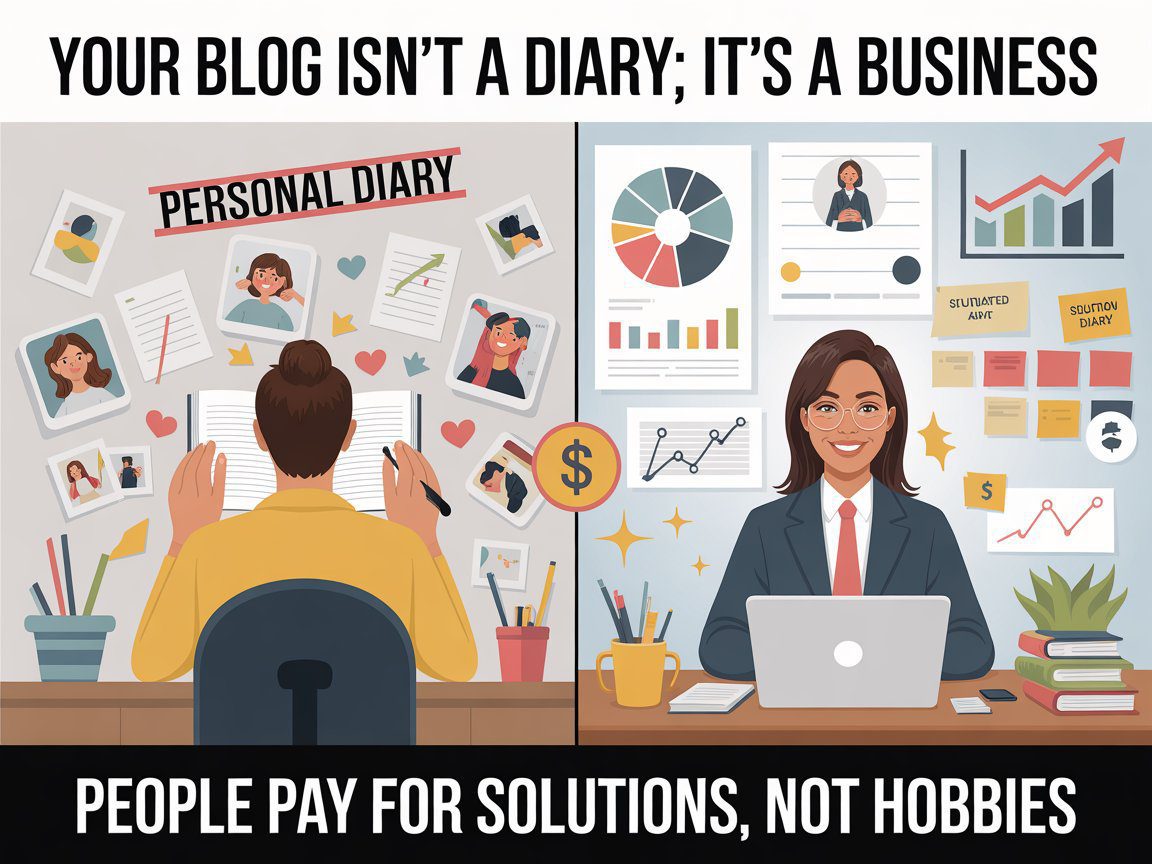
Your blog isn’t a diary; it’s a business. You’re not writing for yourself; you’re solving a problem for a specific group of people. The moment you shift your mindset from “what do I want to write about?” to “what problems can I solve?” is the moment you unlock real income potential. People pay for solutions, not for your hobbies.
So, how do you find this profitable niche? You run your ideas through a simple, two-part test.
Part One: The Interest Test. Can you see yourself writing about this topic for the next two years without getting bored? You don’t need to be the world’s top expert today, but you need enough curiosity to become one. If you despise budgeting, a personal finance blog will feel like a prison, no matter how much money it could make. List five to ten topics you genuinely enjoy—maybe it’s home organization, learning a new software, budget travel, or baking gluten-free bread.
Part Two: The Profitability Test. This is where we get strategic. For each idea, we need proof that people are already spending money. Here’s how to check for free:
First, check for affiliate potential. Go to Amazon and search for products related to your niche. Are there books, tools, or equipment? Then, search Google for “[Your Niche] affiliate programs.” Are companies—especially software or digital course creators—willing to pay you a commission to recommend their products? These programs often pay much higher rates than Amazon, sometimes 20-50%.
Second, look for digital products. Are other creators selling ebooks, templates, or courses? A search for “budgeting for beginners” will uncover spreadsheet templates and printable planners. This is direct proof that the audience pays for solutions. Competition isn’t a bad thing; it’s a sign that the market is validated.
Third, analyze what people are searching for. Use free tools like Google Trends to see if a topic is growing. Type your idea into Google and look at the “People also ask” section and “Related searches.” Are people asking “how to,” “best,” “reviews,” or “for beginners”? These are buying-intent keywords, signaling someone is actively looking for a solution.
So what niches are passing these tests in 2025? Personal finance is massive, especially sub-niches like “budgeting for families” or “side hustles for creatives.” Health and wellness is an evergreen giant, but you have to niche down. Instead of “health,” think “gut health nutrition” or “fitness for busy moms.” The Tech and AI tools niche has exploded as people are desperate for simple guides on new software. Other strong contenders include parenting, food (especially for specialty diets), and self-improvement.
The key is not to stop at a broad topic. “Fitness” isn’t a niche; it’s an industry. “Fitness for busy moms over 40 who want to work out at home”… that is a niche. This specificity is your superpower. You can’t outrank giant corporations for “fitness,” but you can absolutely become the #1 resource for that micro-niche audience. Don’t be afraid to niche down. You’re not shrinking your audience; you’re increasing your relevance.
Your action item for Step 1: Brainstorm your interests, run them through the profitability test, and choose one specific, problem-oriented niche. This decision is the bedrock of your future $1,000.
Step 2: Build Your Online Storefront (The Blog Setup)
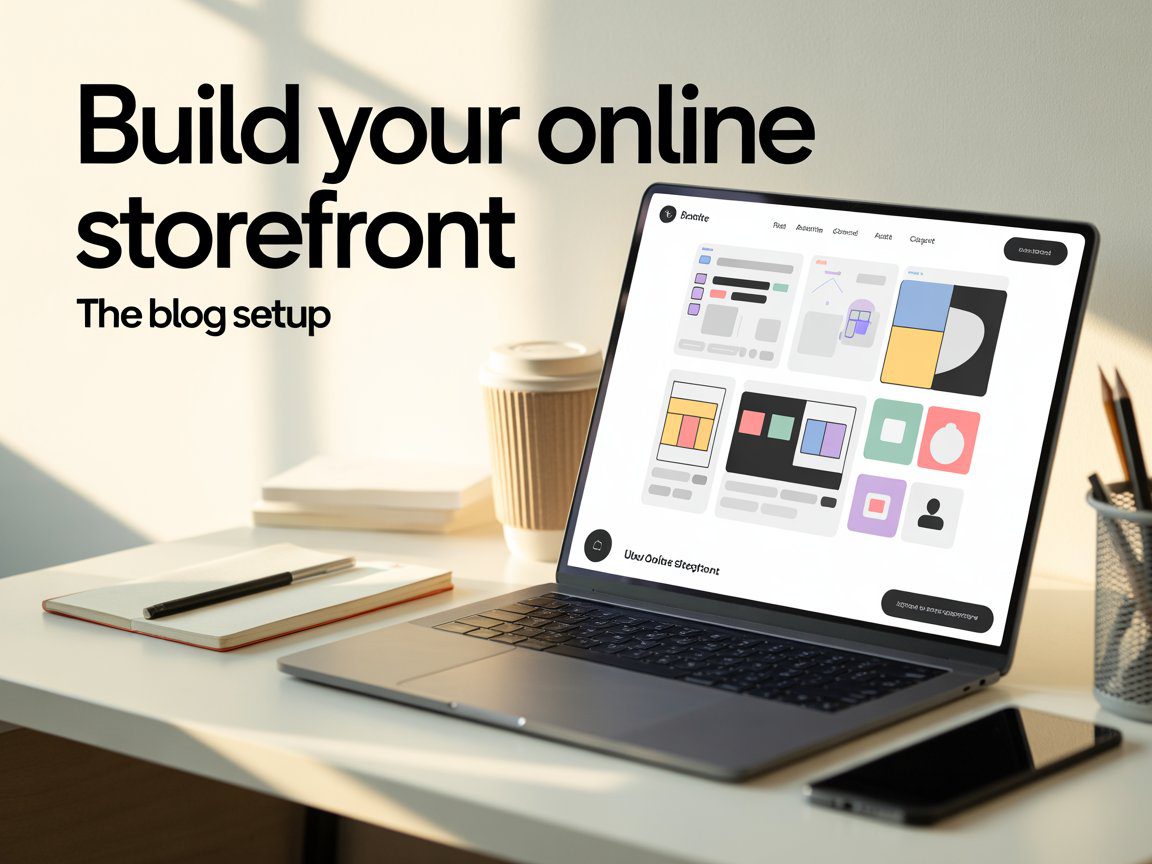
With your idea in hand, it’s time to build your home on the internet. This part trips up a lot of beginners, but it’s simpler than you think. Your blog is the one piece of the internet you truly own, safe from algorithm changes that can tank your social media reach overnight.
You have two fantastic options to get started: WordPress and Ghost.
Path #1: The Powerhouse – WordPress. It’s the industry standard, running over 43% of the entire internet. It’s endlessly customizable with a massive library of themes and plugins for everything from SEO (with tools like Yoast or Rank Math) to e-commerce. This is the go-to for maximum flexibility. To start, you’ll need a domain name (your address, like YourBlog.com) and a web hosting plan from a company like Bluehost, SiteGround, or Hostinger. They make it cheap and offer a one-click WordPress installation.
Path #2: The Modern Creator Platform – Ghost. Ghost is a sleek, fast, and powerful alternative built specifically for writers and creators. Its major advantage is that many essential features are built-in, so you don’t need a bunch of plugins. This includes excellent out-of-the-box SEO, and more importantly, native tools for creating newsletters and paid memberships—perfect for monetizing your audience directly. Its minimalist interface is often seen as easier for beginners who want to focus purely on writing.
Whichever you choose, you need a domain name and hosting. Don’t fall for “free” platforms; if you’re serious about making money, you need a self-hosted site. It’s a small investment that gives you full control.
This is one of the only essential upfront costs. I have a link in the description that will walk you through setting up hosting and get you a discount. It’s an affiliate link, meaning I get a small commission at no extra cost to you, but it’s a service I recommend because it’s reliable and perfect for new bloggers.
Once your platform is installed, pick a theme. Prioritize simplicity and speed. A slow website will lose visitors. Lightweight themes like Astra or Kadence for WordPress are fantastic and free.
Finally, set up a few essential pages:
- About Page: Don’t just talk about yourself. Frame your story to show the reader you understand their problem because you’ve been there.
- Contact Page: A simple way for readers and brands to reach you.
- Privacy Policy: A legal must-have. You can find free generators for this online.
- Start Here Page: A welcome mat that guides new visitors to your best content.
That’s it for Step 2. The entire setup can take less than an hour. Once your storefront is built, it’s time to fill it with value.
Step 3: Create Content That Serves (The Value)
Your content is your product. It’s what will attract your audience, build trust, and drive your first $1,000. Randomly writing whatever pops into your head is a recipe for failure. You need a content strategy. The best strategy is simple: find out what your audience is already asking, and answer it better than anyone else.
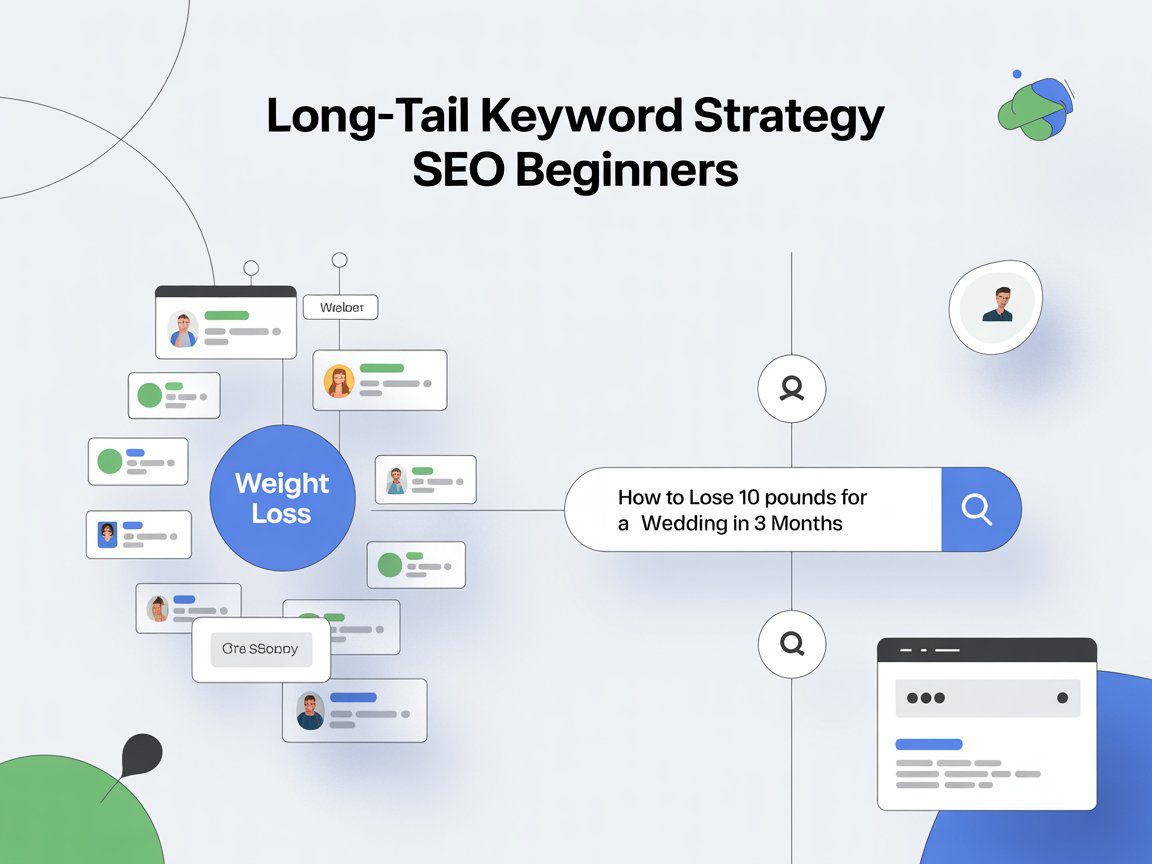
Your job is to be a problem-solver. Every post should solve one specific problem or answer one specific question. How do you find these questions? Through keyword research. This is just discovering the exact phrases people are typing into Google.
As a beginner, focus on “long-tail keywords”—longer, more specific phrases. Instead of the impossible “weight loss,” target something like “how to lose 10 pounds for a wedding in 3 months.” The person searching for that has an urgent problem. Solve it for them, and you’ll win their trust.
Use free tools like Google’s “People Also Ask” box or AnswerThePublic to find dozens of blog post ideas you know people are looking for.
Once you have your ideas, create genuinely helpful content. In 2025, quality crushes quantity. One amazing, in-depth post is better than five mediocre ones. What makes a post high-quality?
- It’s comprehensive. Aim to create the best resource on the internet for that keyword. The reader shouldn’t have to go back to Google.
- It’s easy to read. Use clear headlines, short paragraphs, bullet points, and bold text. No one likes a wall of text, especially on a phone.
- It includes visuals. Images and simple graphics make content more engaging. Use a free tool like Canva to create them.
A few types of posts work exceptionally well for traffic and income:
- How-To Guides: Step-by-step tutorials, e.g., “How to Set Up Your First Budget Spreadsheet.”
- Product Reviews: Honest, in-depth reviews are perfect for affiliate marketing.
- Comparison Posts: “Notion vs. Evernote: Which is Best for Students?” These help readers make a buying decision.
- List Posts (Listicles): “10 Free Tools to Make Money Online.” People love scannable lists.
Your goal at the start is consistency. Aim to publish one or two high-quality, SEO-optimized posts every week for the first three to six months. This signals to Google that your site is an active, reliable source of information. A streamlined platform like Ghost can make achieving this consistency feel less like a chore.
And don’t just hit publish and pray. Promote your content. Pinterest is a visual search engine that can drive traffic for months. Most importantly, start an email list from day one. Offer a freebie—a checklist or a simple guide—in exchange for an email. Your email list is a direct line to your most loyal readers. It’s an audience that you own.
Your action item for Step 3: Do your keyword research and map out your first 10 post ideas. Then write and publish your first problem-solving post.
Step 4: Monetize Your Value (The $1,000)
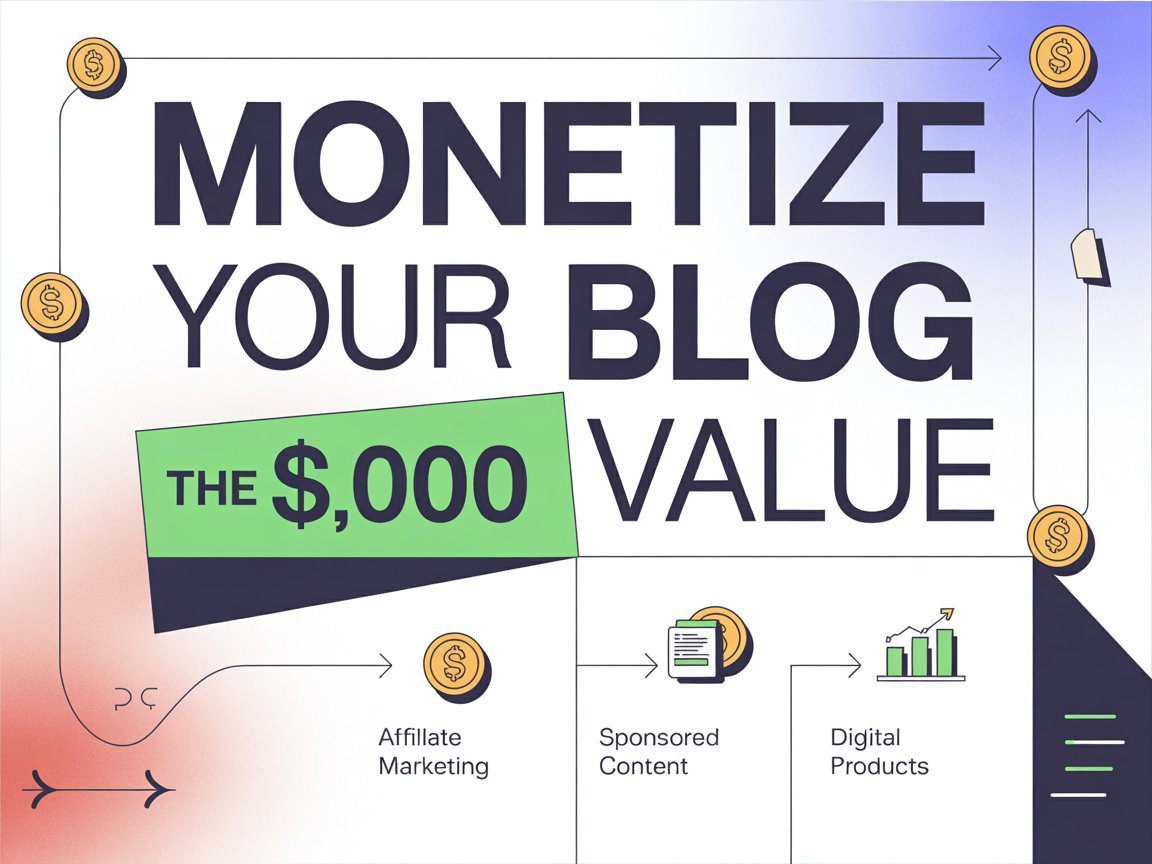
This is where it all comes together. You’ve found your audience, built your platform, and created valuable content. Now, it’s time to get paid for that value. You don’t need a huge audience to start. With the right strategy, you can make real income with just a few hundred dedicated readers.
For beginners, focus on these three paths to your first $1,000.
Monetization Method 1: Affiliate Marketing
This is the fastest way for a new blogger to make their first dollar. You simply recommend a product you love and earn a commission when someone buys it through your unique link.
Success here is built on trust. Only recommend products you genuinely use and believe in. Start with programs like Amazon Associates, but for higher earnings, look for affiliate programs for specific software or tools in your niche. You can find them on networks like ShareASale or by searching directly. The best way to promote is to weave links naturally into your helpful content. Product reviews and comparison posts are designed for this. You’re not “selling”; you’re guiding.
Let’s do some quick math: If you promote a $50/month software with a 30% recurring commission, you earn $15 every month for each person who signs up. Get just 10 people, and that’s $150 in passive income every month from a single blog post.
Monetization Method 2: Display Ads
This is the most passive income you can earn. You get paid based on how many people see the ads on your site (called RPM, or revenue per thousand impressions). When you’re new, ads won’t make much. You can start with Google AdSense, but the real goal is to qualify for premium ad networks like Raptive or Mediavine.
Their requirements changed in late 2025. Raptive now requires 25,000 monthly pageviews, with a certain percentage of that traffic coming from countries like the US, UK, or Canada. Mediavine moved away from a strict traffic-first model; you can now apply to their entry-level “Journey” program with as few as 1,000 monthly sessions and graduate to the full “Mediavine Official” tier after earning a set amount of ad revenue. Always check their current guidelines. It’s also important to know that ad revenue depends heavily on your niche and where your traffic comes from; traffic from the US in the finance niche, for example, earns significantly more than from other regions or topics.
Monetization Method 3: Your Own Low-Ticket Digital Product
This is where you take control and often the fastest way to jump to that $1,000 mark. A digital product is something you create once and sell infinitely. Think printable planners, templates, an ebook, or a short workshop.
You don’t need a 300-page masterpiece. The best beginner products solve one specific problem and are priced affordably, usually between $7 and $49. Look at your most popular blog posts. What problem can you solve in a more organized, actionable format? If you have a popular post on meal prepping, create a “$19 Healthy Meal Prep Planner.” Platforms like Gumroad or Podia make selling easy.
If you sell a $27 guide, you only need about 37 sales to hit $1,000. With an email list of just 200 engaged subscribers, that is completely achievable.
This potential timeline is ambitious and depends heavily on your niche and effort, but it shows what’s possible:
- Months 1-3: Focus intensely on creating SEO-optimized content and placing some affiliate links. You might make your first $50-$100 here.
- Months 4-6: As traffic picks up, your affiliate income could grow to $100-$300 per month.
- Months 7-12: With steady traffic, consistent affiliate income, and a small digital product launched to your email list, you can push toward the $1,000/month goal, especially as you get closer to qualifying for a premium ad network.
Conclusion
That’s it—the four-step blueprint to your first $1,000 blogging. It’s not magic; it’s a formula.
Step 1: Find Your Profitable Idea. Go beyond passion to solve a specific problem for a proven market.
Step 2: Build Your Online Storefront. Get your own piece of the internet with a self-hosted WordPress or Ghost blog.
Step 3: Create Content That Serves. Become a problem-solver and consistently publish high-value content that people are searching for.
Step 4: Monetize Your Value. Combine affiliate marketing, display ads, and your own simple digital product.
Earning that first $1,000 is the hardest part. It’s your proof of concept. It’s the moment you realize this isn’t just a dream, but a viable business. Many people quit in the first few months when it feels like they’re publishing into a void. But the work you do in those early months is like planting seeds. It takes time, consistency, and patience. If you follow this process and focus on genuinely helping your audience, those seeds will grow.
You don’t need to be perfect; you just need to start. Pick your niche. Write that first post. The journey from zero to a thousand dollars begins with that first step. You have what it takes.
If you found this helpful and you’re ready to take action, make sure to follow for more no-fluff guides. As your first step, I’ve created some free resources, as well as comprehensive guides and a coaching program here: https://stan.store/loriballen
Hey there! Just a quick heads-up: some of the links on this site are affiliate links, meaning I may earn a small commission if you make a purchase (including through the Amazon Associates program), at no extra cost to you. Occasionally, products featured here are gifted by brands.
I also use AI tools to help research and create content for you! While I love sharing strategies to help you succeed, please remember that everyone's journey is unique—individual results vary, and there are no guarantees. Thanks so much for stopping by!


