
Everyone thinks you need to invent the next Facebook or become a celebrity influencer to get wealthy. But what if I told you the quietest businesses are actually making the loudest money?
You don’t need some revolutionary, world-changing idea. You just need a laptop and one of the 25 surprisingly simple businesses I’m about to break down for you. These are the low-key ventures making people rich without all the public stress or insane startup costs. Let’s get into it.
1. Print-on-Demand Stores

Coming in at number one is the business of Print-on-Demand, or POD. Here’s the deal: you get to design custom products like t-shirts, mugs, phone cases, and posters without ever touching a single piece of inventory. You just create the designs, and a third-party company handles all the printing, packing, and shipping directly to your customer. It’s a beautifully simple system that completely removes the financial risk of buying a garage full of stock that might not sell.
The reason print-on-demand is such a powerhouse is the crazy market growth and high-profit potential. The global print-on-demand market was valued at about $8.93 billion in 2024 and is projected to explode, reaching over $57 billion by 2033. That’s some serious growth, fueled by a consumer trend that’s only getting stronger: people want unique, personalized stuff. They’re tired of generic, mass-produced goods. They want items that reflect their personality and their passions, and they’re willing to pay more for it. Profit margins can sit in a very healthy 20% to 50% range, depending on your niche and how you price your products.
So, how do you start?
First, choose a niche. Don’t try to sell everything to everyone. Focus. Maybe it’s witty designs for dog lovers, minimalist art for home decor, or motivational quotes for entrepreneurs. Next, create your designs. You can use free tools like Canva for simple text-based designs or more advanced software like Adobe Illustrator if you have the skills. Finally, set up a storefront on a platform like Etsy or
Learn more about starting a print-on-demand business here.
2. Niche Affiliate Marketing Websites
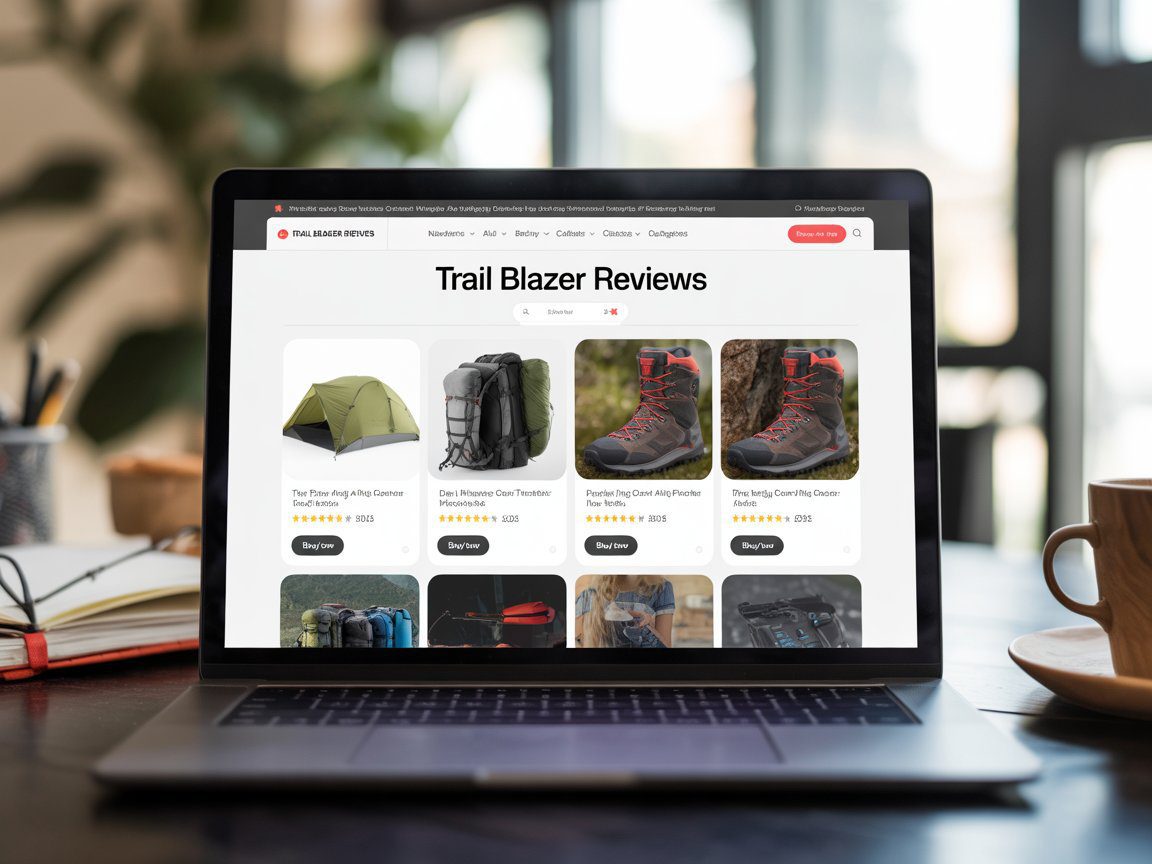
Next up: a classic, seriously powerful way to build passive income: niche affiliate marketing websites. The concept is pretty straightforward. You build a website or a blog focused on a super-specific topic—let’s say, ‘eco-friendly coffee makers’ or ‘gear for solo female travelers.’ You then create high-quality content like reviews, buying guides, and how-to articles. Inside that content, you place special links, called affiliate links, to products on sites like Amazon or other online stores. When a reader clicks your link and buys something, you earn a commission. It’s that simple.
The beauty of this model is that it’s scalable and can become truly passive. Once your content is up and optimized for search engines (that’s called SEO), it can attract visitors and make you money for years with very little ongoing work. You’re not just chasing trends; you’re building a real, long-term asset that people trust. The most profitable niches are often the ones with evergreen demand—topics people are always searching for, like health and wellness, personal finance, or popular hobbies. In 2025, sub-niches in tech, like smart home automation and gaming gear, are especially hot.
Your first step is the most important: picking your niche. Don’t go too broad. Instead of “travel,” think “backpacking in Southeast Asia on a budget.” Use keyword research tools to see what people are searching for and find a topic with enough interest but not impossible competition. Second, build your site. WordPress is the industry standard for its flexibility. Finally, start creating that valuable, SEO-friendly content. Write detailed reviews, compare top products head-to-head, and create helpful guides that actually solve a problem for your reader.
Once you have traffic, you can apply to affiliate programs like Amazon Associates or ShareASale to get your links and start monetizing.
Learn how to build your niche affiliate website business here.
3. Digital Product Sales

At number three, we have one of the most profitable models on this entire list: selling digital products. Unlike a t-shirt or a coffee mug, a digital product—an eBook, an online course, a set of design templates, or a software tool—has virtually zero cost to replicate. You create it once, and you can sell it an infinite number of times without ever worrying about inventory, shipping, or manufacturing. This leads to sky-high profit margins you just can’t get with physical products.
The demand for digital goods is booming. We live in an information-first world where people are constantly looking for ways to learn new skills, solve problems, and improve their lives. The online education market alone is expected to hit over $203 billion in 2025. People are eagerly buying everything from spreadsheet templates that simplify their work to online courses that teach them a new skill. The key is to package your knowledge or talent into a downloadable format. This model offers true passive income; once the product is created and your sales page is set up, it can make you money 24/7.
Getting started here is all about leveraging what you already know. First, identify a skill or passion you have. Are you a wizard with spreadsheets? Create a bundle of advanced budget templates. Are you a talented graphic designer? Sell a pack of social media templates for small businesses. Second, create the actual product. This could be as simple as writing an eBook in Google Docs and saving it as a PDF or recording a video course with your smartphone. Finally, you need a way to sell it.
You can use platforms like Etsy for templates and digital art, or build your own simple store using services like Gumroad or Podia, which are made specifically for selling digital goods.
Learn which digital products are selling the best this year here.
4. Dropshipping E-commerce
Number four is dropshipping, a business model that completely changed the game for entrepreneurs on a budget. In short, dropshipping lets you run a full-fledged online store without holding any inventory yourself. You partner with a supplier who stocks all the products. When a customer buys something from your website, you just forward that order to the supplier, who then ships the product directly to the customer. Your profit is the difference between what the customer paid you and what you paid the supplier. It’s a super low-risk way to get into e-commerce.
The main advantage is the incredibly low upfront investment. You don’t need thousands of dollars to buy inventory that might just sit in your garage. Your focus isn’t on logistics; it’s on marketing, branding, and customer service. And the global dropshipping market is thriving, valued at over $365 billion in 2024 and expected to cross the $1.2 trillion mark by 2030. But let’s be clear, while it’s low-risk, this isn’t a magic button for free money. The success rate for dropshipping businesses is estimated to be between 10% and 20%, which shows how important having a solid strategy is.
Success comes down to finding the right products, building a strong brand, and getting good at digital marketing.
Your first step is deep product and niche research. Don’t just sell what everyone else is selling. Look for products that solve a problem, cater to a passionate hobby, or are tough to find in regular stores. The fashion and apparel category is huge in dropshipping, but the key is to find a specific sub-niche within it. Your second step is to find a reliable supplier on platforms like AliExpress, CJdropshipping, or Zendrop. A good supplier is everything when it comes to product quality and shipping times.
Finally, build your store using a platform like
If you want to learn more about starting a dropshipping business, you can do that here.
5. Online Course Creation and Teaching

If you have a skill that other people want to learn, business idea number five, creating and selling online courses, could be your ticket. The world has shifted to digital learning, and the demand for high-quality online education is at an all-time high. People are eager to learn everything from coding and digital marketing to sourdough baking and watercolor painting, all from home. The market is absolutely booming, expected to be worth over $203 billion in 2025 and growing fast.
What makes this so powerful is the “create once, sell forever” model. You put in the time and effort upfront to record your lessons and create your materials. But once it’s launched, that course can generate passive income for years. You’re not trading your time for money anymore. You’re packaging your knowledge into a valuable asset that works for you around the clock. The online learning industry has seen monumental growth—over 900% since the year 2000—making it the fastest-growing market in the entire education sector. This isn’t a fleeting trend; it’s a fundamental change in how we learn.
So, where do you start? First, identify your teachable topic. What are you an expert in? What do your friends always ask you for help with? It doesn’t have to be academic; it just has to be something people want to learn and are willing to pay for. Second, validate your idea. Before you build the whole thing, talk to potential students, run a poll on social media, or even pre-sell your course to make sure people actually want it. Finally, create and host your course. You can use platforms like Teachable, Stan store or Kajabi, which give you all the tools you need to build, market, and sell your course without being a tech genius. They handle video hosting, payments, and student management, making it easy for anyone to become a digital teacher.
If you want to learn more about starting an online course creation business, you can do that here.
6. Digital Marketing Services Consultant

For those of you who have a knack for strategy and analytics, number six is becoming an SEO or digital marketing consultant. Let’s be real, in today’s world, a business without an online presence is practically invisible. Search Engine Optimization (SEO) is the art of getting a website to rank higher on Google. Businesses know they need it, but most have no clue how to do it right. That’s where you come in. As a consultant, you can offer services like SEO audits, content strategy, social media management, or running paid ad campaigns.
This is a low-key business with incredibly high income potential because you’re selling valuable expertise, not a physical thing. Your main startup costs are a computer, internet, and a few key software tools. The demand is huge and isn’t going anywhere. Small and medium-sized businesses are desperate for help figuring out the confusing world of digital marketing. You can start as a solo freelancer and eventually scale up by hiring other specialists to create your own agency. The pricing is great, too, with many clients paying monthly retainers. A small business might pay anywhere from $1,000 to $3,000 a month, and larger companies invest way more.
To get started, the first step is to build your expertise. If you’re new to this, immerse yourself in learning. There are countless free and paid resources online to master the fundamentals of SEO, content marketing, and social media. Second, get some hands-on experience. Offer your services for free or cheap to a local non-profit or a friend’s small business to build a portfolio and get your first testimonials. This real-world experience is priceless. Finally, start marketing yourself. Create a professional website showing off your skills and case studies.
Use platforms like LinkedIn and Upwork to find your first paying clients. As you deliver results, word-of-mouth referrals will become your most powerful way to get new clients.
You can learn more about becoming a digital marketing consultant here.
7. Niche Content Creation (YouTube, Podcasting, Blogging)

At number seven, we have the creator path: building a business around niche content. This means starting a YouTube channel, a podcast, or a blog focused on a very specific audience. The keyword here is “niche.” Instead of a general channel, you create content for a dedicated community, whether it’s vintage watch enthusiasts, urban gardeners, or fans of a specific video game. By becoming a trusted voice in a focused area, you build a loyal audience that is super valuable to advertisers and sponsors.
The cool part is how you make money. It’s not just one thing. You can earn from ad revenue (like on YouTube), brand sponsorships, affiliate marketing (recommending products you love), and even selling your own merchandise or digital products. This diversification makes your business strong and resilient. The most successful creators build a deep, real connection with their audience. They aren’t just entertainers; they are community leaders and trusted friends. That trust is the foundation of their business and lets them monetize their platform without selling out.
Your first step is to choose your niche and your platform. Pick a topic you’re genuinely obsessed with, because you’ll be creating a ton of content about it. Then decide where your strengths are—video (YouTube), audio (podcasting), or writing (blogging). The second step is to just start creating and publishing consistently. Your first few videos or posts won’t be perfect, and that’s totally fine. The goal is to get started, learn as you go, and get better over time. Focus on being authentic and providing real value. Your final step is to engage with your community. Respond to comments, ask for feedback, and build a real conversation. As your audience grows, the money-making opportunities will naturally follow.
If you like to learn more about becoming a content creator, read this guide.
8. Subscription Box Services

Number eight is a business model that taps into the thrill of getting a surprise package over and over again: the subscription box. You curate a selection of niche products and deliver them to your customers’ doorsteps every month or quarter. The possibilities here are endless, from gourmet coffee and international snacks to eco-friendly cleaning supplies and dog toys. This model can be managed almost entirely online, with your main job being sourcing products, marketing, and keeping customers happy.
The magic of the subscription box is predictable, recurring revenue. Instead of chasing one-off sales, you have customers who pay you automatically every single month. That financial stability is a dream for any business owner. It also lets you build a powerful community around your brand. Subscribers feel like they’re part of an exclusive club, getting a curated experience that’s tailored just for them. This sense of community leads to amazing customer loyalty and keeps people subscribed, as long as your boxes continue to be awesome.
To launch a subscription box, your first move is to nail down your niche and ideal customer. Who are you serving? What are they passionate about? A box for “new moms” is good, but a box for “eco-conscious new moms who love organic products” is even better. The more specific you are, the easier it is to market. Your second step is to source your products. You can partner with wholesalers, work with local artisans, or even include your own branded items. Focus on creating a unique and high-quality “unboxing” experience. Finally, you need a website that can handle recurring billing. Platforms like
If you would like more info on starting a subscription box business, grab your guide here.
9. Website Flipping

For those who enjoy building and improving digital things, number nine is website flipping. Just like flipping houses, this business is all about buying undervalued websites, fixing them up, and then selling them for a profit. The “fixing up” part can mean a lot of things: redesigning the site, improving its SEO to get more traffic, creating better content, or finding better ways to make money from it.
This can be a high-return business if you understand what makes a website valuable. The profit comes from your ability to spot potential and add real value. You might buy a blog with decent content but a terrible design for a few thousand dollars. By redesigning it, optimizing its articles for search engines, and building some links, you could double or triple its monthly income and then sell it on a marketplace for a significant multiple of that monthly profit. It’s project-based work that can land you big, one-time paydays.
Getting into website flipping requires a good handle on digital marketing. First, you need to educate yourself on how websites are valued, which is usually a multiple of their monthly net profit. Get familiar with marketplaces like Flippa and Empire Flippers to see what’s selling and for how much. Your second step is to find your first project. Start small. Look for a site with “good bones”—maybe it has a solid base of content but is failing in one specific area you know you can fix, like SEO or monetization. Finally, once you buy a site, get to work on your improvement plan. Track your progress carefully, showing clear growth in traffic and revenue. This data will be your key selling point when you list the site for sale.
Read this article if you would like to learn more about starting a website flipping business.
10. Virtual Assistant and Freelance Services

At number ten is one of the most accessible online businesses you can start right now: offering virtual assistant (VA) or other freelance services. A virtual assistant provides all sorts of help to clients remotely—administrative, technical, or creative. The range of services is huge and can include managing emails, scheduling appointments, posting on social media, customer support, bookkeeping, and data entry. As more businesses operate online, the demand for skilled VAs has just exploded.
The beauty of this business is the super-low barrier to entry. If you have a computer, an internet connection, and you’re organized and reliable, you can start a VA business. Startup costs are next to nothing, and you can offer services based on the skills you already have. It’s a flexible business you can start part-time and grow into a full-time income. You get to choose your clients, set your own hours, and work from literally anywhere. You can start as a general VA and then specialize in a high-demand area like social media management or podcast editing to charge higher rates.
Your first step is to figure out what services you’ll offer. Make a list of your skills. Are you great at organizing? Offer calendar and email management. Do you live on social media? Offer to manage a business’s Instagram account. The second step is to set your prices. You could charge an hourly rate or offer monthly retainer packages for a set amount of work. See what other VAs with your skills are charging to get an idea. Finally, find your first client. Create a profile on freelance platforms like Upwork or Fiverr. Network on LinkedIn. Don’t be afraid to reach out to small business owners you admire and pitch your services. Once you land that first client, do amazing work, and your reputation will fuel your growth.
You can learn more about opening a virtual assistant business here.
11. App and Web Development

If you have tech skills or are willing to learn them, business idea number eleven, app and web development, has massive earning potential. Every business, from the local coffee shop to a global corporation, needs a professional website. On top of that, many are looking to create custom mobile apps or special software to better serve their customers. As a developer, you can build these custom solutions for clients or—and this is where the big money is—create your own Software as a Service (SaaS) product.
The profitability here is off the charts. Custom web development projects can bring in thousands or even tens of thousands of dollars. The real golden goose, though, is the SaaS model. By creating a software solution that solves a common problem and charging a monthly subscription for it, you can build a hugely scalable business with recurring revenue. Just think of all the tools you use every day that work on this model. While this path definitely requires technical expertise, it’s one of the few on this list that can lead to a true multi-million-dollar business without needing a huge team or outside funding.
To start down this path, your first step is obvious: get the skills. If you’re not already a developer, dedicate yourself to learning a programming language and framework. There are tons of online bootcamps and courses that can take you from beginner to job-ready. Your second step is to build a portfolio. Create your own projects—build a cool website for a fake company, develop a simple mobile app, or contribute to an open-source project. This portfolio is your proof that you can do the work and is essential for landing clients. Finally, start freelancing to build experience and income. Use platforms like Toptal or network in tech communities. As you work with clients, always be on the lookout for common problems that could be solved with a SaaS product—that’s where the biggest opportunities are hiding.
If you would like to learn more about starting an app and web development business, start here.
12. Self-Publishing eBooks and Audiobooks

Number twelve is for all the writers and storytellers out there: self-publishing. Thanks to platforms like Amazon’s Kindle Direct Publishing (KDP), it has never been easier to write a book and get it in front of a global audience, without needing a traditional publisher’s permission. You can write fiction, non-fiction, how-to guides, or children’s books. And it’s not just about eBooks; the audiobook market is also booming, and you can easily turn your book into an audio version to create another income stream.
This is a fantastic low-key business because, like other digital products, it’s a “create once, sell forever” deal. After you put in the time to write and edit your book, it can keep selling and generating passive income for years. You have complete creative control and you earn a much higher royalty (up to 70% on Amazon) than you ever would with a traditional publisher. With a good marketing plan, a single successful book can create a steady stream of income, and a series of books can build a full-time author career.
Your first step is to write the book. This is the hardest part, but it’s the foundation of everything. Choose a genre you’re passionate about. For non-fiction, focus on solving a real problem for the reader. For fiction, focus on telling a story people can’t put down. The second step is to invest in professional editing and cover design. Do not skip this. A polished book with a professional-looking cover is infinitely more likely to sell. This is the most important investment you will make. Finally, publish and market your book. Upload it to Amazon KDP, set your price, and write a killer book description. Then, focus on getting those first crucial reviews by promoting it to your network and using Amazon’s own ad platform to find new readers.
Alright, we’re about halfway through, and if you’re getting a ton of value from these ideas, I encourage you to be part of our community. We release content like this every single week to help you find financial freedom. Okay, let’s get back to the list.
13. AI-Assisted Content Strategy and Ghostwriting
Kicking off the second half at number thirteen is a modern twist on a classic service: AI-assisted content strategy and ghostwriting. Businesses are desperate for high-quality content like blog posts, social media updates, and newsletters to attract customers. The rise of powerful AI writing tools like ChatGPT has created a brand new opportunity for smart entrepreneurs. You can now use these tools to massively boost your efficiency, letting you produce more content, serve more clients, and make a lot more money.
The key to this business isn’t just letting the AI do all the work. The real value you provide is the human touch. AI tools are great for generating first drafts and brainstorming ideas, but they often lack the nuance, brand voice, and strategic thinking that a human expert brings. Your job is to be the “AI pilot”—guiding the tool, editing the output, and making sure the final product is strategic, accurate, and perfectly matches the client’s voice. This lets you offer content services at a speed and scale that was impossible before, creating a super profitable business.
To start this business, your first step is to master a few key AI tools. Spend time learning the art of “prompt engineering”—which is just a fancy way of saying you know how to give the AI the right instructions to get the best results. Your second step is to create a portfolio that shows you can create top-notch, AI-assisted content. You could start your own blog to show off your skills. Finally, market your unique service. Position yourself not just as a writer, but as an AI content strategist who can help businesses scale their content marketing efficiently. Reach out to marketing agencies and small businesses on LinkedIn, offering a service that solves their biggest content headache.
There’s more on building a self-publishing business here.
14. Selling Niche Templates and Digital Assets

Number fourteen is another brilliant digital product business: selling niche templates and digital assets. Think about all the professionals, students, and creators who need to make high-quality documents but don’t have the time or design skills. You can create and sell templates for things like presentations, resumes, social media graphics, website layouts, or even complex spreadsheets. These are digital assets that act as a massive shortcut for your customers.
This is pretty much a perfect passive income business. You invest the time to create a great template once, and you can sell it thousands of times with no extra effort. The profit margins are insane because there are no physical production or shipping costs. The key to success is focusing on a specific niche. Instead of “presentation templates,” think “pitch deck templates for tech startups.” Instead of “resume templates,” think “resume templates for creative professionals.” By targeting a specific audience, you can create a product that perfectly meets their needs and you can charge a premium for it.
Your first step is to find a niche and a need. What kind of documents do people in a certain industry struggle with? What templates would save them hours of work? Check out forums, social media groups, and freelance sites to see what people are asking for help with. Your second step is to create your templates. Use the software that your target audience already uses, like PowerPoint, Google Slides, or Canva. Focus on quality, ease of use, and professional design. Finally, sell your templates on a marketplace. Etsy is fantastic for all kinds of templates. Creative Market is another great option for design assets. You can also sell them directly from your own website using a dead-simple service like Gumroad.
If you want to learn more about selling templates as a business, you can start here.
15. Online Fitness Training and Coaching
At number fifteen, we have a business that absolutely exploded in the remote era: online fitness training and coaching. More people than ever are looking for convenient and personalized ways to get fit without going to a gym. As an online coach, you can offer one-on-one virtual training sessions, create personalized workout and nutrition plans, or run group fitness classes over video calls.
The power of this model is its scalability and freedom. You’re no longer limited by your physical location. You can train clients from all over the world, right from your living room, which dramatically expands your potential client base. What’s more, you can move beyond one-on-one training and create more scalable options. You could run a group “bootcamp” program for 20 people at once, or even create a pre-recorded fitness course that generates passive income. This lets you stop trading your time directly for money, which leads to a much higher earning potential.
To get started as an online fitness coach, your first step is to get certified. A personal training certification from a reputable organization is crucial for your credibility and for making sure you’re giving safe and effective advice. Your second step is to define your niche. Who do you want to help? Post-natal mothers, busy executives, or seniors looking to improve their mobility? Specializing will make your marketing way more effective. Finally, start building your online presence. Share valuable fitness tips, workout clips, and client success stories on a platform like Instagram or TikTok. Offer a free consultation or a trial session to get your first clients. As you build your reputation, you can introduce more scalable, high-ticket programs.
16. Social Media Consulting and Management
Number sixteen is for the social media savvy: becoming a social media consultant or manager. Almost every business knows they should be on social media, but very few have the time or skill to do it well. They struggle with what to post, when to post, and how to actually talk to their audience. As a social media manager, you take this entire task off their plate, helping them grow their brand, connect with customers, and drive sales.
This is an excellent low-key business because you can run it entirely from your laptop with almost no overhead costs. The demand is incredibly high from businesses of all sizes, from the local bakery to big e-commerce brands. You can offer a range of services, from high-level strategy down to the day-to-day posting and comment replies. The best part is the recurring revenue model. Clients will typically pay you a monthly retainer fee, which can range from a few hundred to several thousand dollars per client, giving you a stable and predictable income.
Your first step is to pick a platform and become a true expert on it. Instead of trying to master everything, become the go-to expert for Instagram marketing for restaurants, or LinkedIn for B2B consultants. This specialization lets you get better results and charge higher fees. Your second step is to create case studies. You can do this by growing your own social media accounts or by offering to manage a friend’s business account for a short time. Document the growth you achieve. Finally, start looking for clients. Your portfolio of results is your best marketing tool. Reach out to businesses in your chosen niche that have a weak social media presence and show them exactly how you can help.
17. Voice Acting and Audio Services
If you have a distinctive voice and a bit of a flair for performance, idea number seventeen, voice acting and audio services, could be your calling. The demand for high-quality voice-over work is massive. It’s needed for commercials, animated videos, corporate training, video games, phone systems, and one of the biggest markets of all: audiobooks. With a decent microphone and some basic audio editing software, you can set up a home studio and audition for jobs from anywhere in the world.
This business is fantastic because it lets you work on a flexible, project-by-project basis from home. As you build your skills and your portfolio, you can start to command some impressive rates. A single audiobook project can pay thousands of dollars. It’s a field where your unique talent—your voice—is your main asset. While it’s competitive, finding a niche, like character voices for video games or a warm, authoritative tone for corporate videos, can help you stand out and build a steady flow of clients.
To get started in voice acting, your first step is to invest in a quality microphone and learn the basics of recording and editing. You don’t need a million-dollar studio, but a clear, professional-sounding recording is non-negotiable. A good USB condenser microphone is a great place to start. Your second step is to practice and create a demo reel. Your demo is your audio resume. It should be a short, slickly produced compilation that shows off your vocal range and the types of work you can do. Finally, start auditioning. Create profiles on platforms like Voices.com and Backstage, which are hubs for voice-over jobs. It’s a numbers game at first, but with persistence and talent, you will land those first gigs that get your career started.
18. Language Translation Services
The world is more connected than ever, and that’s created a huge opportunity for business idea number eighteen: language translation services. Companies are constantly expanding into international markets and need to communicate with customers in their native language. This requires translating everything from websites and marketing materials to legal documents and software. If you’re fluent in more than one language, you have a highly valuable and marketable skill.
This is a perfect low-key, laptop-based business. The startup costs are basically zero—you just need your language skills and a computer. You can work with clients from all over the globe on a flexible schedule. The demand for skilled translators is strong and growing; the global language services market is projected to be worth about $75.7 billion in 2025. To boost your earning potential, you can specialize in a particular industry, like legal, medical, or technical translation, where accuracy is critical and clients will pay a premium for your expertise.
Your first step is to clearly define your language pairs and your areas of specialization. For example, you might specialize in translating marketing copy from English to Spanish, or technical manuals from German to English. Your second step is to create a professional profile and portfolio. Translate some sample documents to show off the quality of your work. Get any relevant certifications if they’re common for your language pair, as this adds to your credibility. Finally, start finding clients. Create profiles on freelance platforms like Upwork and ProZ.com, which is a major hub for translation professionals. You can also directly contact companies that you know operate in countries whose languages you speak.
19. Online Bookkeeping and Accounting
For those of you who are detail-oriented and good with numbers, number nineteen is starting an online bookkeeping or accounting business. Every single business, from a solo freelancer to a large corporation, has to keep accurate financial records. It’s a legal requirement, and it’s essential for making smart business decisions. The thing is, many small business owners are either too busy or just not skilled enough to handle it themselves. By offering remote bookkeeping services, you provide a critical solution to a universal business problem.
The appeal of this business is its stability and recurring revenue. Bookkeeping isn’t a one-time project; it’s an ongoing monthly need. When you sign a client, you’re likely signing them up for a long-term relationship with a predictable monthly fee. This creates a very stable and scalable business. With modern cloud-based accounting software like QuickBooks Online or Xero, you can serve clients anywhere in the world, right from your home office. The demand is constant, since new businesses are always starting and needing financial help.
Your first step, if you don’t already have an accounting background, is to get educated and certified. A certification in a major accounting software like QuickBooks Online will give you both the skills and the credibility you need. Your second step is to decide on your services. Will you offer basic monthly bookkeeping, payroll, or more advanced financial reporting? You can also choose to specialize in an industry, like e-commerce or construction, which have unique bookkeeping needs. Finally, find your first clients. Network with other professionals who serve small businesses, like lawyers and web developers. Join local business groups and let people know what you do. Delivering accurate, reliable work will lead to strong referrals, and that’s how your business will really grow.
20. Selling Handmade Products via Online Marketplaces
If you have a creative hobby and a passion for making things with your hands, idea number twenty is to turn that hobby into a real business by selling your handmade goods online. Whether you create jewelry, candles, knitted goods, or custom artwork, there are huge audiences of people who are actively looking for unique, high-quality handmade products. Platforms like Etsy have made it incredibly easy for artisans to set up a professional shop and reach millions of potential customers.
The beauty of this business is that you get to monetize your creativity and build a brand around something you truly love. Unlike selling mass-produced junk, you’re selling a piece of your story and your craftsmanship. That authentic connection is a powerful marketing tool. The market for handmade goods is huge, with platforms like Etsy having around 95 million active buyers. These buyers are specifically looking for the unique items that you can create—stuff they just can’t find in a big-box store.
Your first step is to perfect your product and your branding. What makes your product special? Focus on quality and developing a unique style that will make your shop stand out. Your second step is to master product photography. On platforms like Etsy, your photos are your most important sales tool. You don’t need expensive gear; good lighting and a clean background can make all the difference. Take photos from multiple angles and show your product being used. Finally, open your shop and optimize your listings. Use clear, descriptive titles and tags with keywords that buyers are likely to search for. Provide amazing customer service to earn those all-important five-star reviews, which will help your shop get seen and build trust with new customers.
21. Influencer Marketing and Brand Sponsorships
At number twenty-one, we have a business model that’s all about leveraging a personal brand: influencer marketing. This is a step beyond just creating content. It’s about strategically building a following on social media around a specific niche and then partnering with brands to promote their products to your audience. This could be through sponsored posts, stories, or videos. The absolute key is that the brands you partner with are a natural fit for your audience.
The profitability here comes from the trust you build with your followers. When you have an engaged audience that trusts your recommendations, that influence is incredibly valuable to brands. A single sponsored post can pay anywhere from a few hundred to tens of thousands of dollars, depending on the size and engagement of your audience. The best influencers aren’t just walking billboards; they’re tastemakers and experts in their niche. They carefully choose their brand partners to protect their authenticity, which is their most valuable asset.
Your first step is to build an audience around a niche you are genuinely passionate about. Consistency and authenticity are everything. Share valuable, entertaining, or inspiring content on a regular schedule to attract and keep followers. Your second step is to engage with your community. Reply to comments and DMs, and create a sense of belonging. An engaged audience is way more valuable than a large, silent one. Once you have a solid, engaged following (and you don’t need millions of followers; even a few thousand in a specific niche is valuable), you can start looking for brand partnerships. Create a media kit that shows off your audience demographics and engagement stats. You can then reach out to brands directly or join influencer marketing platforms that connect creators with companies.
22. Creating Exclusive Content on Subscription Platforms
Number twenty-two is a powerful direct-to-fan business model: creating exclusive content on subscription platforms. Services like Patreon or Instagram Subscriptions let your most dedicated followers pay a small monthly fee in exchange for access to premium content. This could be anything from behind-the-scenes videos and early access to your public content, to exclusive tutorials, a private community chat, or even one-on-one time with you.
This is a great model because it creates a predictable, recurring revenue stream that doesn’t depend on fickle algorithms or ad revenue. It lets you get paid for your creative work directly from the people who value it the most. You’re not at the mercy of brand deals or fluctuating YouTube ad rates. This model also builds a much deeper connection with your superfans, creating a tight-knit community. For creators with a loyal but smaller audience, this can often be way more profitable than trying to make money from ads on a larger, less engaged audience.
To get started with this, you first need to have an existing audience, even a modest one, on a platform like YouTube, Instagram, or a podcast. You need a core group of people who already love your free content. Your second step is to brainstorm what kind of exclusive content or perks you can offer. What would your most loyal fans actually be willing to pay for? The key is to offer real value they can’t get for free. Finally, launch your subscription. Announce it to your existing audience and clearly explain the benefits of becoming a paying member. Make your subscribers feel special and consistently deliver on the value you promised to keep them happy and subscribed month after month.
Alright, we are heading into the final stretch. Stick around for idea number 25, because it’s one of the easiest to start and has some of the highest profit margins I’ve seen in any online business. You do not want to miss it.
23. Developing and Selling WordPress Themes or Plugins
At number twenty-three, for the tech-savvy folks, is developing and selling WordPress themes or plugins. WordPress is the world’s most popular website-building platform, powering a massive 43.2% of all websites on the entire internet. This huge user base creates an equally huge market for themes (which control a site’s design) and plugins (which add new features). If you can create a high-quality theme or a plugin that solves a common problem, you could have a massive bestseller on your hands.
This is an incredibly scalable business. Like other digital products, you build the theme or plugin once, and you can sell it an infinite number of times through marketplaces like ThemeForest or directly from your own website. A single popular plugin can generate millions of dollars in revenue. While it does require a high level of technical skill in web development (specifically PHP, HTML, CSS, and JavaScript), the potential rewards are enormous. It’s a way to turn your coding skills into a product-based business with passive income potential, instead of just trading your time for money as a freelancer.
Your first step is to immerse yourself in the WordPress world. Understand what makes a good theme or a useful plugin. Identify a need in the market. Look at the current bestsellers and see if you can create something better, or find a niche that’s being ignored. For example, maybe a plugin built specifically for yoga studios or real estate agents. Your second step is the development itself. This is the heavy lifting. Focus on creating a product that is not only functional but also well-documented and easy for non-technical people to use. Finally, you need to launch and market your product. Submit it to a major marketplace or build a dedicated website for it. Providing excellent customer support in the early days is crucial for building positive reviews and getting that initial momentum.
24. Starting a Boutique Digital Marketing Agency
Number twenty-four is how you scale your freelance success: starting a boutique digital marketing agency. This is the next evolution of being a solo SEO or social media consultant. Instead of doing all the work yourself, you build a small, specialized team and take on bigger clients and more complex projects. You might focus on a specific niche, like marketing for e-commerce brands, or a specific service, like pay-per-click (PPC) advertising.
The advantage of the agency model is leverage. You’re no longer limited by the number of hours you can personally work in a day. By hiring other specialists, you can serve more clients and generate way more revenue. As the agency owner, your role shifts from being the one doing the work to being a strategist and a business manager. You focus on sales, client relationships, and managing your team. This allows you to build a much larger and more valuable business than you ever could as a solo operator. A small, efficient agency can easily clear six or even seven figures in annual revenue.
Your first step is to establish yourself as a successful freelancer. You need a proven track record of getting results for clients before you can start an agency. Your freelance work will provide the initial cash flow and the case studies you need to land those bigger agency-level clients. Your second step is to define your agency’s niche. Don’t try to be a full-service agency that does everything. Be the best in the world at one specific thing, like “Facebook Ads for local service businesses.” This focus will make your marketing easier and your results better. Finally, make your first hire. This could be a part-time contractor to help with the client work. As you get more clients, you can continue to build out your team, delegating the technical work so you can focus on growing the business.
25. Niche Podcasting with Monetization
And finally, at number twenty-five, the golden nugget I promised you. It’s niche podcasting. Now, podcasting has been around for a while, but the opportunity has never been better for people who target a specific, underserved audience. The key is to go deep, not broad. Instead of a general “business” podcast, you could start a podcast specifically for “owners of physical retail stores” or a podcast about “the history of a specific video game series.” By creating content for a passionate and well-defined group, you build an incredibly valuable and monetizable audience.
The reason this is such a powerful, low-key business is the intimate connection you build with your listeners. When someone has your voice in their ears for 30 or 60 minutes every week, they develop a level of trust that’s tough to get with other media. This trust makes monetization super effective. You can make money through targeted sponsorships from companies dying to reach your specific audience, through affiliate marketing, by selling your own digital products, or through a subscription for premium content. The startup costs are ridiculously low—all you really need is a good microphone and a topic you love talking about.
Your first step is to choose your niche. Be brutally specific. The riches are in the niches. Brainstorm a topic that you not only know a lot about, but that you could talk about forever without getting bored. Your second step is to simply start recording. Don’t overthink the tech. A decent USB microphone and free editing software like Audacity are all you need to start. Focus on delivering great content and having clear audio. Plan out your first 10 episodes and just record them. Finally, publish your podcast on all the major platforms using a hosting service like Buzzsprout or Transistor.fm, and then just be consistent. Promote your show in the online communities where your target audience already hangs out. Consistency and quality are the two ingredients that will grow your show and turn it into a profitable, low-key business.
So there you have it—25 low-key businesses that can genuinely make you wealthy without the public drama and insane costs of a typical startup. We’ve covered everything from selling products without holding inventory to monetizing your knowledge through digital goods and services. The common thread here is that all of them can be started with just a laptop and a healthy dose of determination.
The most important thing is to take action. Reading articles like this is great for inspiration, but information alone won’t change your life. Your journey starts the moment you stop just consuming and start creating. Pick one of these ideas—the one that really gets you excited—and take the first small step today. Register that domain name, create that first design, or outline that first podcast episode. That first step is always the hardest, but it’s also the most important one.
If you want a more detailed guide on getting started, I’ve put together a free resource for you with a checklist for my top 5 favorite ideas from this list. And before you go, don’t forget to check out our other article on the mindset you need to succeed as an entrepreneur. Thanks for reading, and now go get it.
Hey there! Just a quick heads-up: some of the links on this site are affiliate links, meaning I may earn a small commission if you make a purchase (including through the Amazon Associates program), at no extra cost to you. Occasionally, products featured here are gifted by brands.
I also use AI tools to help research and create content for you! While I love sharing strategies to help you succeed, please remember that everyone's journey is unique—individual results vary, and there are no guarantees. Thanks so much for stopping by!


