This page contains affiliate links. If you click through and buy, I may earn a commission at no extra cost to you. I only recommend things I actually use.
How to Find Your Substack Niche (Let AI Interview You First)
Most Substacks stall because nobody, including Substack, can tell who they’re for. Here’s the exact process I walk my coaching students through to pick a lane, prove it has readers, and know what to write about every single day.
Find your niche with me, not alone
Substack Skool is my community for writers who want to grow paid subscribers and make money on Substack. Bring your niche to a live call and I’ll help you sharpen it, the same way I do in the audits on this page.
- A live call with me every month
- A 20-step course on building your Substack
- Feedback on your notes, niche, and numbers
- The Substack 101 guide, included
The two guides I’d hand you before you pick a niche
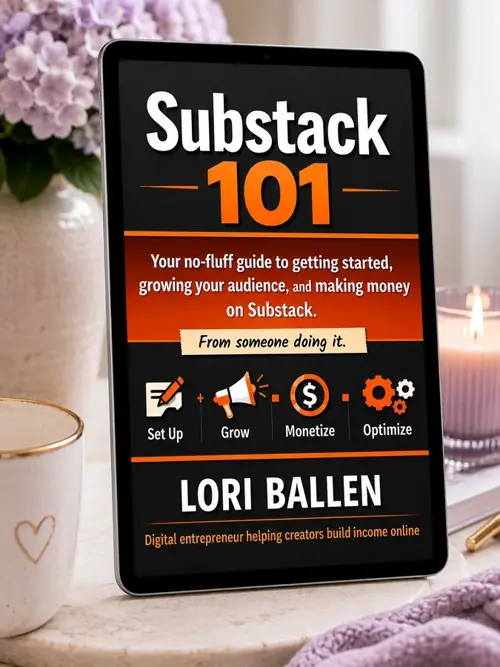
Substack 101
How I set up, write notes, place the paywall, and turn free readers into paid ones.
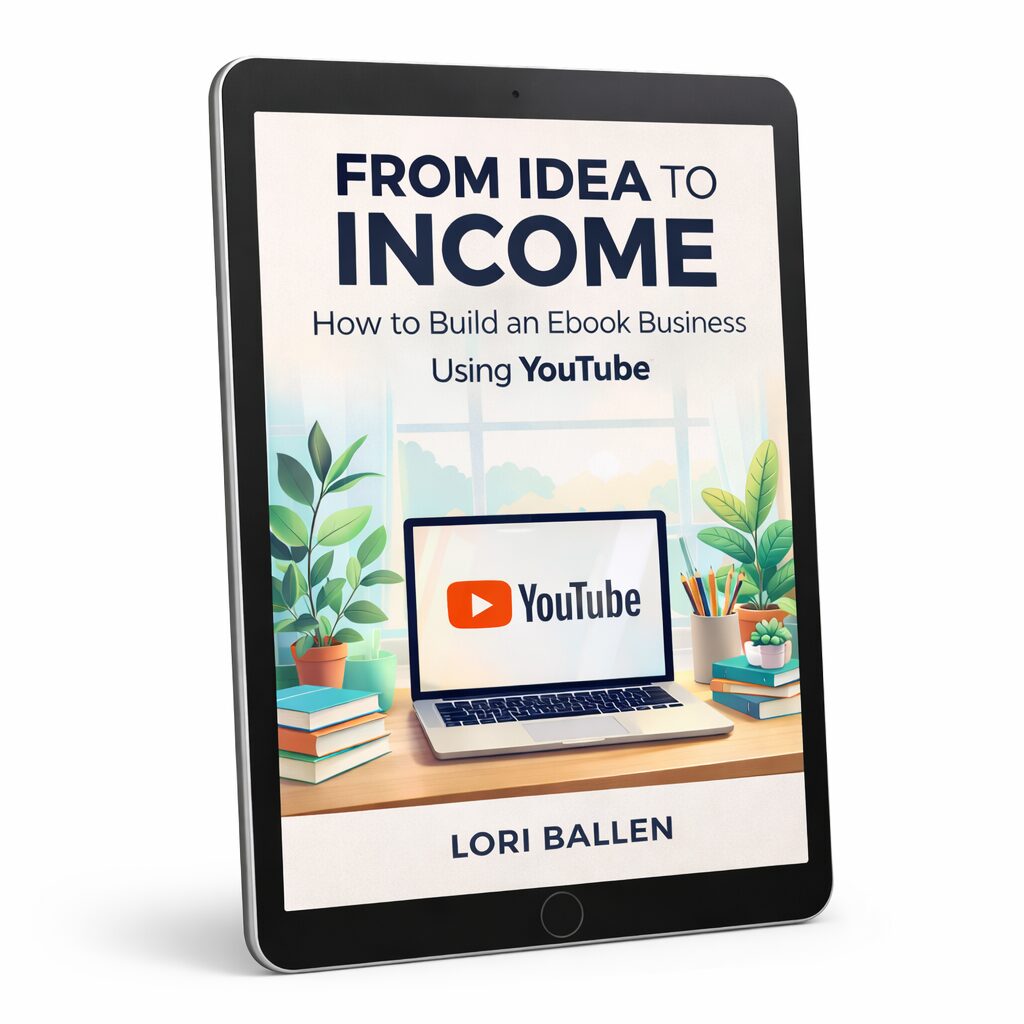
From Idea to Income
How to turn the topic you pick into a guide people buy, so your niche pays more than subscriptions.
Substack has to know who to show you to
This is the one thing I’d teach every new writer if I could only teach one.
Every note you post is a chance for Substack to show you to someone who has never heard of you. That’s the free exposure everyone talks about. But Substack can only do that if it can tell who your note is for.
Write about building a business after 50 and Substack shows it to women building businesses. Write about yogurt and bone health and it shows it to people interested in midlife health. That can still work, because it’s the same woman.
Now picture me posting about my weekend in the family tree, and how I found out I’m related to Bonnie and Clyde. Genealogy is my favorite hobby. I could talk about it all day. My readers would scroll right past it, and Substack would have no idea who to send it to next.
That’s the trap. A niche isn’t a topic you love. It’s a reader you can serve every day.
A niche is a who, not a what
When I coach, I don’t ask “what do you want to write about.” I ask “who do you want reading you every morning?” The topic comes out of that answer.
Specific beats broad, every time. “I help midlife women navigate life” describes a few thousand newsletters already. “Strength training for women in midlife, translated from the research” is a newsletter someone can recognize in one line. Same reader. Very different promise.
Can two topics live in one Substack?
Only if the same reader wants both. Tap through the three outcomes, then check the examples below.
Interests your reader already shares
My readers are women over 40 who want more freedom. They care about money, working from home, travel, and their health. I can write about any of those without losing anyone.
That’s your green zone. List the four or five things your one reader cares about, and you’ll never run out of notes.
A side topic, told through your reader’s lens
A story about an RV trip can work in a midlife freedom newsletter, if the story is about freedom. A picture of my cat works when the caption is about working from home and my coworker staring me down.
The rule: the side topic has to carry your main promise. If it can’t, leave it out.
Two topics, two different people
RV inspections and midlife reinvention are both great niches. They just aren’t the same reader. The person who buys an inspection follows RV life, not midlife freedom.
Pick one, or run two separate publications. I’ll be honest, I’ve tried running two. The second one never works like the first, and logging in and out wears you down.
| Topic pair | Same reader? | What I’d do |
|---|---|---|
| Midlife money + midlife travel | Yes | Write about both. Watch which one pulls subscribers and lean in. |
| Puppy training articles + dog tip notes | Yes | Match your notes to this week’s article. Puppy article, puppy notes. |
| Midlife freedom + an RV trip story | If you tie it | Tell it as a freedom story. The RV is the setting, not the subject. |
| Women in real estate + home buyers and sellers | No | Pick the agents. Buyers and sellers leave the second their deal closes. |
| Midlife reinvention + RV inspections | No | Pick one lane, or give each its own publication. |
| Business coaching + my genealogy hobby | No | Keep the hobby out, unless genealogy becomes the whole newsletter. |
Let AI interview you, one question at a time
This is how I find a niche with students live on my calls. AI is a better coach than you’d think, as long as you make it ask instead of tell. Here are the six questions that matter. Tap each one.
01What could you talk about for an hour without notes?The topic you’d pick even if nobody paid you.›
This is your starting pool. Don’t filter it for money yet. You’re going to post three notes a day, so it has to be something you won’t get bored of.
On one call I typed “genealogy” just to show how it works. Watch what happens to a hobby when the next five questions shape it.
02How did you get into it?Your origin story becomes your hook.›
A moment, a person, a discovery. For genealogy, it was finding a surprise in my own family tree that nobody talked about.
That’s not a fun fact. That’s the first article. People follow a story before they follow advice.
03Who do you picture reading this every day?The most important question on the list.›
Total beginners, or people already deep in it? Your answer changes every note you write.
Here’s my own confession. I love coaching people who are already on a platform and want to grow. But I mostly attract beginners, because most of my content introduces things. If you want the further-along reader, your messaging has to say so. “If you already have a thousand subscribers and haven’t monetized your list, this is for you.”
For genealogy, I picked the middle. Has a tree, has a DNA test, needs help going further.
04Where do they get stuck most often?“I don’t know” is a perfectly good answer.›
I typed “I don’t know” on purpose. It didn’t stall. It told me where people in the middle usually get stuck: brick walls, DNA match overload, and missing records.
That’s your reader’s problem list. Every item is a month of notes.
05What do you want this Substack to do for you?Community, income, a course, or all of it later.›
Be honest. My answer for the example was “eventually monetize it, but first I want community because I love the topic.” That’s a fine answer.
It also sets your rhythm. My answer for anyone serious: three notes a day and one article a week. More if you want to test. Not less.
06What makes your take different?Where your niche actually gets born.›
This is the hard one, so I said “I don’t know, help me.” It came back with an angle I never would have found on my own: the Brick Wall Club. Learn in public. Work one stuck ancestor at a time. Readers send in their dead ends and we work them together.
Notice what happened. A broad hobby became one reader, one problem, and one promise. That’s a niche. And you don’t have to be the expert. People will pay to follow your non-expertise when you document it honestly.
The niche interview prompt
Paste this into Claude, ChatGPT, or whatever AI you like. Answer honestly. Say “I don’t know” when you don’t.
Pretend you don’t know me. I’m starting a new Substack and I need help finding my niche.
Interview me one question at a time. Wait for my answer before you ask the next one.
Help me figure out: what I could talk about every day, who I picture reading it, where that reader gets stuck, what I want the Substack to do for me, and what makes my take different from everyone else in this space.
When we’re done, give me a one-line description of my reader, a publication name idea, and three angles I could own.
The words “one question at a time” do the heavy lifting. Without them, AI dumps a generic list on you.
Find three models before you commit
A niche you love with no readers is a diary. Check before you build.
Go to Substack and click Explore. If your topic has a category up top, there’s a niche for it. Then type your topic into the search bar. Grandparenting. Pickleball. Full-time RV. Dogs.
You’re looking for publications in your lane with real subscriber counts. When I searched dogs, I found newsletters with tens of thousands of readers. Every one of them had an angle. Personal essays from someone who works with dogs. Kids’ books made from photos of the writer’s dogs. Nobody was winning with “look at my cute dog.”
Then click into a few and check one more thing. Are they still posting notes? A big subscriber count on a publication that went quiet tells you people came, then left.
My rule is simple. If you can’t find three people making your niche work on Substack, don’t build it on Substack. Find three, study how they write, and borrow the patterns. Never the words.
Train your AI on your notes formula
AI is great at pulling a niche out of you. It’s not great at knowing how a good note looks. You have to teach it once.
The notes formula prompt
Use this right after your niche interview, in the same chat, so it already knows your reader.
Write me 3 Substack notes per day for 7 days for the niche we just found.
Rules: no more than 250 characters each. One sentence per line, with a blank line between lines. Open with a hook. The last line is the big takeaway, and it’s bold.
Every note has to speak to the reader we described. No generic motivation.
Edit every note before you post it. If a note needs a “See more” click, it’s too long.
For the genealogy example, the first note it wrote was this. Your ancestor’s marriage record has a hidden clue. Look at the witnesses. They were often siblings, cousins, or parents. Then the bold closer: your brick wall might be standing right there in the margin.
That’s on topic, it’s useful, and it makes the right reader stop scrolling. That’s the whole job of a note.
Then ask AI for your first article. Same niche, same reader. Have it interview you so the story is yours, and put the paywall about 60% of the way down with something worth paying for after it.
Find your niche in seven days
Check each one off as you go.
Want me to look at your niche? Post it inside Substack Skool and I’ll give you feedback.
Five niche mistakes I fix on almost every call
Two audiences, one publication
Writing for women agents one day and home buyers the next. Substack can’t tell who you’re for, so it shows you to no one.
Fix: pick the reader you want for years, not one transaction.
Saying “midlife” when you don’t need to
You attract who you are. If you’re midlife, your readers will be too. Labeling it adds a second niche you didn’t mean to choose.
Fix: lead with your real topic. Let your age show up in your stories.
Too broad to recognize
“I help midlife women live their best years” sounds like a thousand other bios.
Fix: name the one thing you help her do.
Cute posts that grow nothing
A puppy photo gets likes. It almost never gets subscribers, because it doesn’t say what you’re about.
Fix: if you post the puppy, tie the caption to your niche.
Articles that read like ads
A post that looks like a recruiting pitch or a blog SEO article breaks the trust your notes built.
Fix: every article is a story your reader sees herself in.
“If there’s no crossover in who wants to read it, you can’t write about both.”Lori Ballen
Substack niche: the real answers
Do you need a niche on Substack?
You need a reader. Substack shows your notes to people it thinks will care, and it figures that out from what you post. If your posts jump between audiences, it can’t place you, and growth stalls.
Can I write about more than one topic on Substack?
Yes, if the same reader wants all of them. Money, travel, and health can live together for one reader. Two topics that attract two different people belong in two publications, or one of them goes.
How do I find a Substack niche if I have too many interests?
Run the AI interview above, then the same-reader test. If you still can’t choose, post notes on your top three interests for a few weeks and watch which one brings subscribers. Your readers will pick for you.
How do I know if my niche has an audience on Substack?
Search it in Substack Explore. Look for at least three publications in your lane with real subscriber counts that are still posting. If you can’t find three, Substack probably isn’t the right platform for that niche.
What are good Substack niches?
The ones with a clear reader and a clear promise. Personal finance, creator business, travel, health, parenting, writing, and personal growth all have big categories. The publications that win inside them have a specific angle, not just the broad topic.
Should a Substack name match the niche?
Usually, yes. Your profile can be your name. Your publication should say what it’s about. If my newsletter were about genealogy brick walls, I’d call it The Brick Wall Club, not Lori Ballen.
What should I write about every day on Substack?
Whatever your reader is stuck on, in short notes. Match your notes to that week’s article. If the article is about training a puppy, the notes that week are about training a puppy. Three a day is my number.
Can I change a Substack niche later?
Yes. Mine shifted after I started. I thought I’d write about making money on Pinterest, and my readers wanted the story of starting over. Start with your best guess, then follow what your readers respond to.
Where can I get help picking a Substack niche?
Inside Substack Skool. Post your niche idea and your reader in one sentence, and I’ll give you feedback. We also work through real publications on our monthly live calls.
See a niche in action
My Substack is free to follow. Read my notes and you’ll see the same-reader test in every post: one reader, a few things she cares about, and nothing that wanders off.
Read my Substack →More on building your Substack
Pick your reader this week. Then write for her every day.
Want more field notes like this? Get Letters from Lori.
Hey there! Just a quick heads-up: some of the links on this site are affiliate links, meaning I may earn a small commission if you make a purchase (including through the Amazon Associates program), at no extra cost to you. Occasionally, products featured here are gifted by brands.
I also use AI tools to help research and create content for you! While I love sharing strategies to help you succeed, please remember that everyone's journey is unique—individual results vary, and there are no guarantees. Thanks so much for stopping by!
