This page contains affiliate links. If you click through and sign up or buy, I may earn a commission at no extra cost to you. I only recommend tools I actually use.
How to Start a Skool Community and Actually Make Money
I don’t send my coaching clients to a platform until I’ve built on it myself. So I set up a paid Skool community from scratch, on camera, pricing tiers and all. Then I launched my own. Here’s the exact order I’d do it in if I were starting today.
The two guides I’d read before building
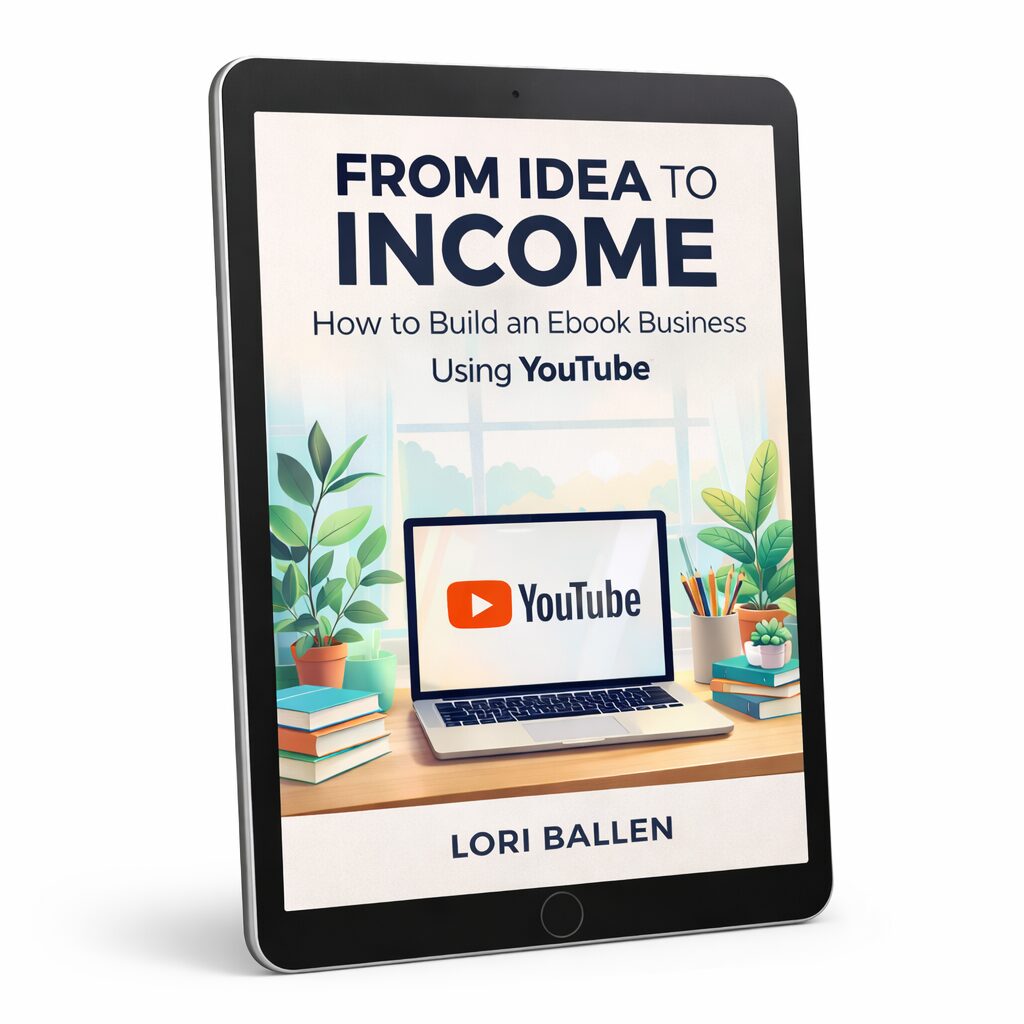
From Idea to Income
How I take a raw idea, like a brand new paid community, and turn it into an offer people pay for.
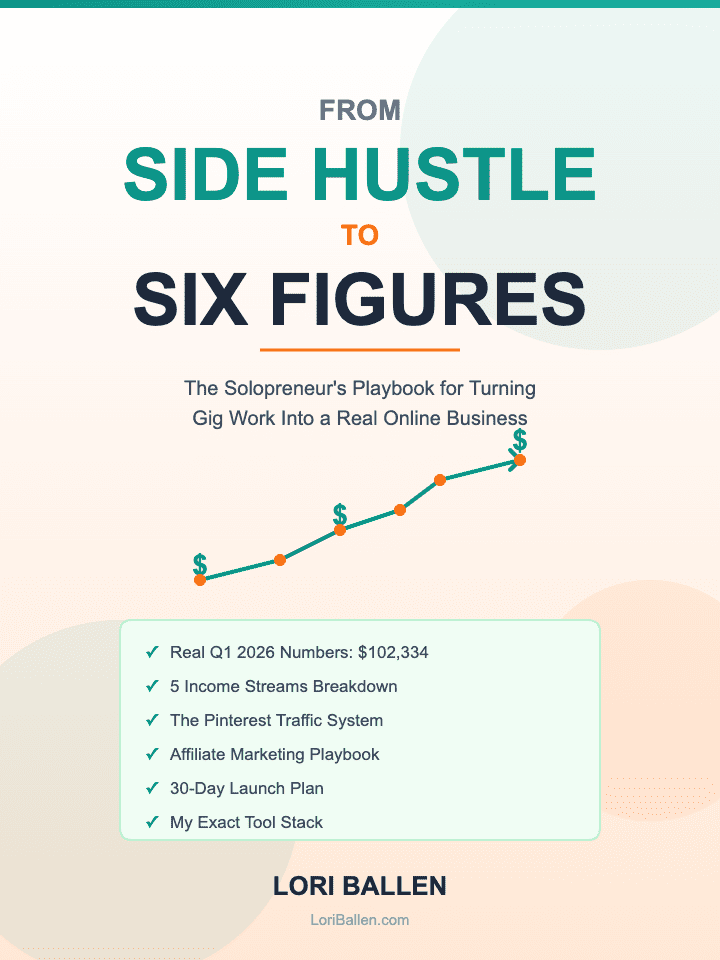
Side Hustle to Six Figures
How a paid community fits into a one-person business with more than one income stream.
I tried it before I ever recommended it
For years I stitched a business together from a website, a Facebook group, a course tool, and a Zoom link. Four logins. Four bills. Members lost in between.
Skool puts all of it in one place. Your community feed, your courses, your live calls, and your payments live under one membership and one link.
So I tested it the way I test everything. I signed up, built a paid community live on camera, and wrote down every step. Then I built Substack SKOOL, my own community for Substack creators, on the same platform.
Here’s what I learned. Most people get stuck on the tech. The tech is the easy part. The hard part is deciding who it’s for and what they get. So that’s where we start.
How to start a Skool community in 7 steps
This is the order I actually worked through. Check each one off as you go.
Skool is where I built mine
You get 14 days free before you pay anything. That’s plenty of time to do steps 1 through 6.
Start My Free Skool Trial →Affiliate link. If you sign up I may earn a commission at no extra cost to you.
Hobby or Pro? Here’s the math
Skool has two plans with the same features. The only real difference is how much of each sale Skool keeps. Tap each plan.
$9 a month, 10% transaction fee
Unlimited members, courses, videos, and live calls. Custom URL. Mobile apps. The built-in affiliate tools.
Skool takes 10% of anything you sell. When you’re small, that’s the cheapest way in.
$99 a month, 2.9% transaction fee
The same features as Hobby. You’re not paying to unlock anything. You’re paying to keep more of your own sales.
Once your monthly sales get big enough, the lower fee pays for the higher price.
About $1,268 a month in sales
Pro costs $90 more. It saves you 7.1 cents on every dollar you sell. $90 divided by 0.071 is about $1,268.
Under that, Hobby wins. Over that, Pro wins. Run your own number below.
Hobby saves you $55 a month.
Plan price plus Skool’s transaction fee. Card processing may add a little on top.
4 ways to make money on Skool
A free community by itself is a hobby. Here’s how Skool communities actually turn into income. Tap each one.
01A paid monthly membershipThe simplest model. One price, one door.›
Members pay monthly or yearly for your community, your courses, and your calls.
It’s the easiest to set up. The catch is that people have to trust you enough to commit monthly before they’ve seen results. That’s why the next one matters.
02A paid challenge in the middleThe product that does the selling.›
Free community up top. A paid challenge every 6 to 8 weeks with a real start date and finish line. Then a monthly membership for the people who finish.
A challenge has urgency and a clear result, so it converts better than a sales page. Free-only groups often convert 2 to 5% to paid. Put a challenge in the middle and that tends to climb.
I broke this whole model down in the community model that actually converts.
03Skool’s own affiliate program40% of the subscription, for life.›
When someone starts a Skool group from your referral, Skool pays you 40% of their monthly subscription fee for as long as they stay.
Here’s the part most people miss. If a member of your group starts their own group, Skool attributes it to you automatically. Teach people how to build communities and this one stacks up quietly.
04Let your members sell for youBuilt-in referrals for your own community.›
Skool has a member affiliate feature on both plans. Your members can share your paid community and earn a commission when someone joins.
Happy members are your best marketing. This just pays them for doing what they’d do anyway.
Skool community ideas that fit real life
The best ideas come from something you’ve already done the hard way. A few that work:
“The tech is the easy part. Deciding who it’s for and what they get is the whole job.”Lori Ballen
Starting a Skool community: straight answers
How do I start a Skool community?
Sign up for Skool’s 14-day free trial, name your group, and pick one clear outcome it helps people reach. Set your price tiers, write your About page, add your first lesson and welcome post, then invite your first members by hand.
Is there a Skool free trial?
Yes. Skool gives you 14 days free on either plan. That’s enough time to build your group, set your prices, and post your first lesson before you pay.
Can I create a Skool community for free?
You can build it free during the 14-day trial. After that the cheapest plan is Hobby at $9 a month. Your community itself can still be free for members to join.
How much does Skool cost?
Hobby is $9 a month with a 10% transaction fee. Pro is $99 a month with a 2.9% fee. Both include unlimited members, courses, and calls. Full breakdown on my Skool pricing page.
How do you make money on Skool?
Charge for a membership, run paid challenges, earn 40% recurring from Skool’s affiliate program when people you refer start their own groups, and let your members earn by referring others to your community.
What is the Skool affiliate program?
Skool pays affiliates 40% of a referred group’s monthly subscription fee for life. If someone creates a group from inside your group, Skool credits it to you automatically.
Is Skool legit?
Yes. It was founded by Sam Ovens, with Alex Hormozi as a well-known backer. I built a paid community on it on camera and run my own there. My honest take is in my Skool review.
More on Skool
Stop planning. Start building.
Want to see a real one? Peek inside Substack SKOOL, or get Letters from Lori for more field notes.
Hey there! Just a quick heads-up: some of the links on this site are affiliate links, meaning I may earn a small commission if you make a purchase (including through the Amazon Associates program), at no extra cost to you. Occasionally, products featured here are gifted by brands.
I also use AI tools to help research and create content for you! While I love sharing strategies to help you succeed, please remember that everyone's journey is unique—individual results vary, and there are no guarantees. Thanks so much for stopping by!
