Stop overthinking Pinterest. It’s a search engine, not a beauty contest.
Most creators burn their Pinterest time tweaking fonts and second-guessing colors. Pinterest doesn’t care about your aesthetic — it cares about your keywords. Here’s the simple, repeatable workflow I actually use.
What actually moves Pinterest traffic
It’s a search engine
People come with a question and type a keyword. Pinterest serves the most relevant result. Your job is to be that result — not the prettiest pin.
Keywords over aesthetics
Fonts and color palettes don’t move traffic. Keywords aligned to what people actually search do. That’s the whole game.
One repeatable process
Pick a keyword cluster, build a post, make a few pins, schedule, move on. No reinventing the wheel every week.
Let it compound
Consistency builds the algorithm’s trust. Most people quit before it compounds. The ones who don’t drive steady traffic.
Five steps, repeated every week
This is the entire process. It doesn’t require a design degree or posting twenty times a day — just a repeatable system.
Find the keyword
Pull real Pinterest search data so you can see exactly what people type and what’s trending. Pick one keyword cluster.
Build one post
Create a single blog post that answers that cluster. One clear topic, one URL.
Make a few pins
Three to five pins with different headlines, all pointing to the same URL. Lead with what the reader gets, not what the post is about.
Schedule and walk away
Batch a month of pins at once and schedule them. Let the tool post at the best times. No daily logging in, no manual pinning.
Check the clicks
Once a month, look at outbound clicks. Duplicate the angles that earn clicks; retest the ones that don’t. The account gets sharper on real data.
“Pinterest doesn’t care about your aesthetic. It cares about your keywords.“— Lori Ballen
Want the exact keyword-to-traffic system?
That’s what I teach inside Ballen Academy — the repeatable Pinterest workflow, the keyword research process, and the content strategy I run every week. Real systems, live, no fluff.
Join group coaching →The tools I use
Some of the links below are affiliate links — if you sign up or buy through them I may earn a commission at no extra cost to you. I only ever share tools I actually use.
Pinclicks
Real Pinterest search data so I stop guessing at keywords — what people type, the competition, and what’s trending now.
Ideogram
Generates tall vertical pin images in the format Pinterest favors — I add the text overlay in Canva.
Tailwind
Batch a month of pins and let it schedule everything at the best times for your audience. No daily logging in.
The Pinterest Traffic Guide — free workflow
The simple, repeatable workflow I use to turn keywords into steady Pinterest traffic — no daily posting, no design degree. Grab the free step-by-step.
The playbooks behind the workflow
Pinterest on Purpose
The no-fluff system for Pinterest traffic and passive income — keywords, pins, and a repeatable routine.
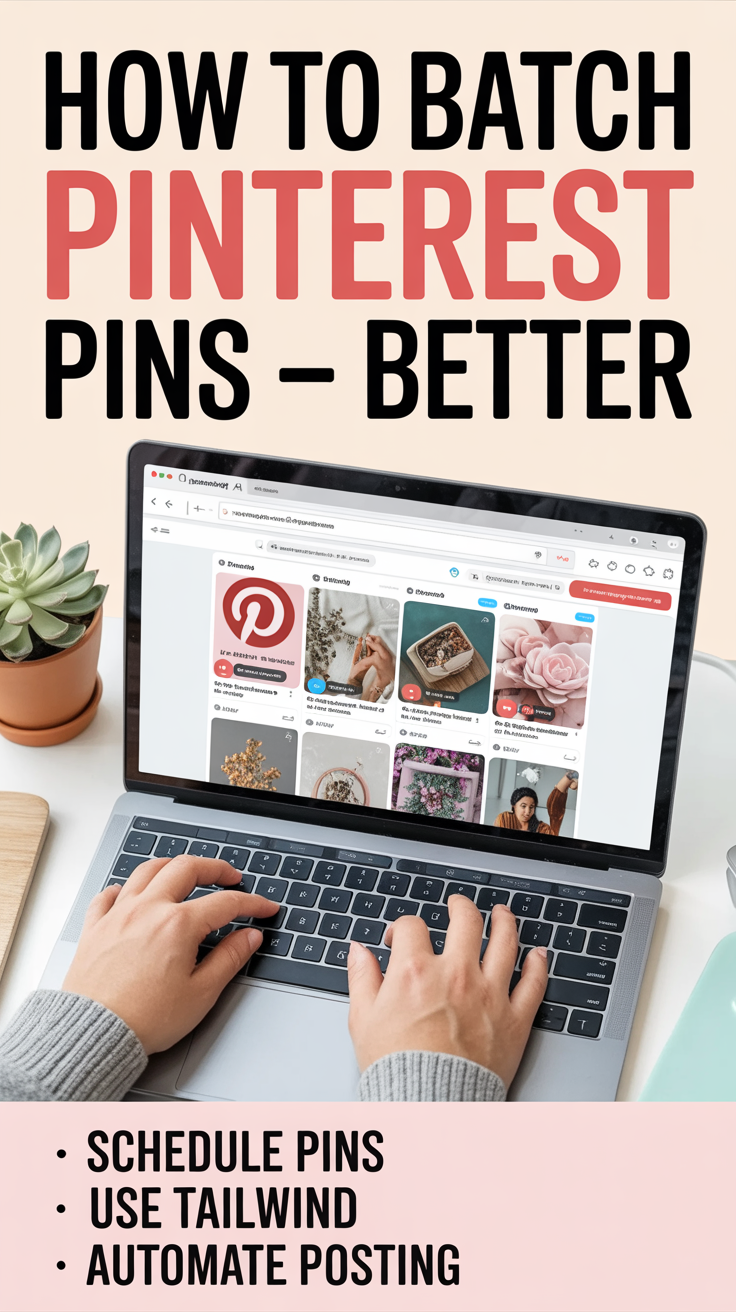
Batch 30 Days of Pins
Make a month of pins in one sitting and schedule them, so your account stays active while you focus elsewhere.
Stop tweaking fonts. Start driving traffic.
Join group coaching at Ballen Academy →Not ready to coach yet? Get Letters from Lori — my field notes on building a business that earns for the long haul.
Hey there! Just a quick heads-up: some of the links on this site are affiliate links, meaning I may earn a small commission if you make a purchase (including through the Amazon Associates program), at no extra cost to you. Occasionally, products featured here are gifted by brands.
I also use AI tools to help research and create content for you! While I love sharing strategies to help you succeed, please remember that everyone's journey is unique—individual results vary, and there are no guarantees. Thanks so much for stopping by!


