
This website contains affiliate links. Some products are gifted by the brand. As an Amazon Associate, I earn from qualifying purchases. The content on this website was created with the help of AI.
While I share money-making strategies, nothing is "typical", and outcomes are based on each individual. There are no guarantees.
In today’s fast world, saving money can be tough. But don’t worry, we’ve got you covered. This guide offers smart ways to save hundreds on daily costs. We’ll show you how to budget better, cut down on bills, and save on transportation.
Key Takeaways
- Develop a realistic budget to track your spending habits
- Identify and cut down on unnecessary expenses
- Implement energy-efficient home improvements to slash utility bills
- Leverage coupons, discounts, and loyalty programs to maximize savings
- Explore cost-effective transportation options like carpooling and public transit
Mastering the Art of Budgeting
Effective budgeting is key to saving money. It helps you pay off debt, save for big things, or control your money better. Learning to budget well is a big first step.
Creating a Realistic Budget
A good budget matches your income and expenses. First, track how much money you make. Then, sort your spending into fixed (like rent) and variable (like food) costs. This makes a budget that fits your life.
Tracking Your Spending Habits
Keeping an eye on your spending is crucial. Use apps, spreadsheets, or even paper to track your money. This shows where you can save over time.
Budgeting is a continuous effort, not just a one-time thing. Regularly check and tweak your budget to meet your financial goals.
“A budget is telling your money where to go instead of wondering where it went.”
Cut Down on Unnecessary Expenses
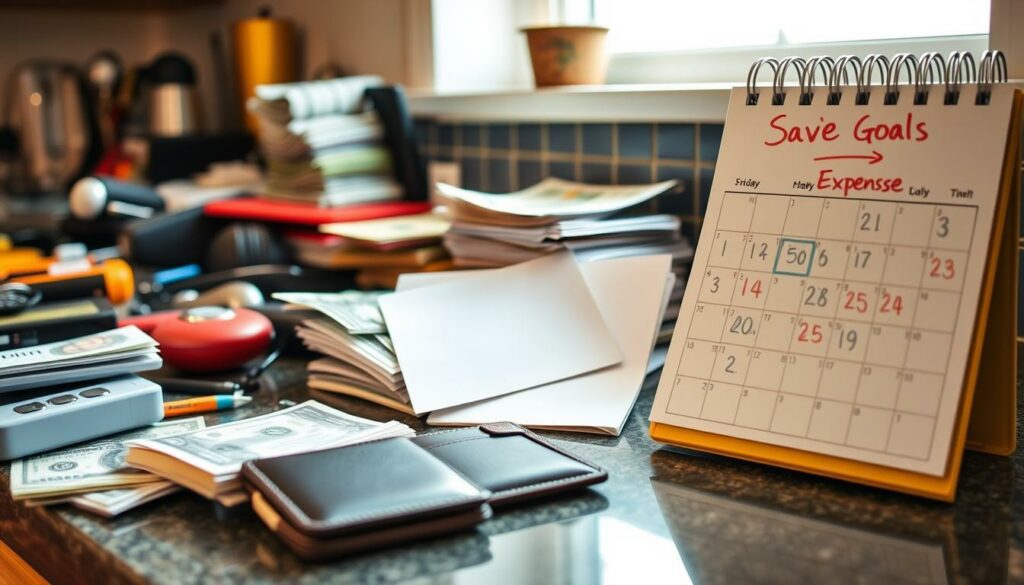
Finding and cutting unnecessary spending is key to saving money. By looking closely at your spending, you can find ways to save. This section will show you how to reduce expenses and cut costs without losing out on life’s joys.
Start by checking your subscriptions and memberships. Things like streaming services and gym memberships can cost a lot. Think about if each one is worth the money. If not, cancel or lower your plan to save money.
Also, watch out for impulse buys. Before buying something, ask if it’s really needed. Try waiting 24 or 48 hours before buying. This can help you avoid spending on things you don’t really need.
| Expense | Potential Savings |
|---|---|
| Subscription Services | $50 – $100 per month |
| Dining Out | $100 – $200 per month |
| Unused Gym Membership | $40 – $80 per month |
By using these tips and watching your spending, you can save a lot. Every dollar you save brings you closer to your financial dreams.
Slash Your Utility Bills
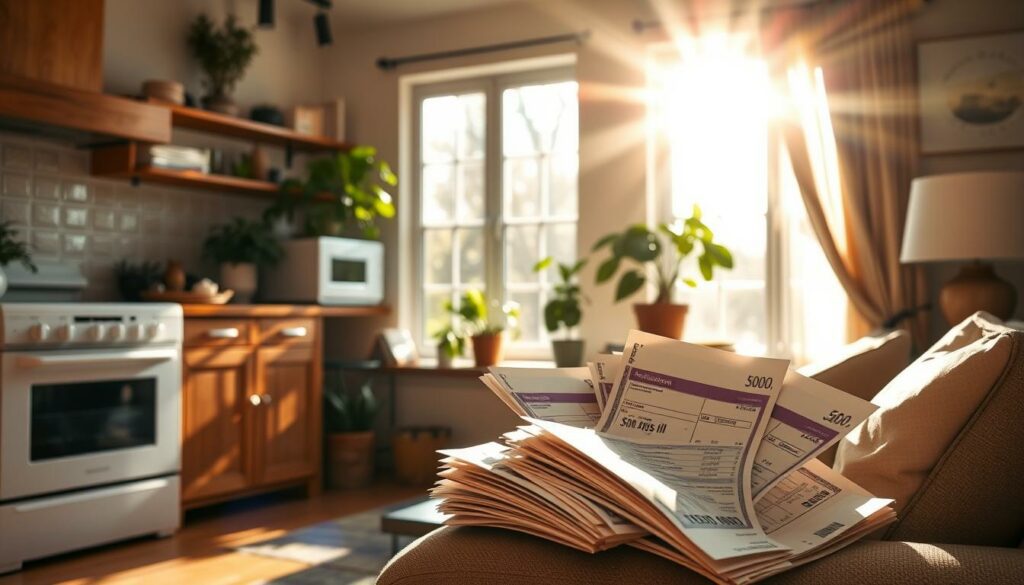
Utility bills can be a big financial strain. But, there are ways to cut down on these costs. By making your home more energy-efficient and negotiating with service providers, you can save a lot. This frees up money for other important things.
Energy-Efficient Home Improvements
Upgrading your home to be more energy-efficient can really help lower your bills. Here are some improvements to consider:
- Upgrade to energy-efficient windows and doors to reduce heat loss and gain.
- Install programmable thermostats to optimize heating and cooling based on your schedule.
- Upgrade your insulation to keep your home better insulated and reduce energy consumption.
- Replace old, inefficient appliances with Energy Star-certified models to lower your electricity usage.
Negotiating Better Rates
You can also save by negotiating better rates with your service providers. Here are some tips to get you started:
- Research and compare rates from multiple providers to find the best deals.
- Leverage your loyalty and on-time payment history to negotiate a lower rate.
- Ask about any available discounts or promotional offers that could lower your bills.
- Be willing to switch providers if your current company is unwilling to offer a competitive rate.
| Utility Type | Average Monthly Cost | Potential Savings |
|---|---|---|
| Electricity | $120 | Up to 30% |
| Natural Gas | $50 | Up to 20% |
| Water | $40 | Up to 15% |
By combining energy-efficient home improvements and smart negotiations, you can significantly cut your monthly expenses. This boosts your overall utility bill savings.
Maximize Your Grocery Savings
Grocery expenses can quickly add up. But, with the right strategies, you can cut your spending at the supermarket. This section will share practical tips to help you save money without sacrificing quality.
Meal Planning and Prepping
Planning your meals in advance is a great way to save on groceries. By creating a weekly or monthly meal plan, you can make a more informed shopping list. This helps you avoid impulse purchases.
Meal prepping, where you prepare meal components ahead of time, can also save you money. It reduces food waste and saves time.
- Develop a weekly or monthly meal plan based on your family’s preferences and schedule
- Prepare ingredients or entire meals in advance to save time and reduce the temptation to order takeout
- Utilize leftovers and batch cooking to get the most out of your grocery haul
Take Advantage of Sales and Discounts
Being mindful of sales, coupons, and discounts can lower your grocery bill. Keep an eye out for weekly flyers, digital coupons, and loyalty programs. These can help you save on the items you regularly purchase.
- Check store circulars and apps for sales, coupons, and loyalty program offers
- Stock up on non-perishable items when they’re on sale to save money in the long run
- Consider purchasing store-brand or generic products, which can be significantly cheaper than name brands
By using these grocery savings, meal planning, and meal prepping tactics, you can food budgeting and reduce your overall spending on food. Start small and experiment to find the strategies that work best for your household.

save hundreds with Coupons and Discounts
Coupons and discounts can save you hundreds of dollars. They work on many products and services. Learning to use them well can stretch your budget and save you a lot.
Looking online is a great way to find coupons. Many retailers and brands offer digital coupons. These can be used in-store or online. Look for exclusive deals and promo codes for extra savings.
- Check major coupon sites like Coupons.com, RetailMeNot, and Groupon for the latest discounts.
- Follow your favorite brands and retailers on social media, as they often share exclusive coupons and deals with their followers.
- Download the mobile apps of your go-to stores to receive push notifications about special offers and sales.
Loyalty programs and rewards cards are also great for saving. Many retailers have their own programs. These offer discounts, points, or cash back on your purchases. By joining and using these programs, you can save a lot over time.
| Retailer | Loyalty Program | Savings |
|---|---|---|
| Target | Target Circle | Up to 1% cash back on all purchases |
| Walgreens | Balance Rewards | Points earned for every purchase, redeemable for discounts |
| Kohl’s | Kohl’s Rewards | 15% off Kohl’s Cash for every $50 spent |
To get the most from coupons and discounts, be diligent and strategic. Spend time researching and planning. This way, you’ll save hundreds on your daily buys.

Reduce Transportation Costs
Transportation costs can add up fast. This includes owning a car or daily commute expenses. Luckily, there are smart ways to cut these costs and save hundreds each year.
Carpooling and Public Transportation
One smart move is to try carpooling and public transport. Sharing rides or using buses, trains, or subways can lower your commuting costs. It also means less fuel, car upkeep, and insurance costs.
- Start a carpool with coworkers who live close by. Split the gas and parking costs.
- Look into your area’s public transport like buses, trains, or subways. Use passes or monthly fees for discounts.
- Adjust your work hours to avoid rush hour. This can save you money on transportation savings.
| Transportation Option | Average Monthly Cost | Potential Savings |
|---|---|---|
| Owning a Vehicle | $500-$800 | – |
| Carpooling | $200-$400 | Up to 50% compared to owning a vehicle |
| Public Transportation | $50-$150 | Up to 75% compared to owning a vehicle |
Using carpooling and public transportation can save you a lot. It helps you save money for other financial goals.
Refinance High-Interest Debts
High-interest debts can make it hard to save money and feel financially stable. But, there’s a way to lower your monthly payments and interest charges. This is through debt refinancing. By using the equity in your home, you can merge your high-interest debts into one, lower-interest loan. This can save you hundreds of dollars.
Understanding Debt Consolidation
Debt consolidation means combining several debts, like credit card balances and personal loans, into one. This can be done through a cash-out refinance, a home equity line of credit (HELOC), or a home equity loan (HELOAN).
By doing this, you get lower interest rates, easier payment plans, and better credit scores. This can make you feel more financially secure and help you save more.
But, there are downsides to consider before choosing debt consolidation. These include higher monthly mortgage payments, a longer commitment, more mortgage interest, losing tax benefits, and closing costs. It’s key to think about these carefully to see if it’s right for you.
| Pros of Debt Consolidation | Cons of Debt Consolidation |
|---|---|
|
|
“Consolidating your high-interest debts can be a game-changer in your financial journey, but it’s crucial to carefully consider the potential pros and cons before making a decision.”
Embrace a Minimalist Lifestyle
Choosing a minimalist lifestyle can save you hundreds of dollars. It’s about living intentionally, focusing on experiences over stuff. You think carefully before buying anything.
At the heart of minimalism is decluttering. Getting rid of things you don’t need frees up space and saves money. It makes your home tidy and peaceful. Plus, you might even make some cash by selling what you no longer want.
- Evaluate your possessions and let go of items you no longer need or use.
- Sell or donate unwanted items to declutter your home and earn extra cash.
- Avoid impulse purchases and practice intentional spending by considering the true value and necessity of each item before buying.
Minimalism also makes you more aware of your spending. Instead of buying things, you focus on experiences. This could be traveling, learning new things, or enjoying hobbies. It’s a way to save money and find happiness.
“The best things in life aren’t things.” – Art Buchwald
By living a minimalist lifestyle, you simplify your life and save money. It’s a big change that can make you happier and wealthier.
Invest in Money-Saving Skills
Learning money-saving skills like DIY projects and home repairs can save you a lot of money. By spending time to learn new skills, you can skip expensive professional services. This way, you can keep your home or belongings at a lower cost.
DIY Projects and Repairs
There are many DIY projects and home repairs you can do with the right tools and knowledge. Taking on these tasks yourself can save you a lot of money compared to hiring someone else. Online tutorials, workshops, and communities are great resources to learn these skills.
Want to make your living space better, fix a leaky faucet, or learn car maintenance? Embracing DIY can change your financial game. With dedication and the right help, you can become self-sufficient. You’ll be able to handle many tasks without spending a lot.
FAQ
What is the purpose of this comprehensive guide on saving money?
This guide aims to help you save money on daily expenses. It covers budgeting, reducing utility bills, and cutting transportation costs. You’ll learn how to keep more money in your pocket.
How can creating a realistic budget help me save money?
A good budget is key to saving money. This guide will show you how to make a budget that fits your income and expenses. You’ll also learn to track your spending to find ways to save more.
What are some ways to cut down on unnecessary expenses?
Cutting unnecessary expenses is crucial for saving money. This guide will teach you how to avoid impulse buys and renegotiate subscriptions. You’ll learn to spend less on things you don’t need.
How can I reduce my utility bills?
High utility bills can drain your budget. This guide will give you tips on making your home energy-efficient. You’ll also learn how to negotiate better rates with service providers.
What strategies can I use to maximize my grocery savings?
Saving on groceries is easy with the right strategies. This guide will show you how to plan meals, prep food, and find sales. You’ll learn to save on food without sacrificing quality.
Where can I find coupons and discounts to save hundreds of dollars?
Coupons and discounts can save you a lot of money. This guide will help you find these deals and use them effectively. You’ll learn how to save on various products and services.
How can I reduce my transportation costs?
Transportation costs can add up quickly. This guide will offer tips on saving money on transportation. You’ll learn about carpooling and using public transport.
What are the benefits of refinancing high-interest debts?
High-interest debts can hinder your savings. This guide will explain how to refinance your debts. You’ll learn how to consolidate and lower your payments, saving hundreds of dollars.
How can adopting a minimalist lifestyle help me save money?
Minimalism can save you a lot of money. This guide will introduce you to minimalist principles. You’ll see how living with fewer possessions can lead to significant savings.
What money-saving skills can I develop to save hundreds of dollars?
Learning DIY skills can save you money. This guide will offer tips on DIY projects and home repairs. You’ll learn to avoid expensive services and maintain your home affordably.